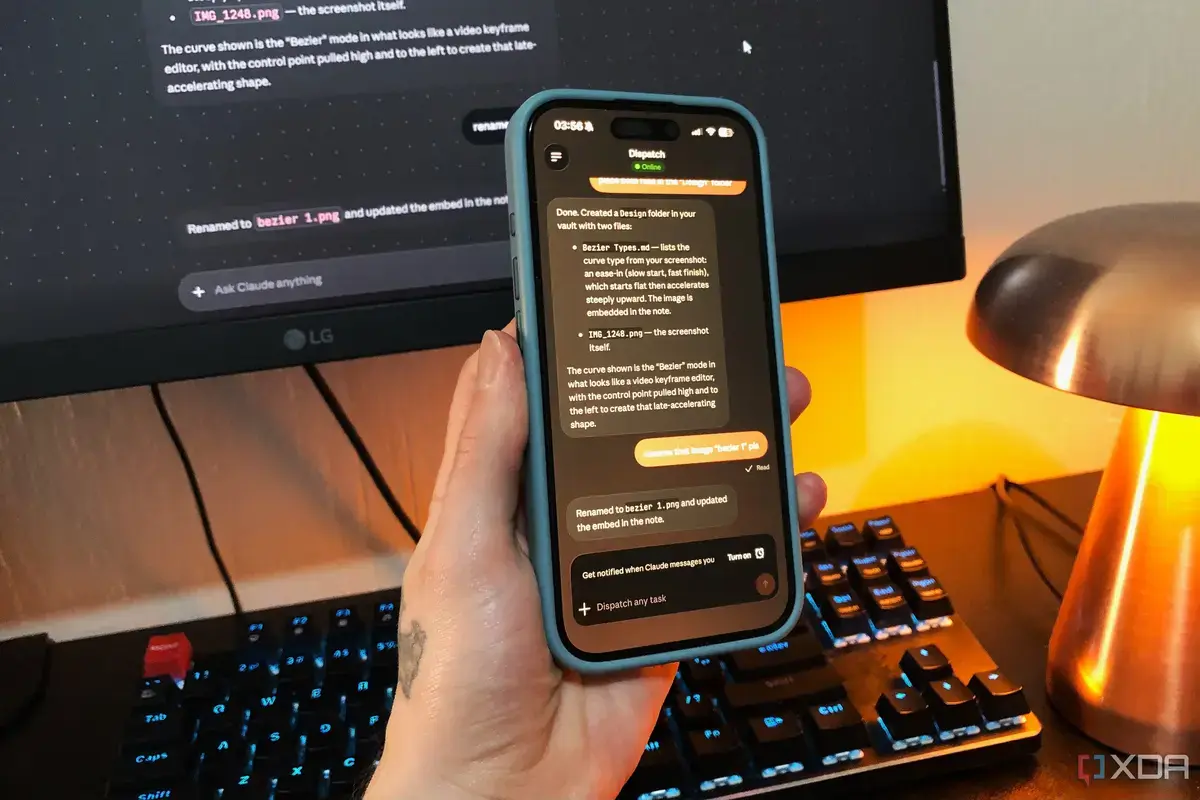
The Power of Delegated AI Tasks
A new method for using AI has emerged, promising to revolutionize how people work. This technique involves an AI agent creating smaller, specialized sub-agents. This approach, now officially recommended by Anthropic, significantly changes productivity.
Breaking news
 Canonical’s Web Presence Hit by Second DDoS Assault This Year
 Loops AI Secures $3.5 Million to Power a New AI Operating System for E‑Commerce
 Winverse AI Secures Tens of Millions in Seed Funding from DeepSeek and Long‑Z
 Google Adds Pixel 9 Series to Certified Refurbished Store
The strategy focuses on breaking down complex tasks. The main AI agent delegates specific parts to these newly generated sub-agents. This allows for more focused and efficient problem-solving.
This sub-agent spawningtechnique is gaining traction among power users. It moves beyond simple prompt engineering. Instead, it creates a hierarchical structure for AI collaboration. Each sub-agent tackles a distinct part of the overall problem.
How Does This Improve Efficiency?
For example, a main agent might receive a broad request. It then generates sub-agents to research, analyze, and draft different sections. This parallel processing speeds up project completion. It also ensures a more thorough output.
This method enhances efficiency by streamlining complex workflows. It allows for a more organized and modular approach to AI use. The main agent acts as an orchestrator, ensuring all parts come together. This reduces the cognitive load on the user. It also minimizes the need for constant human intervention.
The ability for AI to self-organize and delegate is a major leap. It transforms how users interact with powerful AI models. This new paradigm could redefine productivity tools. It offers a glimpse into the future of human-AI collaboration.
Frequently Asked Questions
What is sub-agent spawning? It is an AI technique where a primary AI agent creates smaller, specialized AI agents. These sub-agents then handle specific parts of a larger task, working in parallel.
How does it differ from traditional AI prompting? Traditional prompting typically involves a single interaction with an AI. Sub-agent spawning creates a multi-layered, delegated workflow. This allows for more complex and structured problem-solving.
What are the main benefits of this approach? The primary benefits include increased efficiency, better organization of complex tasks, and more thorough outputs. It also reduces the need for constant direct human oversight.