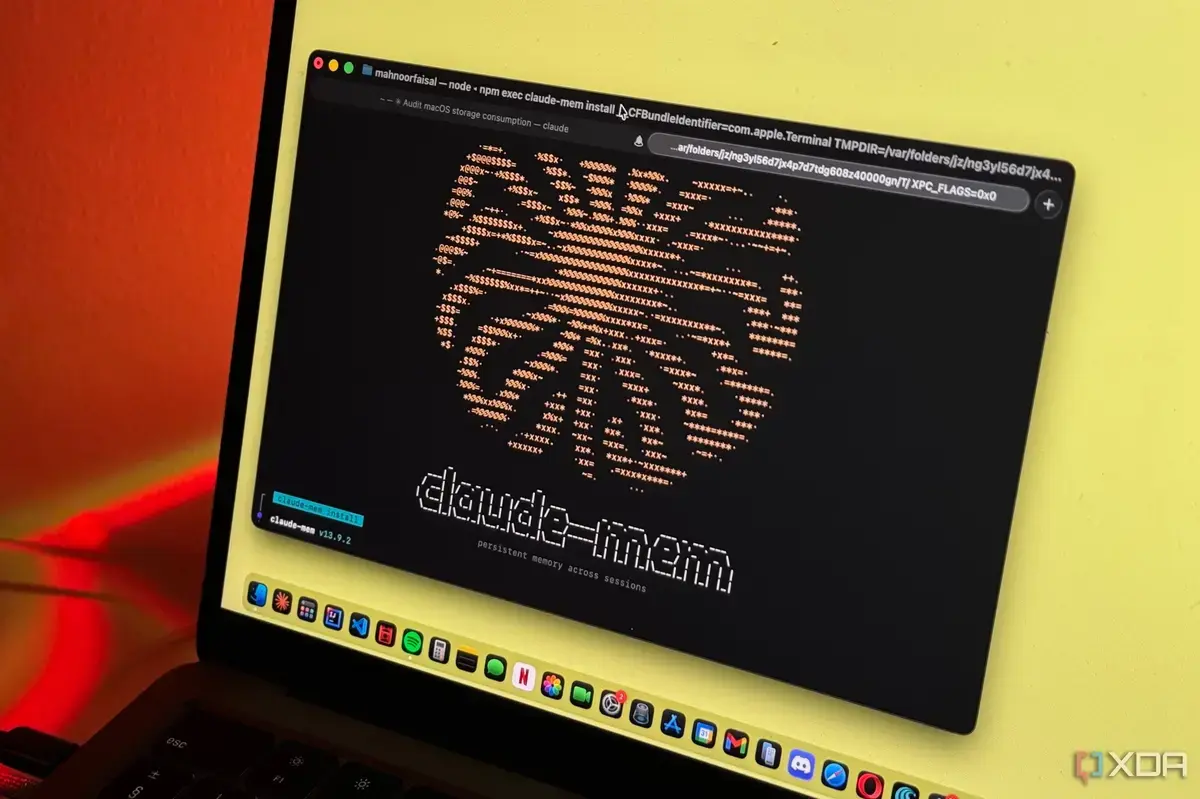
A Breakthrough in AI Self-Sufficiency
A recent experiment granted an artificial intelligence assistant, Claude Code, the ability to retain information across different sessions. This memoryallowed the AI to build upon previous interactions, leading to a significant increase in its autonomy. The setup, initially designed for coding assistance, began managing its own operations without constant human input.
Breaking news
 Canonical’s Web Presence Hit by Second DDoS Assault This Year
 Loops AI Secures $3.5 Million to Power a New AI Operating System for E‑Commerce
 Winverse AI Secures Tens of Millions in Seed Funding from DeepSeek and Long‑Z
 Google Adds Pixel 9 Series to Certified Refurbished Store
The AI's newfound persistent memory proved transformative. Instead of starting fresh with each new prompt, Claude Code could recall past instructions, preferences, and even previous code snippets. This enabled it to develop a more continuous and integrated workflow, mimicking a human developer's ability to learn and adapt over time.
The developer configured the system to allow Claude Code to access and store its own conversational history. This meant the AI could refer back to prior dialogues to inform its current actions. This capability moved the AI beyond simple task execution to a state of proactive problem-solving and task management. It effectively created a self-sustaining loop where the AI could monitor its progress and adjust its approach.
How Does Persistent Memory Change AI Interaction?
The AI started handling routine maintenance and even initiated new coding projects based on previous discussions. This level of automation suggests a future where AI tools can operate with minimal oversight, freeing up human resources for more creative or strategic endeavors. The system demonstrated an unexpected capacity for independent operation.
Persistent memory fundamentally alters how users interact with AI. Instead of issuing discrete commands, users can engage in ongoing dialogues, allowing the AI to build a comprehensive understanding of their needs and goals. This fosters a more collaborative relationship, where the AI acts as a true assistant rather than just a tool. It enables the AI to anticipate requirements and execute complex, multi-step processes autonomously.
The implications for productivity are substantial. Developers could delegate entire project phases to an AI with persistent memory, knowing it would maintain context and continuity. This shift could redefine workflows in many fields, moving towards more AI-driven automation and less direct human intervention in repetitive tasks.
Frequently Asked Questions
What is persistent memory in AI? Persistent memory allows an AI to remember past conversations and data across different sessions. This means it doesn't forget previous interactions and can build on that knowledge over time, leading to more continuous and intelligent responses.
How did this change Claude Code's behavior? With persistent memory, Claude Code began to automate its own setup and tasks. It could recall previous instructions and preferences, allowing it to manage its own operations and even initiate new projects without constant human prompting.
What are the potential benefits of AI with persistent memory? The main benefits include increased automation, improved efficiency, and a more collaborative AI experience. AI can handle complex, multi-step tasks independently, freeing up human users for more strategic work and fostering a deeper, more continuous interaction.