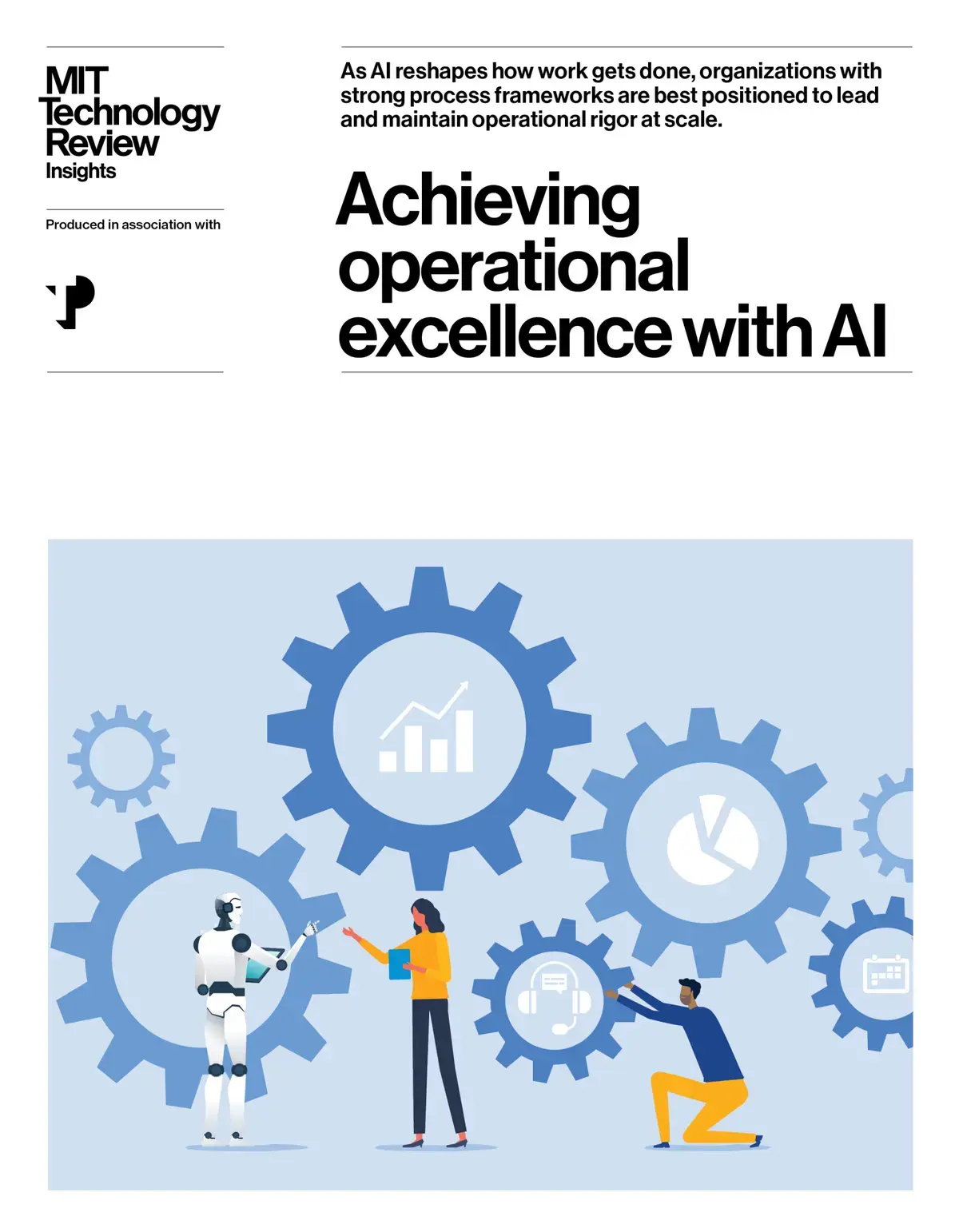
Merging AI with Lean Six Sigma Practices
A new MIT Technology Review Insights report released on July 2, 2026 highlights how artificial intelligence is reshaping workplace efficiency. The study, prepared with Teleperformance, finds that firms already using Lean Six Sigma or business process management are poised to scale operational rigor faster than peers.
Breaking news
 Canonical’s Web Presence Hit by Second DDoS Assault This Year
 Loops AI Secures $3.5 Million to Power a New AI Operating System for E‑Commerce
 Winverse AI Secures Tens of Millions in Seed Funding from DeepSeek and Long‑Z
 Google Adds Pixel 9 Series to Certified Refurbished Store
The report explains that AI tools amplify existing process frameworks rather than replace them. By feeding real‑time data into Lean Six Sigma cycles, organizations can spot bottlenecks instantly. The technology also automates routine BPM tasks, freeing staff to focus on strategic improvements. Researchers credit the synergy for faster cycle times and higher quality outcomes across sectors.
Companies that blend AI with Lean Six Sigma report measurable gains. One manufacturing firm cut defect rates by 18 percent after integrating predictive analytics into its DMAIC phases. Another financial services provider shortened its process‑mapping cycle from weeks to days by using AI‑driven process mining. Executives say the key is aligning AI models with the disciplined problem‑solving steps that Six Sigma mandates. „AI gives us the data velocity we need, but the Six Sigma methodology still guides the decisions,” said a senior manager at a multinational corporation. The report notes that firms with mature BPM systems also benefit, as AI can automatically flag compliance deviations and suggest corrective actions.
Can AI Replace Traditional Process Management?
Experts caution against viewing AI as a wholesale substitute for proven frameworks. While AI excels at data collection and pattern recognition, it lacks the human judgment embedded in Lean Six Sigma’s root‑cause analysis. The study warns that organizations abandoning structured methodologies risk losing the rigor that ensures sustainable improvements. Instead, AI should be seen as a catalyst that accelerates the existing cycle of define, measure, analyze, improve, and control. Companies that maintain this balance are more likely to achieve lasting operational excellence.
The findings suggest a future where AI and process frameworks co‑evolve. As AI algorithms become more sophisticated, they will embed deeper into BPM tools, offering even richer insights. Organizations that invest now in training staff to harness both AI and Lean Six Sigma are likely to dominate their markets. The report predicts that by 2030, AI‑enhanced process management will be a standard competitive advantage for leading firms.
Frequently Asked Questions
How does AI improve Lean Six Sigma cycles? AI provides continuous data streams that feed directly into Six Sigma’s measurement and analysis phases, enabling faster identification of defects and quicker corrective actions.
Will AI make BPM teams obsolete? No. AI automates repetitive tasks, but BPM professionals still design, interpret, and implement process improvements based on strategic goals.
What industries benefit most from this AI‑process integration? Manufacturing, finance, and telecommunications show the highest gains, as they already rely heavily on structured process management and have large data volumes to analyze.