The Results: One Agent Pulled Ahead
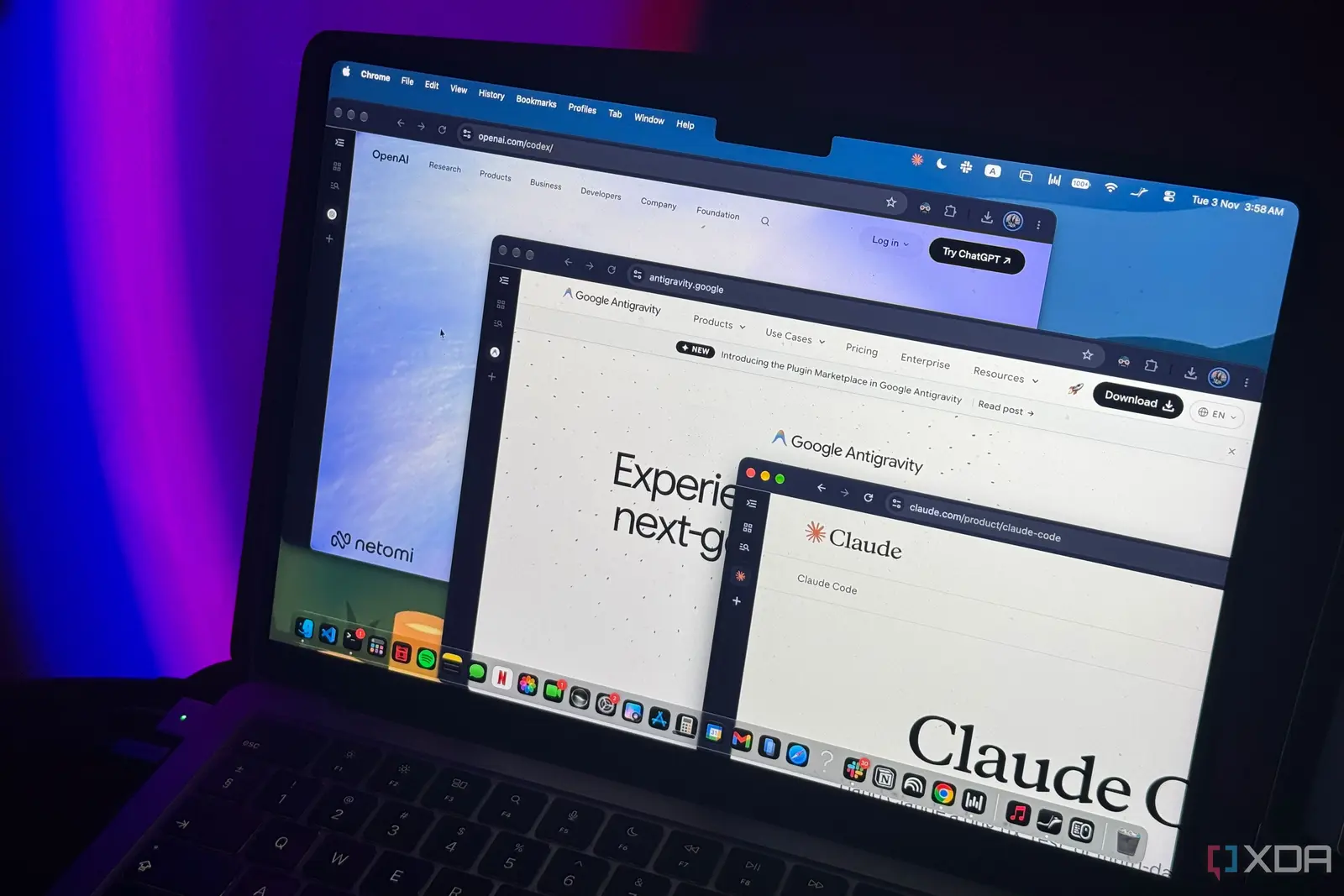
A developer put three AI coding agents to work, asking each to build a competing version of itself. Claude Code, Codex, and Antigravity each attempted to create a rival product. The results showed one agent operating in a completely different league.
Breaking news
 Uber claims it alone can make robotaxis pay, hours after Waymo quit its app
 Hacker hijacked OpsShield update channel for supply-chain attack
 Berlin Fintech Pliant Closes $80M Series C to Expand AI Agent Payments
 Harvard University confirms data breach affecting 851,000 accounts
The experiment stemmed from a late-night idea: why build an app when you can build the app that builds apps. The developer tested whether AI tools could replicate their own capabilities. Each agent received the same prompt and worked independently to produce a functional alternative.
Among the three, one agent produced a significantly more capable and polished result. The others delivered functional but less refined outputs. The winner demonstrated superior planning, code quality, and feature completeness.
Can AI Truly Build Its Own Replacement?
The developer noted the adrenaline of testing a wild idea at 3 AM. The experiment was not just a joke; it was a genuine stress test of AI autonomy. Each agent had to interpret the task, write code, and self-correct. The gap between the best and the rest was stark.
The question lingers: if an AI can build a rival, what does that mean for the future of software development? The experiment suggests that some AI agents are already capable of meta-programming. They can design, code, and debug tools that compete with their own creators.
Frequently Asked Questions
The implications are significant. If AI can build its own rivals, the barrier to entry for software creation drops dramatically. Developers may soon rely on AI to generate competing products, accelerating innovation cycles. The experiment proves that AI is no longer just a tool; it is becoming a co-creator.
Which agent performed best in the rival-building experiment? One agent produced a markedly superior result compared to the other two. It demonstrated better architecture, cleaner code, and more complete features. The exact identity is not specified in the source, but the performance gap was described as being in a different league. What was the core premise of the experiment? The developer asked each AI agent to build a competing version of itself. The goal was to test whether AI could autonomously create a rival product. This unhinged 3 AM ideaaimed to push the limits of AI coding capability.
What are the broader implications for software development? If AI can build its own rivals, the cost and time required to create new software products will decrease. Developers can leverage AI to generate competing tools, speeding up innovation. The experiment highlights a shift from AI as assistant to AI as autonomous builder.