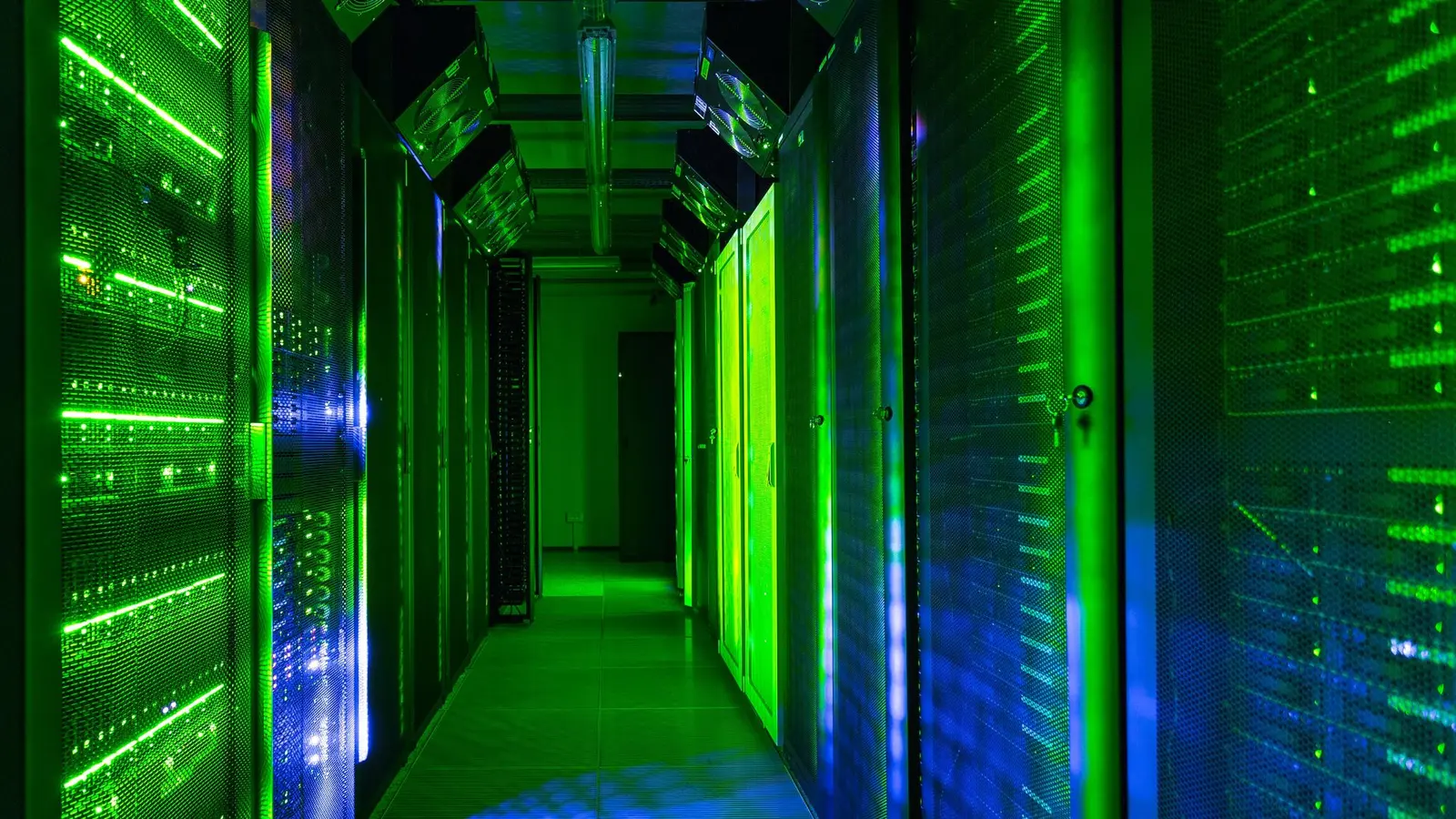
Rising Power Demands and Grid Strain
A global push for artificial‑intelligence infrastructure is driving a race to generate $6 trillion in annual revenue. The industry must meet this target or risk a major collapse, as operating costs for AI data centers are doubling every twelve months. The latest regulatory update shows that a major application was withdrawn after 564 changes were filed, indicating growing scrutiny over the sector’s financial viability.
Breaking news
 Town AI Secures $108 Million Series B, Valued at $1 Billion After $55 M Pre‑Series
 Apple Prepares for Major Product Launch Event on October 28
 Apple Releases Release Candidates for watchOS, tvOS and visionOS 27.2
 Apple Limits iPhone Duo and iPhone 18 Pro Max to Reservation-Only Sales in Japan and South Korea
The announcement came after regulators reviewed the application of a leading AI data‑center operator. The completeness finding was withdrawn, and the company was required to submit 564 amendments. This move highlights the intense pressure on firms to demonstrate cost‑efficiency while scaling up capacity to meet demand.
Can the Market Deliver $6 Trillion?
AI workloads consume vast amounts of electricity, and the push to build new data‑center facilities is straining national grids. A recent 1.3‑gigawatt project had to pause its grid connection, underscoring the challenges of delivering the power needed for large‑scale AI training. Power costs now represent a significant portion of operating expenses, pushing total costs upward and forcing companies to seek innovative cooling and energy‑management solutions.
The $6 trillion revenue benchmark reflects the projected global spend on AI infrastructure over the next decade. Analysts argue that achieving this figure will require rapid expansion of data‑center capacity, coupled with cost reductions through automation and renewable energy sourcing. However, the doubling of costs each year raises questions about whether the market can sustain such growth without compromising profitability.
What Happens If the Target Is Missed?
The regulatory withdrawal signals that authorities are closely monitoring the sector’s financial health. Firms must now provide detailed evidence of cost controls and demonstrate that their expansion plans are sustainable. This scrutiny could delay new projects and influence investment decisions across the industry.
Frequently Asked Questions
If AI data‑center operators fail to reach the $6 trillion revenue goal, the sector could face a sharp contraction. Reduced investment would stall the development of new facilities, limiting the availability of computing power for AI research and commercial applications. In turn, this could slow innovation in fields such as healthcare, autonomous vehicles, and finance, ultimately impacting economic growth.
The industry’s future hinges on balancing rapid scaling with efficient cost management. Companies that can innovate in power usage, cooling, and software optimization will be better positioned to meet regulatory expectations and secure long‑term profitability.
