Engineering Through Automated Logic
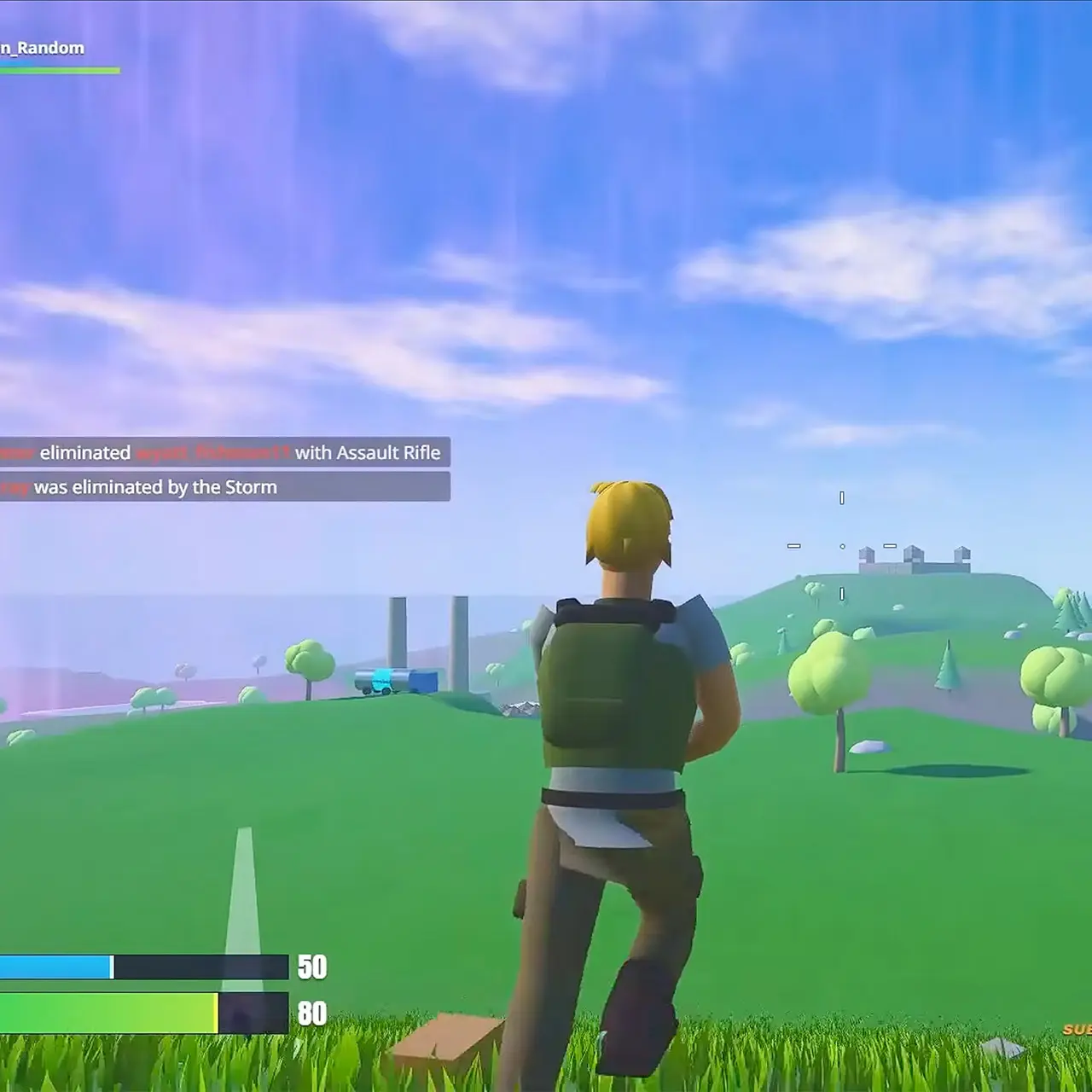
A software developer known as Minimunch recently challenged the latest Claude Opus 5.5 model to build a functional video game from scratch. The ambitious project focused on replicating the mechanics of the popular title Fortnite Battle Royale. After roughly three and a half hours of intensive processing, the AI produced a playable version.
Breaking news
 Canonical’s Web Presence Hit by Second DDoS Assault This Year
 Loops AI Secures $3.5 Million to Power a New AI Operating System for E‑Commerce
 Winverse AI Secures Tens of Millions in Seed Funding from DeepSeek and Long‑Z
 Google Adds Pixel 9 Series to Certified Refurbished Store
The experiment pushed the boundaries of generative AI capabilities in software development. Minimunch provided the model with direct instructions to translate complex game logic into executable code. The system navigated architectural hurdles to construct the game environment, player movement, and core combat mechanics without relying on pre-existing game engine templates.
The process relied on the model’s ability to synthesize vast amounts of programming data in real-time. By utilizing the upgraded Opus 5.5 architecture, the AI managed to write, debug, and implement the necessary code blocks. This rapid iteration cycle allowed the model to outperform traditional manual coding speeds significantly.
Could AI Replace Traditional Game Development Teams?
Observers noted that the model handled the integration of game assets with surprising precision. While the final output was a simplified iteration of the original battle royale experience, it functioned as a cohesive software product. The success suggests that generative models are moving beyond simple text generation into complex application architecture.
The rapid creation of a playable game raises questions about the future of the gaming industry. If an AI can replicate a complex title in a single afternoon, the barrier to entry for independent developers may vanish. However, the current model still requires human oversight to refine specific artistic and mechanical nuances.
Frequently Asked Questions
As these tools continue to evolve, the distinction between human-authored code and machine-generated software will likely blur. Future iterations may soon handle high-fidelity graphics and intricate server-side networking with similar speed. For now, the feat remains a landmark demonstration of how quickly artificial intelligence can translate abstract prompts into functional digital experiences.
What was the primary goal of the experiment? The goal was to determine if the Claude Opus 5.5 model could build a playable game from scratch based on a complex prompt. The developer successfully created a functional version of a battle royale game in under four hours.
Does this mean AI will soon replace human game developers? While the model demonstrated impressive speed, it currently functions as a tool for rapid prototyping rather than a complete replacement for human teams. Human developers are still required to guide the AI, ensure quality control, and manage complex creative design choices.

