Regulatory Capture Concerns
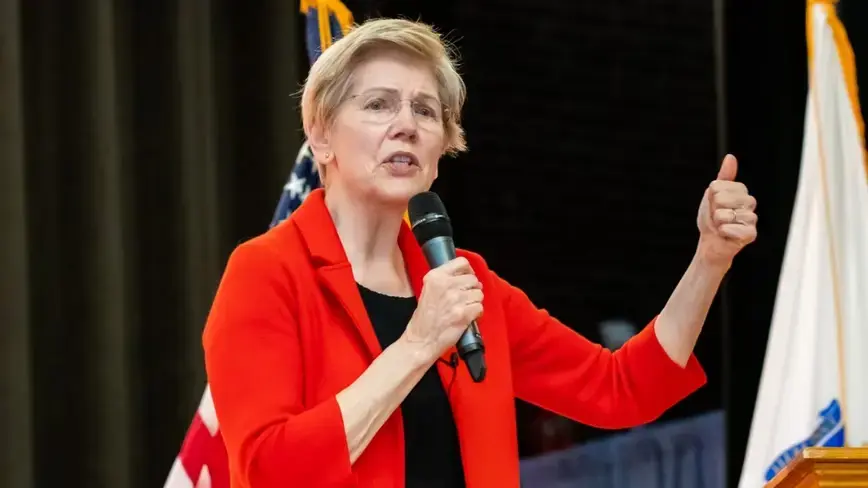
Senator Elizabeth Warren has accused major AI companies of attempting to limit regulatory oversight through a trade agreement. The accusation was made on July 23. Senator Warren alleges that these companies are using US trade policy to achieve their goals.
Breaking news
 Canonical’s Web Presence Hit by Second DDoS Assault This Year
 Loops AI Secures $3.5 Million to Power a New AI Operating System for E‑Commerce
 Winverse AI Secures Tens of Millions in Seed Funding from DeepSeek and Long‑Z
 Google Adds Pixel 9 Series to Certified Refurbished Store
The senator claims that the biggest AI firms are trying to write their own regulatory limits into a trade agreement, effectively locking in restrictions on oversight that Congress has not yet approved. This move is seen as an attempt to bypass Congressional authority.
Can Governments Keep Pace with AI?
Warren's accusation suggests that AI companies are leveraging trade agreements to shape regulatory frameworks in their favor. By doing so, they may be able to avoid stricter oversight and regulations that could be imposed by Congress.
The use of trade agreements to limit regulatory oversight raises concerns about the ability of governments to effectively regulate emerging technologies. If AI companies succeed in writing their own regulatory limits into trade agreements, it could have significant implications for the development and deployment of AI.
The rapid advancement of AI technology has created challenges for regulators, who must balance the need to promote innovation with the need to protect the public from potential risks. Warren's accusation highlights the need for effective regulation and oversight.
Frequently Asked Questions
The consequences of allowing AI companies to limit regulatory oversight could be significant, potentially leading to unchecked development and deployment of AI technologies. As the technology continues to evolve, governments will need to find ways to effectively regulate it.
What is Senator Warren accusing AI companies of? Senator Warren is accusing AI companies of trying to limit regulatory oversight through trade agreements. She claims they are using US trade policy to achieve this goal. How might AI companies benefit from limiting regulatory oversight? By limiting oversight, AI companies may be able to avoid stricter regulations and develop their technologies with fewer restrictions. What are the potential consequences of allowing AI companies to limit regulatory oversight? The consequences could include unchecked development and deployment of AI technologies, potentially posing risks to the public.