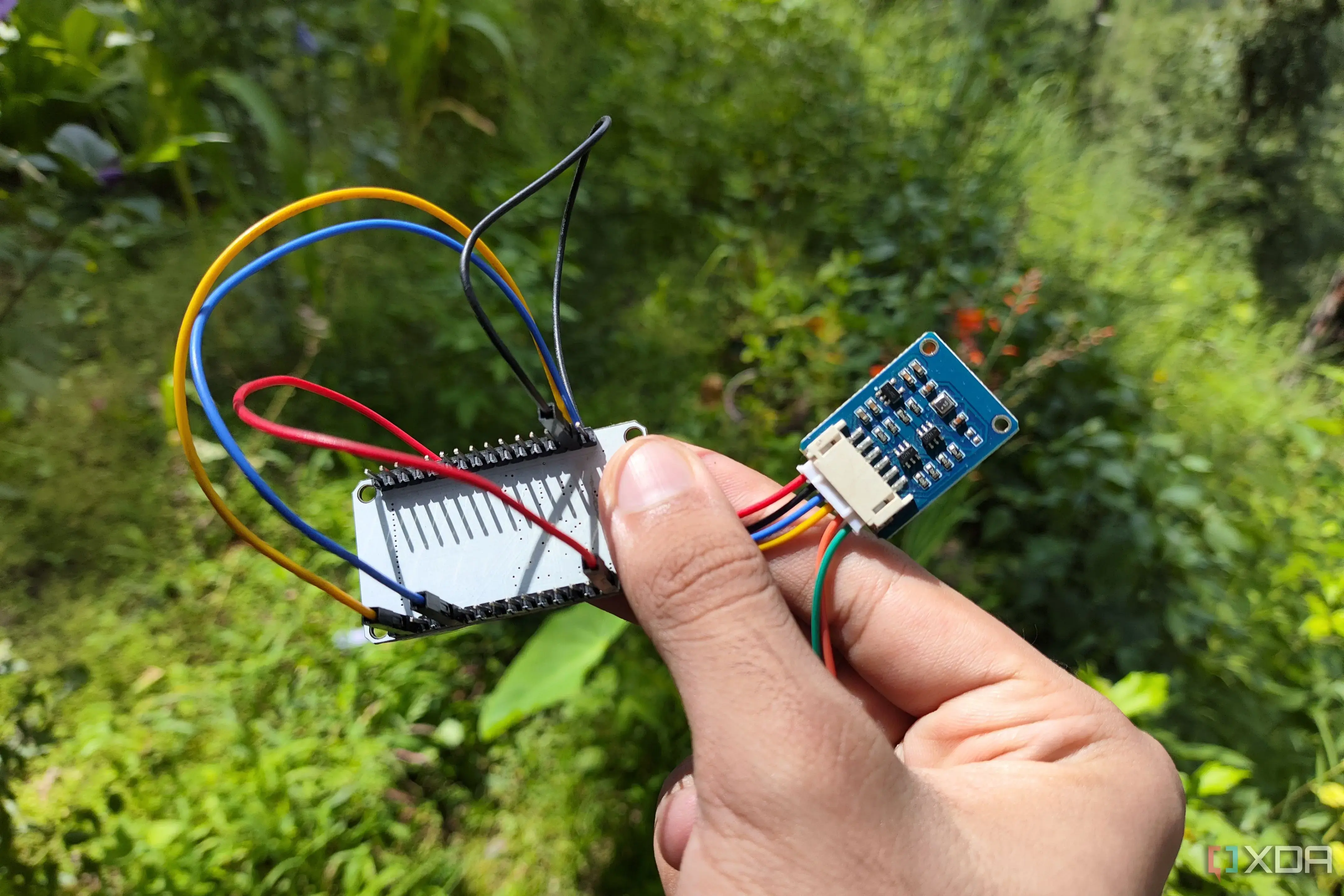
In one case, an AI recommended using GPIO6 through GPIO11 for external memory
Using cloud-based large language models to assist with microcontroller pin assignments often leads to incorrect suggestions for the ESP32, despite sounding plausible. A recent test showed that AI-generated pin recommendations were accurate only 66 percent of the time, creating confusion for developers who trust the output. This partial accuracy makes debugging harder than if the AI were consistently wrong, as users may waste time chasing false leads. The ESP32’s complex pin multiplexing system, where multiple functions share physical pins, poses a particular challenge for AI models trained on general code examples. These models frequently suggest pin configurations that ignore hardware limitations, such as assigning PWM outputs to input-only pins or conflicting with boot strap pins.
Breaking news
 Town AI Secures $108 Million Series B, Valued at $1 Billion After $55 M Pre‑Series
 Apple Prepares for Major Product Launch Event on October 28
 Apple Releases Release Candidates for watchOS, tvOS and visionOS 27.2
 Apple Limits iPhone Duo and iPhone 18 Pro Max to Reservation-Only Sales in Japan and South Korea
In one case, an AI recommended using GPIO6 through GPIO11 for external memory, which are internally tied to the flash chip and cannot be repurposed without causing system failure. Why AI Struggles with Hardware-Specific Constraints Large language models lack real-time awareness of hardware datasheets and rely on patterns from publicly available code, which often omits critical ESP32-specific nuances. Developers using AI assistants reported spending extra time verifying pin functions against the official Espressif documentation, negating any time-saving benefit. One engineer noted that AI suggestions felt „plausible but dangerous,” especially when working on time-sensitive projects. How Can Developers Mitigate AI Errors in Pin Assignment? Cross-referencing AI output with the ESP32 technical reference manual remains essential, particularly for pins with dual or triple functions. Some developers now use AI only for generating boilerplate code, then manually validate pin choices using tools like the ESP32 Pinout Calculator.
Others advocate for training models on verified hardware schematics to improve accuracy, though such datasets are still rare. Frequently Asked Questions Why does AI perform poorly on ESP32 pin assignments compared to other microcontrollers? The ESP32 has more complex pin multiplexing and stricter hardware constraints than simpler MCUs like Arduino Uno, making it harder for AI to generalize correctly from training data. Can AI ever be reliable for ESP32 development without human oversight? Not currently; AI lacks real-time hardware validation and should be treated as a starting point, not a definitive source, for pin configuration decisions. What specific pins are most commonly misassigned by AI models? GPIO0, GPIO2, GPIO12, GPIO15 (boot strap pins) and GPIO6–GPIO11 (flash interface) are frequently misidentified as available for general use, leading to boot failures or system instability.