Older Tech Gets a Boost
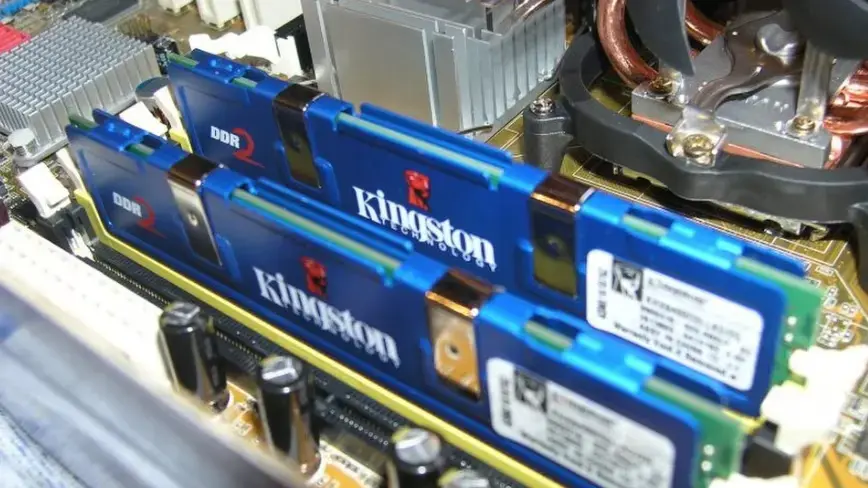
DDR2 memory prices surged 55-60% in Q2 2026 due to AI-driven DRAM shortages, affecting the oldest DRAM standard still in production.
Breaking news
 Canonical’s Web Presence Hit by Second DDoS Assault This Year
 Loops AI Secures $3.5 Million to Power a New AI Operating System for E‑Commerce
 Winverse AI Secures Tens of Millions in Seed Funding from DeepSeek and Long‑Z
 Google Adds Pixel 9 Series to Certified Refurbished Store
The AI-driven memory shortage has now reached DDR2, a standard from 2003, as hardware makers downgrade to older memory generations. This price hike is a result of the increasing demand for AI-related technologies.
DDR2 contract prices rose significantly in the second quarter of 2026, according to market intelligence reports. The shortage has forced manufacturers to rely on older memory standards, driving up prices.
Can the Industry Meet AI's Memory Hunger?
The DRAM shortage is primarily driven by the growing demand for high-performance memory in AI applications. As a result, manufacturers are struggling to meet the demand, leading to a ripple effect on older memory standards like DDR2.
The price hike is expected to have significant implications for industries relying on DDR2 memory. As the demand for AI-related technologies continues to grow, the memory shortage is likely to persist.
The industry's ability to meet the increasing demand for memory will be crucial in determining the future of AI development. With DDR2 prices already surging, it remains to be seen how the industry will respond to the growing demand.
Frequently Asked Questions
What caused the DDR2 price hike? The price hike was caused by the AI-driven DRAM shortage, which has forced hardware makers to downgrade to older memory generations.
How will the memory shortage affect AI development? The memory shortage is likely to persist, potentially slowing down AI development if manufacturers cannot meet the growing demand for high-performance memory.
What are the implications for industries relying on DDR2? The price hike is expected to have significant implications for industries relying on DDR2 memory, potentially leading to increased costs and decreased production.