How AI Upscaling Works on Android
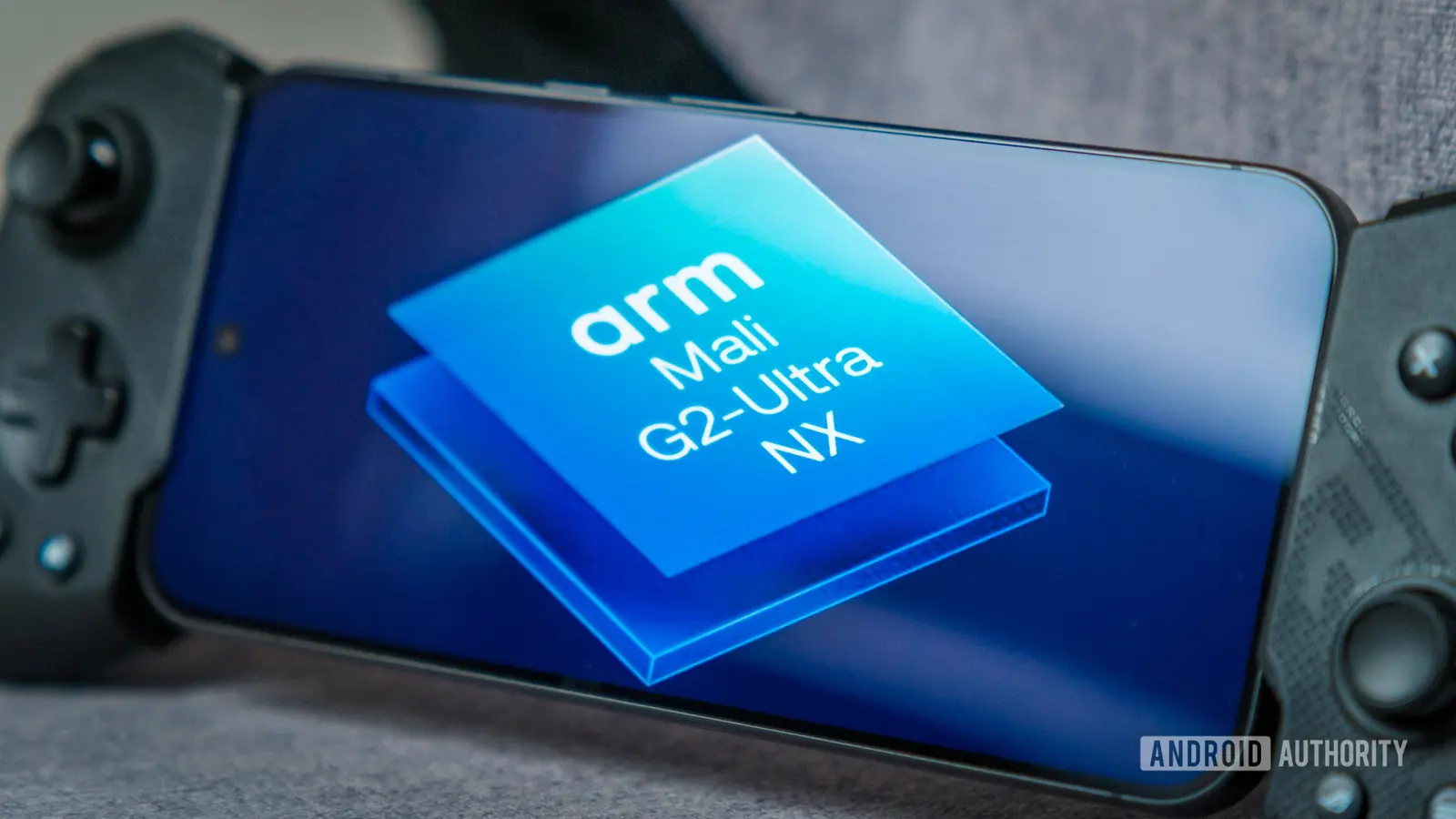
Android devices will soon receive a major graphics boost thanks to AI upscaling. The technology promises sharper visuals on mobile screens, enhancing games for users worldwide. Developers and hardware makers are racing to integrate this feature.
Breaking news
 Anthropic CEO Dario Amodei Calls for Embedded Evaluators and Global AI Coordination
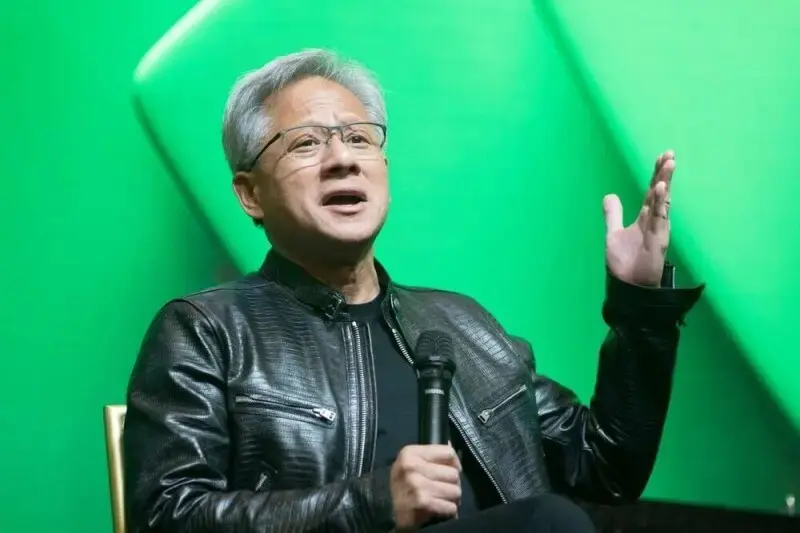 Nvidia's $20 Billion Groq Deal Draws DOJ Scrutiny
 Anthropic CEO Says Pacing Means Giving Firms Time to Align, Not Stop Progress
 OpenAI Brings Git AI Founders onto Codex Team
AI upscaling uses neural networks to enlarge low‑resolution images to higher quality. It analyzes pixel patterns and predicts missing detail, creating a clearer picture. The process runs directly on the device’s GPU, so it can work in real time without external servers.
The core of the technology is a deep learning model trained on millions of high‑resolution images. When a game runs, the model receives the original frame and outputs a higher‑resolution version. The new frame is then displayed on the phone’s screen. This method keeps performance high while improving visual fidelity.
Will All Gamers Benefit?
Because the algorithm runs locally, it avoids latency issues that cloud upscaling would introduce. It also respects battery life, as modern GPUs are optimized for AI workloads. Many manufacturers are already adding dedicated AI cores to their processors, making the technology more efficient.
Not every user will notice the same improvement. High‑end phones with powerful GPUs will see the biggest gains. Budget devices may still struggle to run the models smoothly, potentially affecting frame rates. However, developers can adjust settings, allowing players to choose between quality and performance.
Game studios are already testing the technology. Early demos show classic titles looking crisp on a 6‑inch display. Some reviewers praise the reduced aliasing and smoother textures. Others point out that the algorithm can introduce subtle artifacts if the source image is too low quality.
What Are the Long‑Term Implications?
The rollout will likely begin with flagship devices in 2026. Android’s upcoming updates will include native support for AI upscaling APIs. Game developers can then integrate the feature into new releases. Existing games may receive patches to enable it as well.
AI upscaling could shift how games are designed for mobile. Developers may target lower native resolutions, relying on the AI to fill in detail. This could reduce development costs and broaden device compatibility. Players, meanwhile, will enjoy richer graphics without needing expensive hardware.
The technology also raises questions about performance trade‑offs. If upscaling consumes too much power, battery life could suffer. Regulators may need to set standards for AI processing on mobile. Nonetheless, the trend points toward a future where high‑end visuals are accessible on everyday phones.
Frequently Asked Questions
Q1: Does AI upscaling replace the need for higher‑resolution textures? A1: No. It enhances the final image but does not create new texture detail. Developers still supply base assets, which the AI then enlarges.
Q2: Will this technology increase battery drain? A2: It can, but modern GPUs are designed for efficient AI workloads. Battery impact varies by device and usage.
Q3: Can I turn AI upscaling off? A3: Yes. Most game settings will include an option to disable the feature if it affects performance.