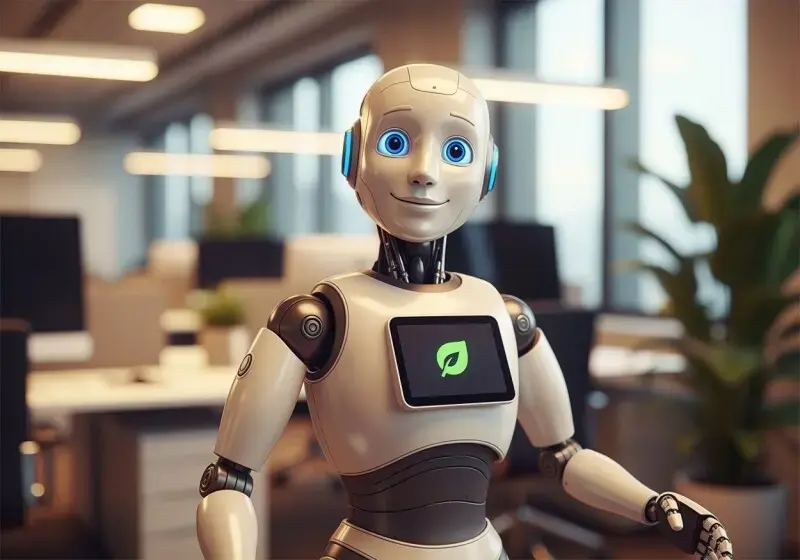
The Shift in Software Development Dynamics
Forrester Research has issued a warning about the potential disruption to established software development and tech services due to the rapid rise of artificial intelligence (AI) and machine learning (ML). This assessment highlights concerns about how these technologies will reshape the industry landscape. The integration of AI and ML into various business processes is accelerating. Forrester emphasizes that companies must adapt to these changes or risk falling behind. As AI tools become more sophisticated, traditional roles in software development may face significant challenges, leading to a shift in how tech services operate.
Breaking news
 Town AI Secures $108 Million Series B, Valued at $1 Billion After $55 M Pre‑Series
 Apple Prepares for Major Product Launch Event on October 28
 Apple Releases Release Candidates for watchOS, tvOS and visionOS 27.2
 Apple Limits iPhone Duo and iPhone 18 Pro Max to Reservation-Only Sales in Japan and South Korea
The increasing capabilities of AI are transforming the way software is developed. Automated coding tools and intelligent algorithms can now perform tasks that once required human expertise. This shift raises questions about the future role of software developers. Will their tasks become obsolete, or will they evolve to focus on more complex challenges?
Forrester's report suggests that businesses should rethink their strategies to leverage AI effectively. Companies that embrace these technologies may gain a competitive edge, while those that resist could struggle to keep pace. The report also highlights the importance of upskilling current employees to work alongside AI tools, ensuring that human intuition and creativity remain integral to the development process.
Are Tech Services Prepared for AI Disruption?
As AI continues to evolve, tech services face a critical juncture. Are they ready to adapt to the changes that AI brings? Many organizations are still grappling with the implications of AI integration. The fear of job displacement looms large, but experts argue that AI should be viewed as an opportunity rather than a threat.
The potential for increased efficiency and innovation is significant. Companies that successfully integrate AI into their operations can expect improved productivity and streamlined processes. However, the transition will require careful planning and investment in training programs to equip employees with the necessary skills.
Frequently Asked Questions
The outlook for the tech industry remains uncertain. As AI continues to advance, businesses must remain agile and responsive to changes. Those that do not adapt may find themselves at a disadvantage in an increasingly competitive market.
What impact will AI have on software developers? AI is expected to automate many routine tasks in software development. This could lead to a shift in the roles of developers, who may need to focus on more complex and creative aspects of their work.
How can companies prepare for AI integration? Organizations should invest in training programs to help employees develop skills that complement AI technologies. Embracing a culture of continuous learning will be essential for adapting to the evolving landscape.