Largest Follow-on Offering in Hong Kong History
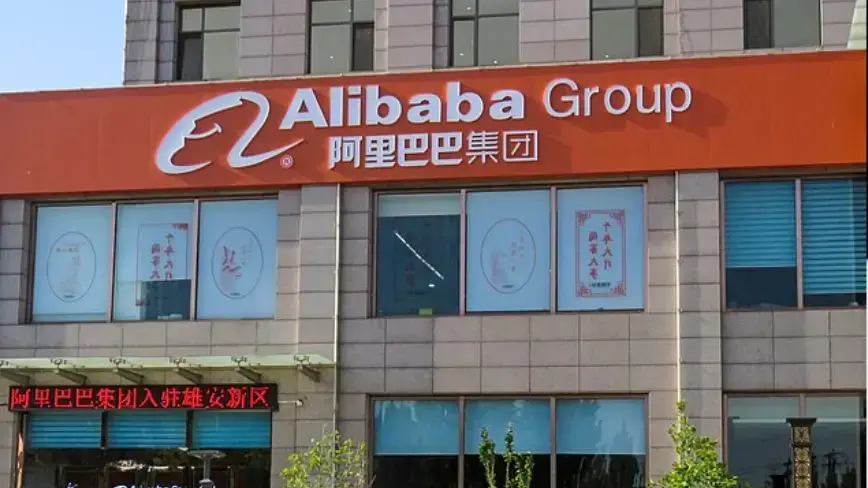
Alibaba’s share placement is the largest follow-on offering ever conducted by a company listed in Hong Kong. It is also the largest Regulation S offering in history, referring to sales aimed at investors outside the United States. Globally, this placement ranks third for the year, surpassed only by similar actions from Alphabet and Intel, both executed in 2026. Alphabet raised $85 billion, while Intel’s offering matched that scale. These figures highlight the unprecedented scale of Alibaba’s financial effort.
Breaking news
 Canonical’s Web Presence Hit by Second DDoS Assault This Year
 Loops AI Secures $3.5 Million to Power a New AI Operating System for E‑Commerce
 Winverse AI Secures Tens of Millions in Seed Funding from DeepSeek and Long‑Z
 Google Adds Pixel 9 Series to Certified Refurbished Store
Timing Amid Declining Profits and Rising Cloud Revenue
Just three days before announcing the share sale, Alibaba released its quarterly financial results, showing a 75% drop in net profit. This decline was largely due to a significant increase in capital expenditures, which reached 67.68 billion yuan for the April–June period, up 75% from the prior quarter. Despite the profit dip, AI and cloud revenues are rising. Cloud and AI segment revenue grew 45% to 48.44 billion yuan, while AI model services surpassed 16 billion yuan in annual recurring revenue.
Executive Vision: Build Capacity First
Chief Executive Eddie Wu explained the logic behind the strategy: to benefit from future AI growth, Alibaba must first invest in computing capacity. He emphasized that without adequate hardware and data infrastructure, the company would lack the technological foundation to scale AI solutions globally. This view aligns with an earlier commitment made in early 2025, when Alibaba pledged to invest 380 billion yuan over three years in AI infrastructure. Some sources suggest this amount may rise to 480 billion yuan. Wu noted that the company’s proprietary chips could significantly improve profit margins as they scale.
Scale Compared to European AI Initiatives
For perspective, the European Union’s budget for its „AI gigafactories” program is approximately 20 billion euros. The amount Alibaba raised in a single day on the Hong Kong market represents roughly half of that continental initiative. While the EU seeks to secure technological autonomy through initiatives like the Cloud and AI Development Act — proposed in June and establishing a four-tier sovereignty framework with strict ownership and operational control rules — Alibaba continues to expand its presence in Europe.
European Expansion Amid Regulatory Tensions
The company has launched two new availability zones in Paris in June, marking its third European hub after locations in Germany and the United Kingdom. This expansion positions Alibaba as a sovereign option for European clients seeking alternatives to local providers, even as evolving European regulations could complicate collaboration with a China-based supplier. Despite growing tension between Alibaba’s expansion ambitions and Europe’s tendency to restrict access to computing resources based on origin, the company shows no signs of retreat. Instead, it continues to invest aggressively, demonstrating that, regardless of regulatory barriers, it views AI as an essential engine for its global future.