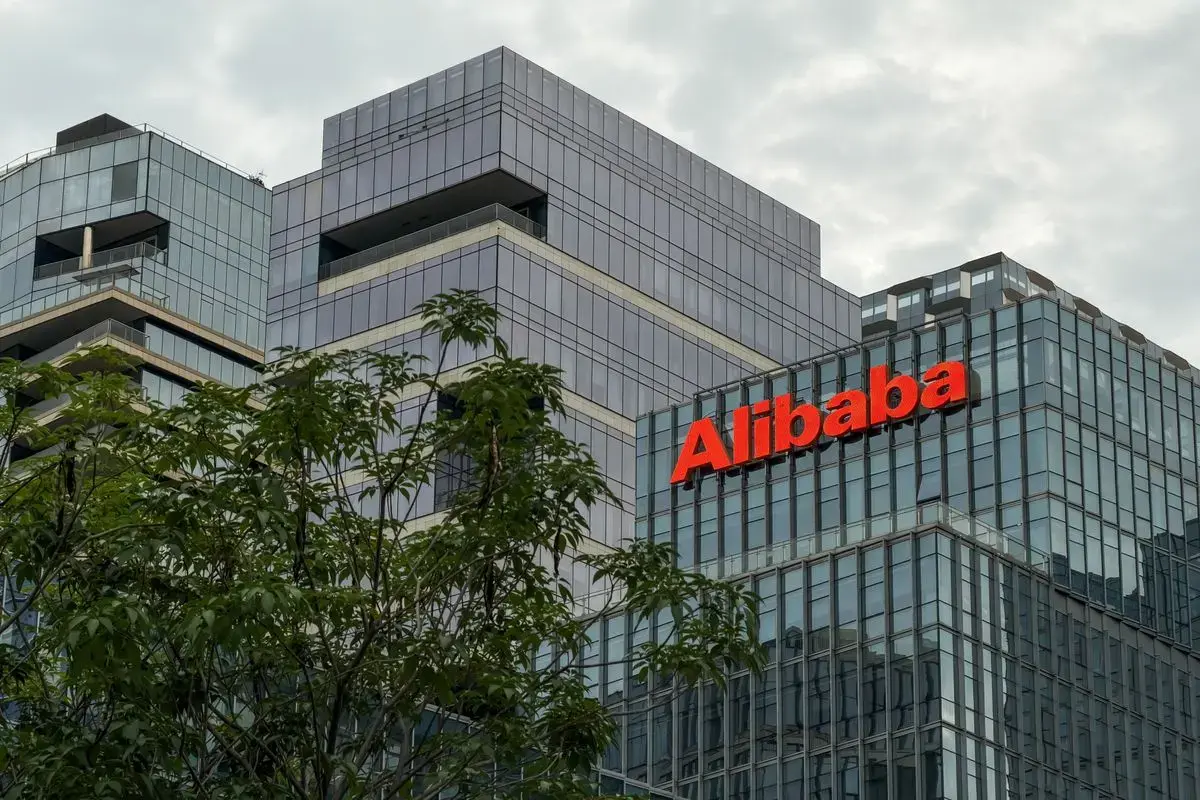
Why Is Alibaba Shifting Its Focus?
Alibaba has announced the sale of its gaming division, Lingxi Games, to the private equity firm Tru. This deal is valued at a minimum of $1.5 billion and is part of Alibaba's strategy to enhance its artificial intelligence capabilities. The transaction reflects a significant shift in Alibaba's focus as it navigates the evolving tech landscape.
Breaking news
 Canonical’s Web Presence Hit by Second DDoS Assault This Year
 Loops AI Secures $3.5 Million to Power a New AI Operating System for E‑Commerce
 Winverse AI Secures Tens of Millions in Seed Funding from DeepSeek and Long‑Z
 Google Adds Pixel 9 Series to Certified Refurbished Store
Lingxi Games is known for developing titles such as „Three Kingdoms: Strategy Edition.”The sale marks a decisive move by Alibaba to streamline its operations and allocate resources toward AI development. The company anticipates generating over $2 billion from this divestiture, which aligns with a broader trend in the tech industry where firms are reassessing their portfolios.
Alibaba's decision to sell Lingxi Games comes amid increasing competition in the AI sector. The company aims to redirect its investments to areas with higher growth potential. By divesting from gaming, Alibaba can concentrate on enhancing its AI infrastructure and capabilities. This move mirrors similar strategies seen in other tech giants, like Micron, which recently exited its consumer business to focus on more lucrative sectors.
What Does This Mean for Lingxi Games?
The sale is expected to provide Alibaba with the necessary capital to invest in AI research and development. As AI technologies continue to evolve, companies that prioritize these advancements are likely to maintain a competitive edge. Alibaba's leadership recognizes the importance of staying ahead in this rapidly changing environment.
The acquisition by Tru presents a new chapter for Lingxi Games. The private equity firm is expected to leverage the studio's existing assets to expand its portfolio in the gaming industry. This could lead to new opportunities for game development and innovation under Tru's management. However, it also raises questions about the future direction of Lingxi Games and how it will adapt to new market demands.
The gaming sector has faced challenges over the past few years, including regulatory scrutiny and changing consumer preferences. Lingxi Games will need to navigate these obstacles while continuing to deliver engaging content to its audience. The potential for growth remains, but it will depend on strategic decisions made by Tru and the studio's ability to innovate.
In summary, Alibaba's decision to sell Lingxi Games signals a significant pivot toward AI investment. The gaming studio's future under new ownership could bring fresh opportunities, but it must also adapt to a competitive landscape. As the tech industry continues to evolve, companies like Alibaba must remain agile to succeed.
Frequently Asked Questions
Why did Alibaba sell Lingxi Games? Alibaba sold Lingxi Games to raise funds for its artificial intelligence initiatives, reflecting a strategic shift in focus.
What will happen to Lingxi Games after the sale? Lingxi Games will be managed by Tru, which may lead to new game development opportunities and innovations under its ownership.
How does this sale impact Alibaba's future? The sale allows Alibaba to invest more in AI, a critical area for growth, positioning the company to better compete in the tech industry.