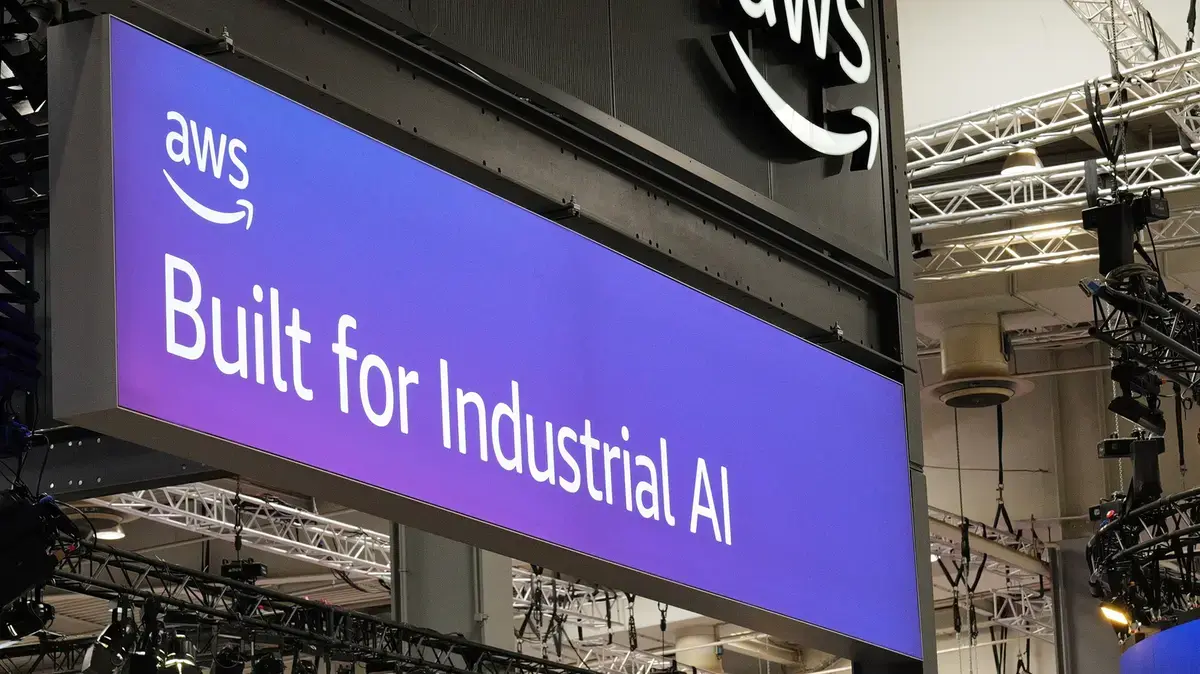
Modular Pods Reduce Latency and Power Use
Amazon Web Services rolled out a new data‑center design on July 1, 2026, promising faster, cheaper storage for the 28 percent of the internet it currently powers. The announcement came at the company’s annual cloud summit in Seattle and was led by AWS chief Werner Vogels.
Breaking news
 Town AI Secures $108 Million Series B, Valued at $1 Billion After $55 M Pre‑Series
 Apple Prepares for Major Product Launch Event on October 28
 Apple Releases Release Candidates for watchOS, tvOS and visionOS 27.2
 Apple Limits iPhone Duo and iPhone 18 Pro Max to Reservation-Only Sales in Japan and South Korea
The new architecture relies on a tightly integrated hardware‑software stack, combining custom storage chips, liquid‑cooling modules, and AI‑driven workload management. AWS says the design cuts energy use by 30 percent and boosts storage density by up to 40 percent, allowing customers to store more data in smaller footprints. The move follows a year of investment in renewable‑energy‑linked facilities and a push to meet rising demand for generative‑AI workloads.
Each pod houses thousands of NVMe drives linked through a proprietary fabric that reduces read‑write latency to under 200 microseconds. Vogels explained that the fabric „lets us move data across the rack as fast as the CPU can process it.” The pods are pre‑fabricated, enabling rapid deployment in existing sites. By using a closed‑loop liquid‑cooling system, AWS claims it can keep drive temperatures below 40 °C without supplemental fans, cutting power draw dramatically.
Will This Shift the Competitive Landscape of Cloud Providers?
Early adopters, including a multinational media firm, reported a 25 percent drop in storage costs after migrating workloads to the new pods. The firm’s CTO noted that the tighter integration „makes scaling storage almost frictionless.” AWS also introduced a software layer that predicts hot data patterns and automatically migrates blocks to the fastest tiers, further improving performance for AI training jobs.
Industry analysts see the technology as a potential game‑changer. „If AWS can deliver the promised cost and speed advantages, rivals will need to accelerate their own hardware innovations,” said Maya Patel, a cloud‑strategy consultant. Competitors such as Microsoft Azure and Google Cloud have already announced plans for custom storage silicon, but AWS’s end‑to‑end approach could set a new benchmark.
The rollout also raises questions about data sovereignty. Because the pods are more compact, AWS can place them in edge locations closer to users, potentially reducing the need for large regional data centers. Regulators will watch how the company balances rapid deployment with compliance requirements.
The new data‑center design positions AWS to dominate the growing demand for high‑performance storage, especially as AI models consume petabytes of data. If the efficiency gains hold, the industry could see lower cloud bills and faster innovation cycles. AWS plans to expand the architecture to its global network over the next 18 months, signaling a long‑term shift in how cloud storage is built and delivered.
Frequently Asked Questions
How does the new storage architecture differ from previous AWS offerings? It uses custom NVMe fabric, liquid cooling, and AI‑driven tiering to lower latency, increase density, and cut energy use compared with traditional rack designs.
Will existing AWS customers need to change their applications? Most workloads can migrate without code changes. The new software layer handles data placement automatically, making the transition seamless for most users.
What environmental impact does the technology have? AWS reports a 30 percent reduction in power consumption per petabyte stored, thanks to efficient cooling and higher drive density, supporting its renewable‑energy goals.