The Shift Toward Simplified Development
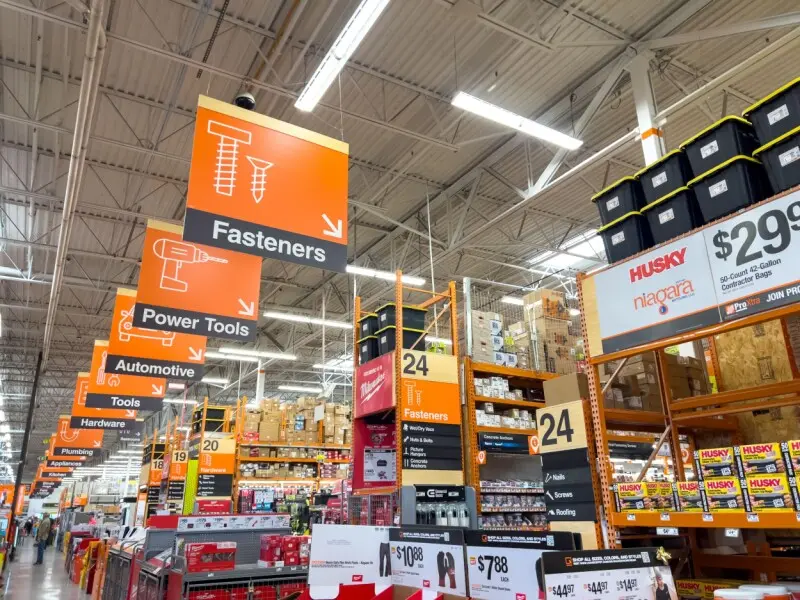
Amazon Web Services is facing a pivotal identity crisis as the cloud computing landscape shifts toward automated development. Long viewed as the digital equivalent of a hardware store, the platform provides raw components that developers must assemble themselves. This legacy model now struggles to compete with modern, streamlined alternatives that prioritize automation.
Breaking news
 Town AI Secures $108 Million Series B, Valued at $1 Billion After $55 M Pre‑Series
 Apple Prepares for Major Product Launch Event on October 28
 Apple Releases Release Candidates for watchOS, tvOS and visionOS 27.2
 Apple Limits iPhone Duo and iPhone 18 Pro Max to Reservation-Only Sales in Japan and South Korea
For years, AWS succeeded by offering a vast inventory of individual building blocks. Engineers treated the cloud like a warehouse, selecting specific tools to construct their own unique digital architectures. While this approach offered unmatched granular control, it demanded significant manual effort. Today, developers increasingly prefer platforms that handle the heavy lifting automatically.
Modern competitors like Vercel and Railway have gained significant traction by abstracting away the complex infrastructure layers. These platforms allow developers to deploy applications without worrying about the underlying configuration or hardware assembly. By automating the bolting togetherof services, these companies offer a faster path to production.
Is the Hardware Store Model Still Viable?
AWS remains a massive wholesaler of computing power, yet its user experience feels increasingly outdated. The sheer volume of manual choices can overwhelm teams that want to focus on product features rather than system maintenance. To remain dominant in the AI era, Amazon must decide if it wants to continue selling loose parts or evolve into a more cohesive solution provider.
The challenge for Amazon is balancing its massive, versatile catalog with the growing demand for simplicity. If the company fails to integrate these disparate tools into a more intuitive experience, it risks losing the next generation of builders. The market is clearly signaling that speed and automation are now more valuable than raw, unmanaged capacity.
Frequently Asked Questions
Ultimately, AWS must embrace its identity as a foundational infrastructure giant while lowering the barrier to entry. If it can successfully bridge the gap between raw power and modern convenience, it will secure its future. Otherwise, it may find itself relegated to a utility provider while more agile competitors capture the developer ecosystem.
What defines the current AWS development experience? It currently functions like a hardware store where users select individual components to build their own systems. This requires significant manual labor to configure and connect various pieces of infrastructure.
Why are modern developers moving away from this model? Developers now prefer platforms that automate the assembly process to save time and reduce complexity. Modern services handle the heavy lifting, allowing teams to focus on building features rather than managing cloud architecture.
