Cracking the Code of the Past
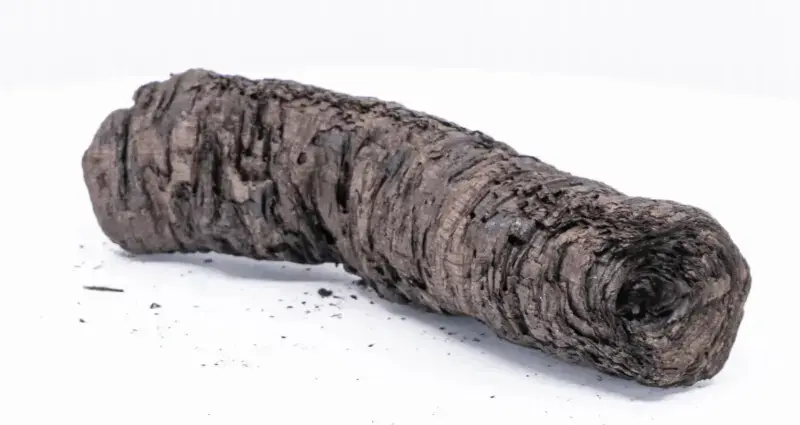
Researchers have cracked the code of a charred scroll from Herculaneum, a Roman town destroyed by Mount Vesuvius nearly 2,000 years ago. The breakthrough came in 2023 using machine learning and high-resolution CT scans. The scroll was once sealed and unreadable.
Breaking news
 Canonical’s Web Presence Hit by Second DDoS Assault This Year
 Loops AI Secures $3.5 Million to Power a New AI Operating System for E‑Commerce
 Winverse AI Secures Tens of Millions in Seed Funding from DeepSeek and Long‑Z
 Google Adds Pixel 9 Series to Certified Refurbished Store
The scrolls were carbonized by the intense heat of the volcanic eruption, making them extremely fragile. Researchers used non-invasive techniques to analyze the scrolls without unrolling them, which would have caused damage. By combining CT scans with machine learning algorithms, they were able to decipher a few words.
Can We Unlock More Secrets?
The team had to develop new methods to readthe scrolls, as traditional techniques were not feasible. They used X-ray CT scans to capture detailed images of the scroll's internal structure. Machine learning algorithms then helped to enhance and interpret these images.
The deciphered text is a significant discovery, providing insights into the culture and knowledge of ancient Romans. Although the text is limited, it represents a major breakthrough in understanding the contents of the scrolls. Having certainly strained ourselves to the utmost through research and learning, we will no longer,the text reads.
The success of this project raises hopes that more scrolls can be deciphered. With over 800 scrolls remaining unopened, the potential for new discoveries is vast. The researchers are optimistic that their techniques can be applied to other damaged texts.
Frequently Asked Questions
The ability to non-invasively read ancient texts has significant implications for the field of archaeology and our understanding of history. As researchers continue to refine their techniques, we can expect to uncover more secrets from the past.
What was the condition of the scroll? The scroll was charred and carbonized, making it extremely fragile. How were the scrolls analyzed? Researchers used X-ray CT scans and machine learning algorithms to decipher the text without unrolling the scrolls. What does this discovery mean for archaeology? This breakthrough has the potential to reveal new insights into ancient cultures and knowledge, and could be applied to other damaged texts.