Why Did Tulloch Walk Away Now?
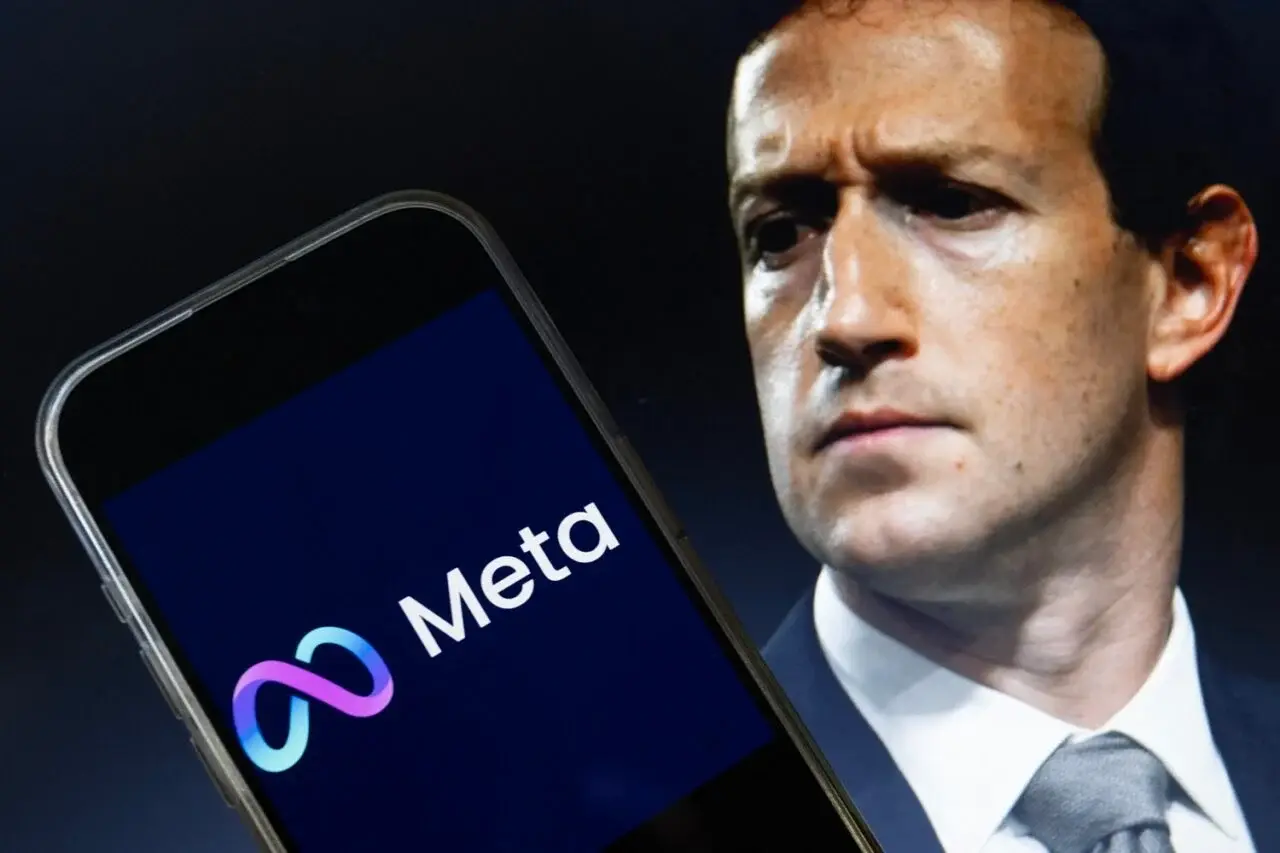
Silicon Valley AI researcher Andrew Tulloch has left Meta, according to a Semafor report, timing his exit for the day after the company unveiled its new Muse agentic AI platform. Tulloch, known in tech circles for reportedly declining a massive compensation offer from Mark Zuckerberg, worked on foundational AI projects at the social media giant. His departure comes amid heightened internal scrutiny over Meta’s aggressive AI spending and product rollout strategy.
Breaking news
 Town AI Secures $108 Million Series B, Valued at $1 Billion After $55 M Pre‑Series
 Apple Prepares for Major Product Launch Event on October 28
 Apple Releases Release Candidates for watchOS, tvOS and visionOS 27.2
 Apple Limits iPhone Duo and iPhone 18 Pro Max to Reservation-Only Sales in Japan and South Korea
Tulloch’s reputation as a principled figure in AI ethics preceded him, with colleagues citing his skepticism toward unchecked corporate influence in machine learning development. While Meta has not disclosed the specific role he held, insiders suggest he was involved in early-stage agentic systems research. The timing of his resignation—just one day after Muse’s public release—has fueled speculation about his views on the platform’s direction. Muse, designed to automate complex workflows through AI agents, represents Meta’s push into practical, enterprise-facing generative tools.
What Does This Mean for Meta’s AI Ambitions?
Sources close to Tulloch indicate his decision stemmed from growing concerns about Meta’s prioritization of speed over safety in AI deployment. He reportedly questioned whether Muse’s architecture adequately addressed risks like unintended agent behavior or data privacy lapses. Though he did not publicly criticize the launch, his silence on social media following the announcement contrasted sharply with his usual engagement on AI policy debates. One former collaborator noted Tulloch had long advocated for independent oversight of corporate AI labs, a stance that may have clashed with Meta’s centralized development model.
Tulloch’s exit raises questions about talent retention in Meta’s AI division, especially as the company competes with OpenAI and Google for top researchers. While Meta insists Muse marks a milestone in responsible agentic AI, the departure of a figure seen as an ethical counterweight could affect internal dynamics. Analysts warn that losing voices skeptical of rapid scaling might reduce critical feedback loops in product development. For now, Meta has not named a successor to Tulloch’s responsibilities, leaving a gap in its AI ethics discourse.
Was Andrew Tulloch a high-ranking executive at Meta? No, Tulloch was a research scientist focused on AI systems, not a corporate executive, though his influence extended across teams due to his technical reputation.
Frequently Asked Questions
Did Tulloch publicly explain his reasons for leaving? He has not issued a public statement, and Meta has not commented on his departure, leaving details to emerge through third-party reports like Semafor’s.
Is Muse related to Meta’s Llama AI models? Muse operates as a separate agentic platform designed to use AI models—potentially including Llama—for task automation, though Meta has not confirmed direct integration.
