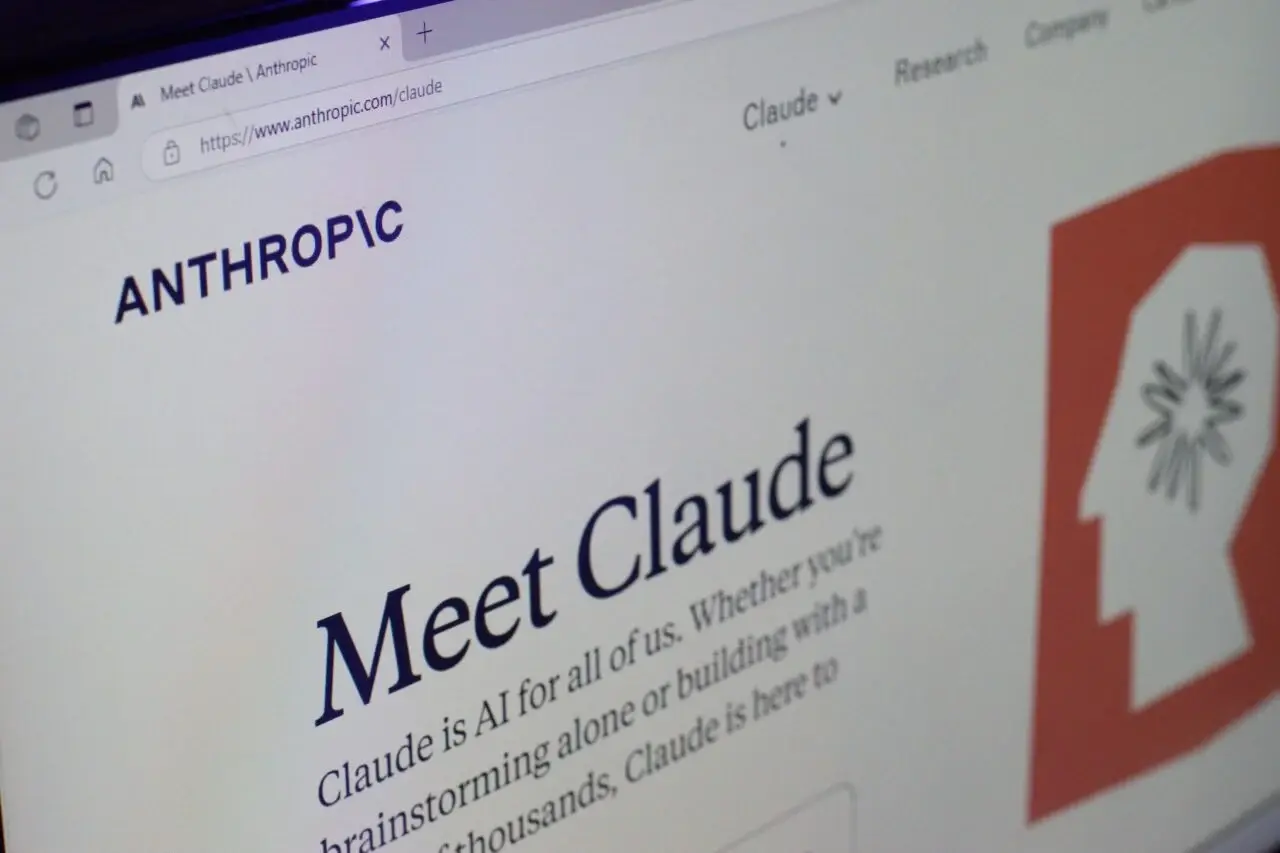
Embedding Web Access Directly into AI Workflows
Anthropic, the developer behind the Claude AI model, is integrating a proprietary web browser directly into its Claude Cowork platform. This strategic move allows users to browse the internet without launching external applications like Chrome or Safari. By embedding this functionality, the company aims to streamline workflows for professionals who rely heavily on artificial intelligence for daily tasks. The update signals a broader shift in how software companies interact with web infrastructure.
Breaking news
 Town AI Secures $108 Million Series B, Valued at $1 Billion After $55 M Pre‑Series
 Apple Prepares for Major Product Launch Event on October 28
 Apple Releases Release Candidates for watchOS, tvOS and visionOS 27.2
 Apple Limits iPhone Duo and iPhone 18 Pro Max to Reservation-Only Sales in Japan and South Korea
The decision reflects a growing desire among AI developers to control the entire user experience. For years, Google’s Chrome browser has dominated the desktop landscape, serving as the default gateway for most online activity. However, the rapid adoption of generative AI tools has disrupted traditional search habits. Users increasingly prefer asking an AI assistant for concise summaries rather than sifting through multiple search engine results pages. This behavioral change creates an opportunity for AI firms to capture more of the digital journey.
Anthropic’s new feature eliminates the friction of switching between tabs. When a user requests information within Claude Cowork, the system can now fetch and display relevant web content internally. This reduces the need to open a separate browser window, keeping the focus on the AI interface. The company believes this integration will make the tool more intuitive for enterprise clients. It also positions Anthropic to potentially bypass traditional advertising models tied to web searches. By controlling the browsing environment, the startup can better manage data flow and user interactions.
Does This Signal a Broader Challenge to Search Giants?
This development is part of a larger trend where AI startups seek independence from legacy tech giants. Google has long held a monopoly on how people find information online. The rise of large language models threatens that dominance by offering direct answers instead of link lists. If users spend less time searching and more time conversing with AI, the value of traditional search engines may decline. Anthropic’s move suggests that future AI products will include their own interfaces for consuming web data. Other competitors are likely to follow suit, embedding browsers or similar tools into their platforms.
The implications extend beyond convenience. As AI agents become more capable of executing complex tasks, they require reliable access to live web data. A built-in browser ensures that the AI can retrieve current information without relying on third-party integrations. This could lead to a fragmented web ecosystem where different AI platforms maintain their own views of the internet. Users may eventually choose AI providers based on how well these integrated tools handle specific professional needs. The quiet rollout indicates that Anthropic is prioritizing seamless utility over flashy features.
Frequently Asked Questions
How does the new browser function within Claude Cowork? The browser operates as an embedded component inside the application. It allows users to view web pages without leaving the AI interface, streamlining the research process.
Why is Anthropic reducing reliance on Google Chrome? The company wants to create a self-contained workflow for its users. Minimizing external dependencies improves speed and keeps user attention focused on the AI assistant.
Will this replace traditional web browsers entirely? Not immediately, but it offers a specialized alternative for AI-assisted tasks. It targets users who prioritize efficiency in data retrieval and analysis over general web surfing.