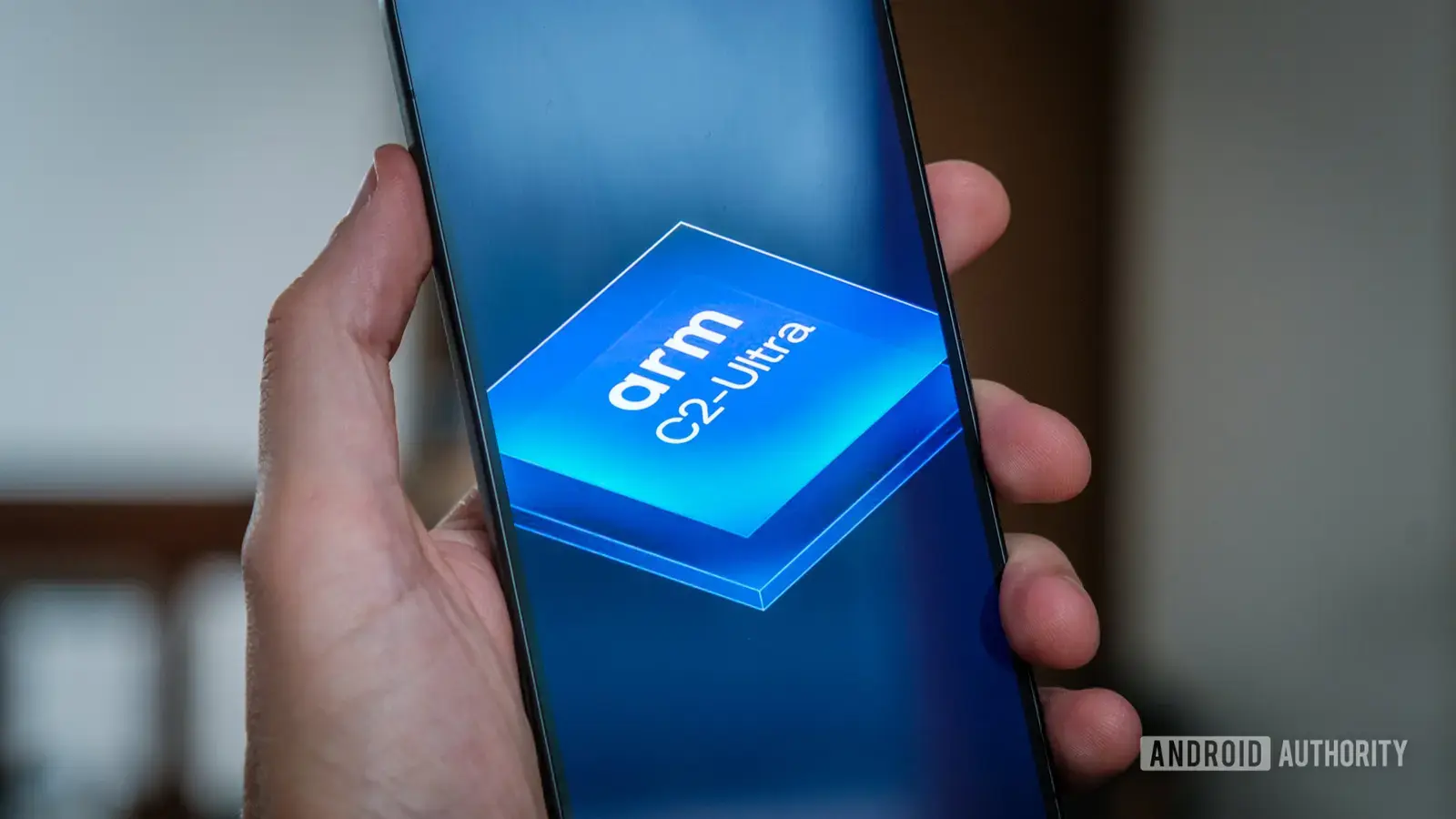
Rethinking Mobile Compute Architecture
Arm is fundamentally changing how mobile devices handle artificial intelligence. By prioritizing the central processing unit for complex machine learning tasks, the company aims to move away from the current reliance on dedicated AI chips. This strategic pivot, announced this week, will likely define the architecture of upcoming Android smartphones.
Breaking news
 Why Technical SEO Scanning Is Essential for Modern Web Performance
 How Predictive Telematics Redefines Post-Accident Recovery Logistics
 How Autonomous Mobility Is Reshaping Corporate Travel Infrastructure
 Algorithmic Liquidity: How Digital Trust Protocols Reshape Personal Finance
The industry has spent years adding specialized hardware, often called NPUs, to handle AI workloads. Arm now argues that modern CPUs are capable enough to manage these demands efficiently. By integrating AI acceleration directly into the main processor, the company hopes to reduce hardware complexity and improve overall system responsiveness.
This shift suggests that future mobile performance will depend less on auxiliary chips and more on the raw power of the primary processor. Developers often struggle to optimize software across fragmented hardware setups. Arm’s approach seeks to unify this process, making it easier for applications to access high-speed AI functions.
Can General-Purpose CPUs Outpace Dedicated AI Hardware?
By streamlining the hardware path, devices could see significant gains in power efficiency. Moving data between a CPU and a separate AI chip consumes energy and creates latency. Integrating these functions into a single unit keeps data local, which could extend battery life during heavy AI usage.
Critics wonder if a general-purpose processor can truly match the performance of silicon designed specifically for neural networks. Dedicated chips excel at repetitive, high-speed mathematical calculations required for generative AI. Arm’s success depends on whether its new CPU designs can bridge this performance gap without sacrificing the versatility that mobile users expect.
Frequently Asked Questions
If this transition succeeds, the next generation of Android phones will likely be thinner and more efficient. Manufacturers may stop marketing separate AI engines, focusing instead on the integrated capabilities of the main chip. This change marks a return to a more centralized design philosophy for mobile computing.
Will my current phone become obsolete? No, existing devices will continue to function normally. This change applies specifically to future hardware architectures being developed for upcoming mobile releases.
Why is Arm moving away from dedicated AI chips? Arm aims to reduce hardware complexity and improve energy efficiency. By keeping AI tasks within the CPU, they hope to minimize data bottlenecks and power consumption.