Forests at Risk: The Scale of the Controversy
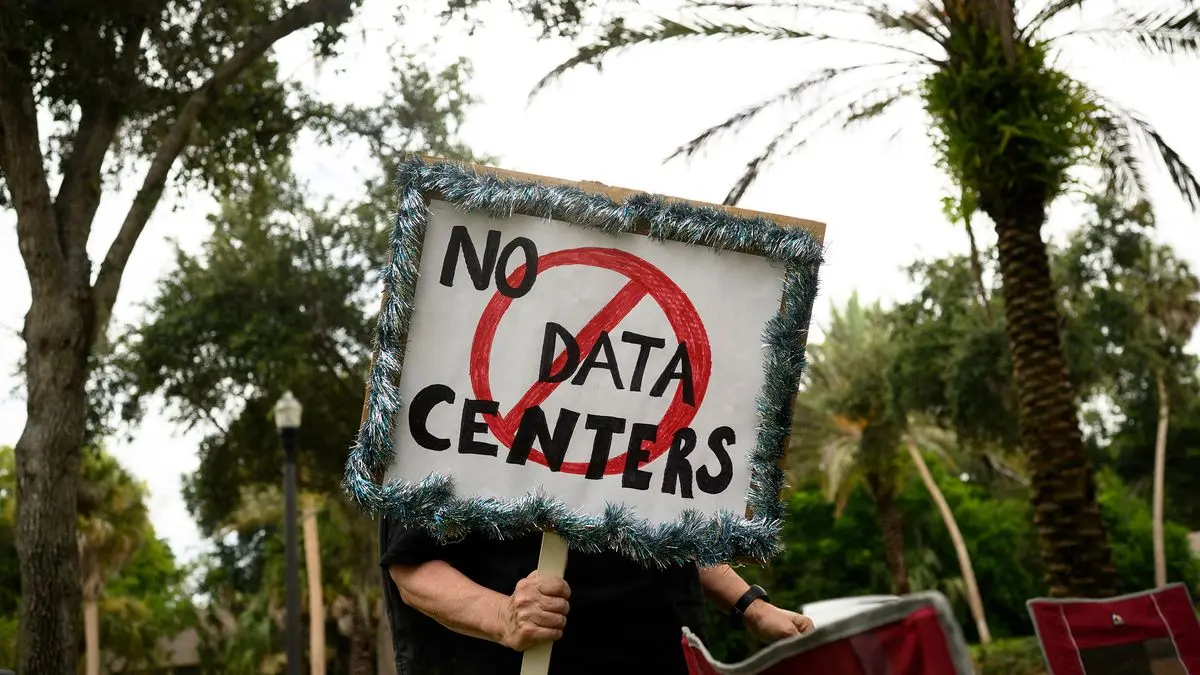
A new wave of criticism has erupted against Google and Microsoft over their plans to build AI data centers in Finland. The projects, announced earlier this year, involve large-scale land use that critics argue threatens the country's forests and biodiversity. Environmental groups say the developments could destroy up to 300 hectares of forest, while the companies claim they are adopting nature‑inspired designs to minimize impact.
Breaking news
 Town AI Secures $108 Million Series B, Valued at $1 Billion After $55 M Pre‑Series
 Apple Prepares for Major Product Launch Event on October 28
 Apple Releases Release Candidates for watchOS, tvOS and visionOS 27.2
 Apple Limits iPhone Duo and iPhone 18 Pro Max to Reservation-Only Sales in Japan and South Korea
Both tech giants have outlined ambitious plans to expand their AI infrastructure. Google intends to construct a new data center in the Karelia region, while Microsoft is developing 20 facilities across the country. The Finnish government has granted permits, citing economic benefits and the growing demand for AI services. However, the environmental cost has become a focal point for activists and local communities.
„Lipstick on a Pig”: Microsoft’s Nature‑Inspired Design Debate
The Karelia project alone would clear roughly 300 hectares of old-growth forest, a habitat home to numerous endangered species. Critics argue that this loss of forest cover would have cascading effects on carbon sequestration, water regulation, and wildlife corridors. Local residents have expressed concerns about the potential for increased logging activity and the resultant habitat fragmentation. The Finnish environmental watchdog has called for a comprehensive impact assessment before any construction proceeds.
Google has defended its approach by highlighting its commitment to renewable energy and energy‑efficient designs. The company claims that the new data center will be powered entirely by hydroelectric power, with advanced cooling systems that reduce water usage. However, opponents point out that the sheer scale of the project may still outweigh the benefits, especially if the forest loss leads to long‑term ecological damage.
What Happens if the Projects Proceed?
Microsoft’s strategy has drawn a different kind of criticism. The company has promoted its „nature‑inspired” architecture, which includes biomimetic cooling and building shapes that mimic natural forms. Critics argue that these aesthetic choices are superficial and do not address the core issue of land use. The phrase „lipstick on a pig” has become a shorthand for the perceived dissonance between Microsoft’s green rhetoric and the environmental cost of its data centers.
The company’s spokesperson maintains that the design reduces energy consumption by up to 30% compared to conventional data centers. They also note that the facilities will be integrated into existing infrastructure, minimizing additional land disturbance. Despite these assurances, environmentalists remain skeptical, citing the lack of transparent data on actual energy savings and the potential for unforeseen ecological impacts.
If the projects move forward, Finland could see a significant increase in its AI infrastructure footprint. While the companies promise economic growth and job creation, the environmental trade‑offs may outweigh these benefits. The loss of forested areas could undermine Finland’s climate goals, as trees play a critical role in carbon capture. Moreover, the increased demand for water and electricity could strain local resources, potentially leading to conflicts with conservation efforts.
Frequently Asked Questions
The debate also raises broader questions about the responsibility of tech giants in balancing innovation with environmental stewardship. As AI continues to expand globally, similar conflicts may arise in other countries, prompting a reevaluation of how data centers are planned and built.
Q: Could the projects affect Finland’s climate goals? A: Yes. Removing 300 hectares of forest reduces carbon sequestration capacity, potentially undermining Finland’s commitments to reduce greenhouse gas emissions and protect biodiversity.
