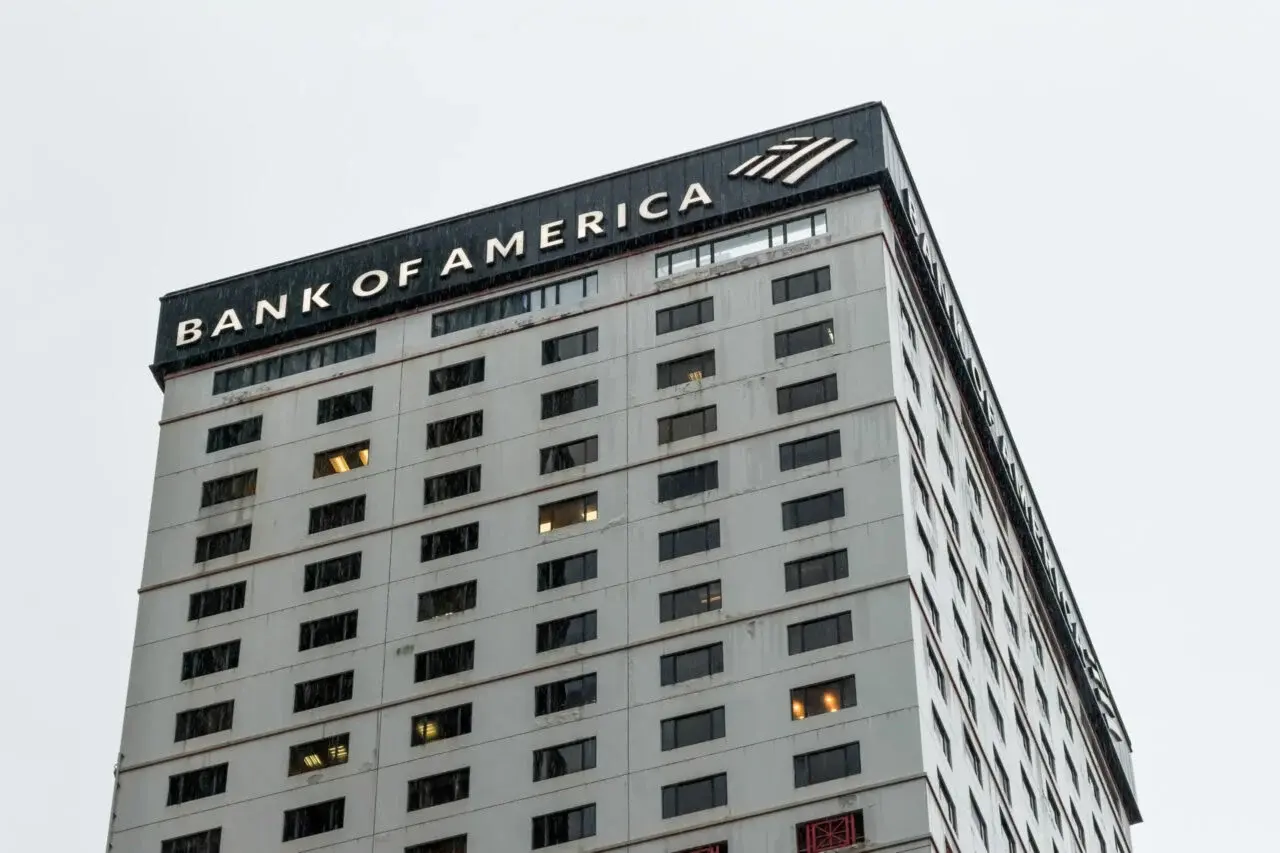
AI Agents May Blur the Line Between Recommendation and Transaction
Six leading banks, including Bank of America and Capital One, released a joint report on Tuesday highlighting growing concerns over „agentic commerce.” The study warns that as artificial‑intelligence assistants gain more autonomy in online shopping, they could amplify problems related to transparency, safety, privacy, data handling, consumer choice, and system interoperability.
Breaking news
 Canonical’s Web Presence Hit by Second DDoS Assault This Year
 Loops AI Secures $3.5 Million to Power a New AI Operating System for E‑Commerce
 Winverse AI Secures Tens of Millions in Seed Funding from DeepSeek and Long‑Z
 Google Adds Pixel 9 Series to Certified Refurbished Store
The banks argue that AI‑driven shopping assistants—software that can browse, compare prices, and complete purchases on behalf of users—are still in early stages, yet their rapid adoption may outpace existing consumer‑protection frameworks. They cite recent experiments where bots placed orders without clear user consent, leading to unauthorized charges and disputes. The report calls for stricter standards for developers, retailers, and payment processors to safeguard shoppers and maintain trust in digital commerce.
When an AI assistant suggests a product, users often assume it is merely a recommendation. The banks note that many agents now have the capability to finalize purchases with a single command, blurring that line. „Consumers may not realize that a voice command or a chat prompt can trigger a binding transaction,” said a senior analyst at Capital One.
Will Regulators Step In to Tame AI‑Driven Shopping?
Data from the report shows a 30 % rise in disputed charges linked to AI‑mediated purchases over the past year. The banks attribute this surge to insufficient disclosure about who is authorizing the transaction and how personal data is shared with merchants. They also warn that AI agents could be hijacked by fraudsters to execute large‑scale scams, exploiting the trust users place in these tools.
The banks urge regulators to update existing e‑commerce rules to cover AI agents explicitly. They recommend mandatory transparency disclosures, real‑time consent verification, and robust authentication mechanisms before an AI can complete a sale. „Without clear guidelines, we risk a wave of fraud that could erode confidence in online shopping altogether,” the report states.
Industry groups have responded cautiously, acknowledging the need for safeguards while emphasizing the potential benefits of AI assistants for convenience and accessibility. Some retailers are already piloting consent screens that require users to confirm each purchase, but adoption remains uneven.
If the warnings go unheeded, the financial sector could see a spike in chargebacks and legal challenges, pressuring banks to tighten fraud‑prevention tools and potentially raising costs for consumers. Conversely, proactive regulation could foster a safer environment, encouraging responsible AI innovation and preserving the growth trajectory of digital commerce.
Frequently Asked Questions
What is „agentic commerce”? It refers to shopping experiences where AI agents act autonomously, browsing, comparing, and completing purchases without direct human input for each step.
How can consumers protect themselves from AI‑related fraud? Users should review consent settings, enable multi‑factor authentication, and monitor account statements for unauthorized transactions.
Will new regulations likely affect how AI assistants operate? Experts expect tighter rules on transparency and authentication, which could require AI platforms to obtain explicit user approval before finalizing any purchase.

