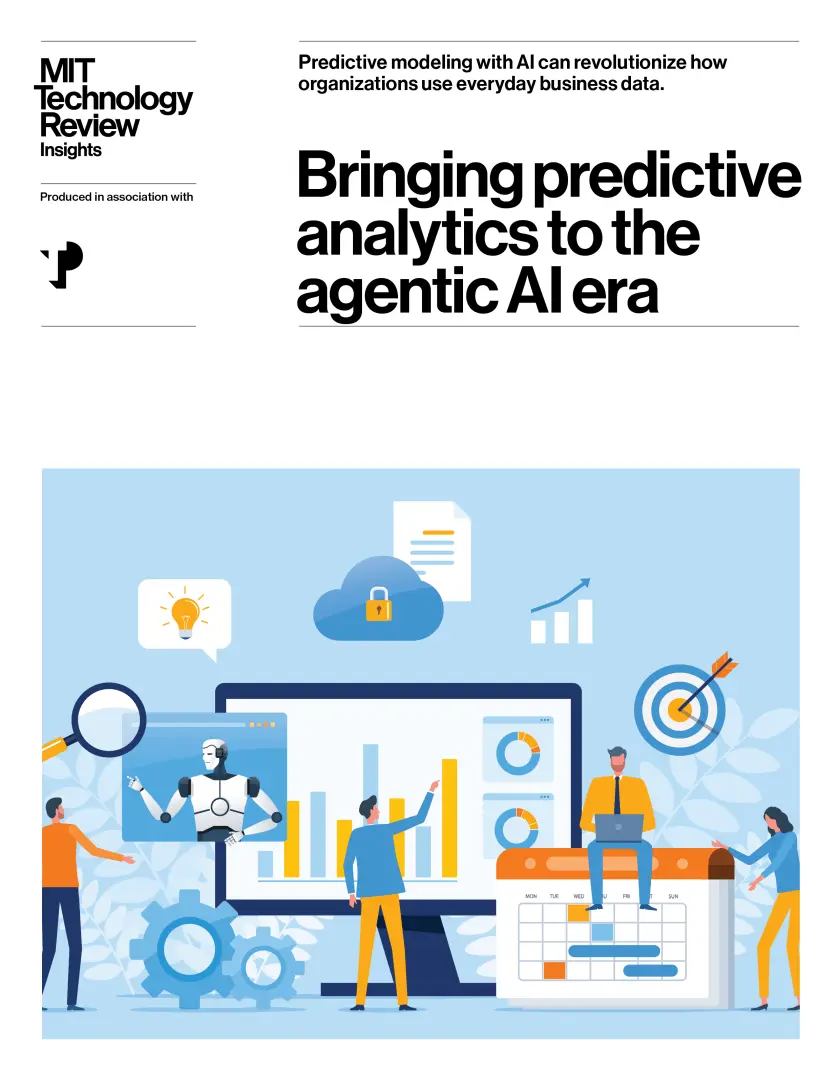
MIT Technology Review Insights highlights that the true value lies not in
In 2026, enterprise AI has moved beyond basic automation as organizations increasingly deploy predictive models to anticipate market shifts, customer behavior, and operational risks. The focus has shifted from whether AI can outperform static forecasting to how deeply these capabilities are integrated into decision-making workflows. This evolution is driven by advances in agentic AI systems that act autonomously based on real-time data insights. Predictive modeling powered by AI is transforming how businesses leverage everyday data streams, turning historical patterns into forward-looking actions. Rather than relying on periodic reports, companies now use continuous learning algorithms that adapt to changing conditions, enabling proactive responses to supply chain disruptions, demand fluctuations, and financial exposures.
Breaking news
 Canonical’s Web Presence Hit by Second DDoS Assault This Year
 Loops AI Secures $3.5 Million to Power a New AI Operating System for E‑Commerce
 Winverse AI Secures Tens of Millions in Seed Funding from DeepSeek and Long‑Z
 Google Adds Pixel 9 Series to Certified Refurbished Store
MIT Technology Review Insights highlights that the true value lies not in prediction accuracy alone, but in closing the loop between insight and automated action. How Agentic Systems Are Reshaping Forecasting Workflows Unlike traditional analytics tools that require human interpretation, agentic AI platforms can initiate actions based on predictive outputs—such as adjusting inventory levels or rerouting logistics—without manual intervention. These systems combine machine learning models with rule-based governance to ensure decisions align with corporate objectives and risk thresholds. Early adopters report reduced latency in response times and fewer instances of overstock or stockout scenarios, particularly in volatile industries like retail and manufacturing. What Safeguards Are Needed for Autonomous Predictive Decisions? As AI agents gain authority to act on forecasts, concerns about accountability and transparency grow. Organizations are implementing explainability layers and audit trails to trace how predictions translate into actions, ensuring compliance with internal controls and regulatory expectations.
Human oversight remains critical for high-stakes decisions, with many firms adopting hybrid models where AI recommends actions but humans approve exceptions beyond predefined thresholds. Frequently Asked Questions How does predictive analytics in agentic AI differ from traditional forecasting? Traditional forecasting relies on static models updated periodically, while agentic AI uses continuously learning systems that trigger autonomous actions based on real-time predictions, reducing latency and increasing responsiveness. What industries are seeing the earliest benefits from this integration? Retail, logistics, and financial services are leading adopters, using predictive agentic systems to optimize inventory, manage risk, and personalize customer interactions at scale. Can small businesses implement agentic predictive analytics without large data teams? Yes, cloud-based platforms now offer pre-built agentic frameworks with modular predictive models, allowing smaller organizations to deploy capabilities without developing AI expertise in-house.

