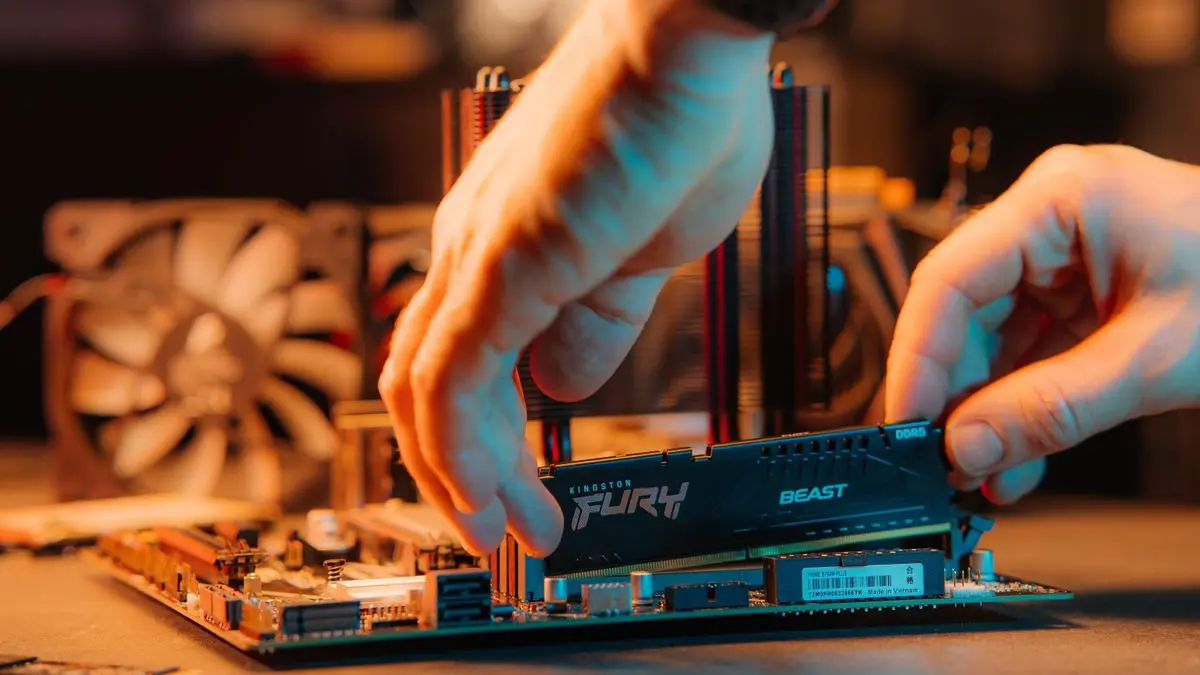
Strategic Preservation of Existing Infrastructure
A new industry survey reveals that 57 percent of UK organizations are choosing to maintain older technology rather than replacing it entirely. As companies scale their operations to accommodate artificial intelligence, many leaders are opting to upgrade existing infrastructure. This shift marks a significant departure from the traditional rip and replacestrategy that dominated corporate IT for decades.
Breaking news
 Town AI Secures $108 Million Series B, Valued at $1 Billion After $55 M Pre‑Series
 Apple Prepares for Major Product Launch Event on October 28
 Apple Releases Release Candidates for watchOS, tvOS and visionOS 27.2
 Apple Limits iPhone Duo and iPhone 18 Pro Max to Reservation-Only Sales in Japan and South Korea
The trend reflects a broader move toward sustainable and cost-effective digital transformation. Instead of discarding functional equipment, IT departments are focusing on incremental improvements. This approach allows firms to integrate advanced software and AI capabilities without the massive capital expenditure and operational disruption associated with complete system overhauls.
The decision to retain legacy systems is often driven by the need for stability and reliability. Many businesses find that their current hardware remains robust enough to support modern workloads when paired with strategic software updates. By extending the lifespan of these assets, organizations can preserve their existing workflows while gradually introducing new technology.
Is Total System Replacement Becoming Obsolete?
Industry experts suggest that this strategy helps mitigate the risks of large-scale migration projects. Replacing core systems often leads to unexpected downtime and compatibility issues. By choosing to modernize, firms maintain continuity while building the necessary capacity for future technological demands.
The shift toward modernization challenges the long-standing belief that newer hardware is always superior. As AI integration becomes a priority, the focus has moved from hardware replacement to software agility. Many companies now view their legacy systems as foundational layers that can be optimized rather than obstacles to be removed.
Frequently Asked Questions
This trend suggests a future where IT lifecycles are significantly longer. While rip and replacemay still be necessary for specific hardware failures, the preference for upgrading indicates a more pragmatic approach to corporate technology. Businesses are prioritizing long-term value and operational efficiency over the constant pursuit of the latest physical equipment.
Why are businesses moving away from replacing hardware? Many companies prefer upgrading because it reduces costs and avoids the operational risks of total system migrations. It allows for the integration of AI tools without disrupting established workflows.
Does keeping legacy systems limit AI adoption? Not necessarily. Organizations are finding that older hardware can often support modern software enhancements. This allows them to scale their AI capabilities while maintaining the stability of their existing infrastructure.
