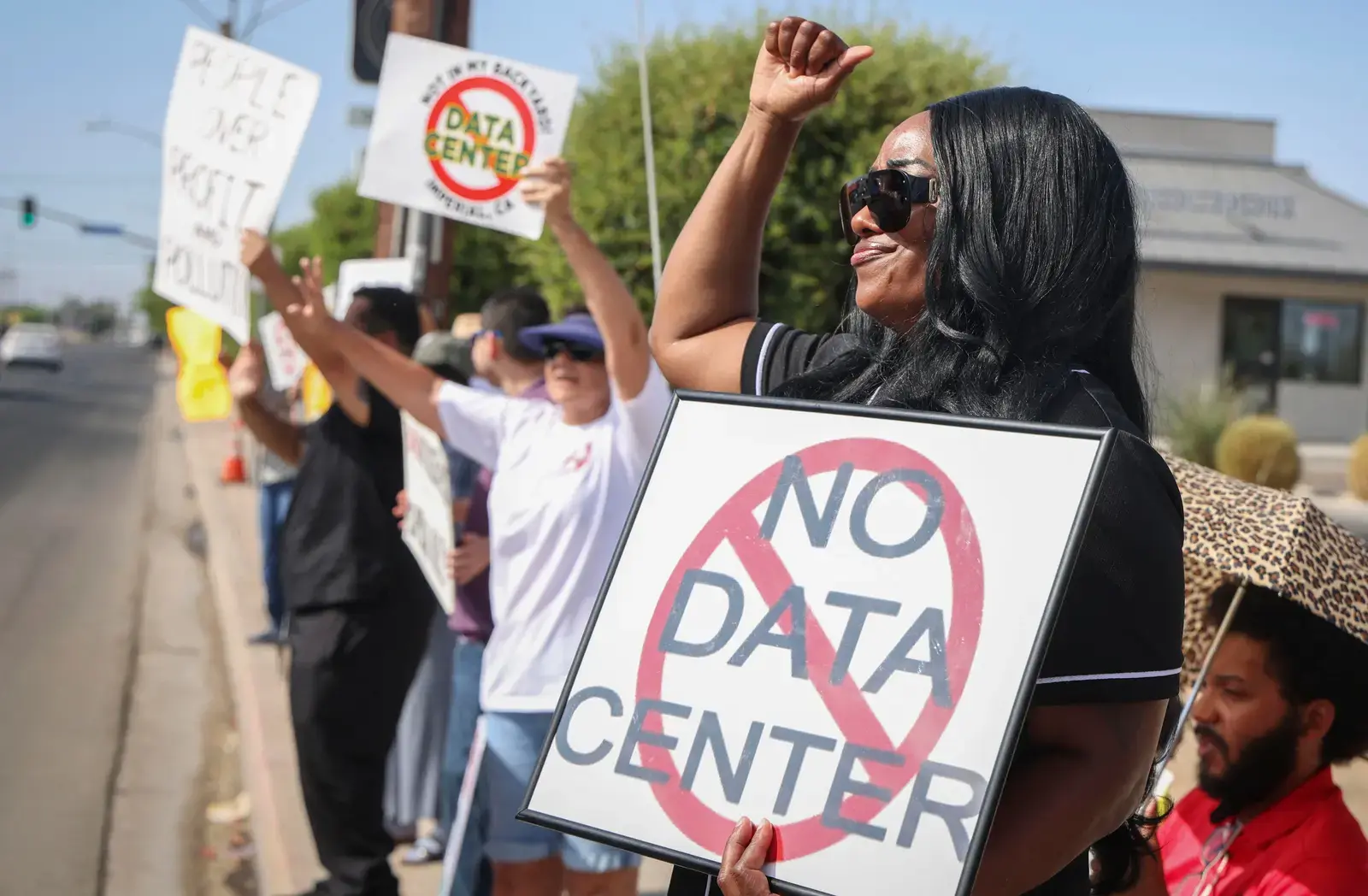
Supporters argue the measures promote fairness and transparency
California Governor Gavin Newsom has signed seven new bills aimed at preventing AI data centers from shifting utility costs to residents, as reported by the Los Angeles Times. The legislation requires the California Public Utilities Commission to create a new rate classification specifically for data centers and mandates that these facilities cover the costs of necessary grid and infrastructure upgrades. The move comes amid growing concerns over the rising energy and water demands of large-scale AI operations across the state. The new laws are designed to ensure that the rapid expansion of AI infrastructure does not place an unfair financial burden on California households and small businesses. By establishing a distinct utility rate class, regulators can more accurately assess and allocate the costs associated with the high power and cooling demands of data centers.
Breaking news
 Chinese Firms Secure Over One Million Nvidia Graphics Cards for AI Development
 Accenture Market Cap Surges to $130B Ahead of Investor Day
 Paris Startup Naboo Rebrands to Target Finance and Procurement Teams
 Improving Data Integrity in Automated Document Processing
Supporters argue the measures promote fairness and transparency, while critics warn they could slow investment in the state’s growing tech sector. The bills also include provisions for studying water usage, as AI data centers consume significant amounts for cooling systems. How Will the New Rate Classification Work? The California Public Utilities Commission will now develop a tailored rate structure for data centers, separating their utility consumption from residential and commercial customers. This classification will allow for more precise billing based on actual energy and water use, potentially including time-of-use rates and demand charges.
The goal is to prevent cost-shifting
The goal is to prevent cost-shifting, where infrastructure upgrades driven by data center demand are funded through higher rates for ordinary consumers. What Impact Could This Have on AI Development in California? While the laws aim to protect ratepayers, some industry analysts question whether stricter utility rules might discourage companies from building or expanding data centers in California. Proponents counter that sustainable growth requires accountability, and that the state can remain a leader in AI innovation while enforcing responsible resource use. The legislation may encourage investment in energy-efficient technologies and alternative cooling methods to reduce operational footprints. Frequently Asked Questions Why did California target AI data centers specifically? AI data centers have seen rapid growth and consume vast amounts of electricity and water for computing and cooling, prompting concerns about their impact on local utilities and residents’ bills. Will these laws affect existing data centers?
The bills primarily apply to new or expanding facilities, though the CPUC may review existing operations when determining future infrastructure needs and cost allocations. How will water use be addressed under the new laws? One of the signed bills requires a study on AI data center water consumption, particularly for cooling, to inform future regulations on sustainable resource use in the sector.