The CPU-GPU Balance
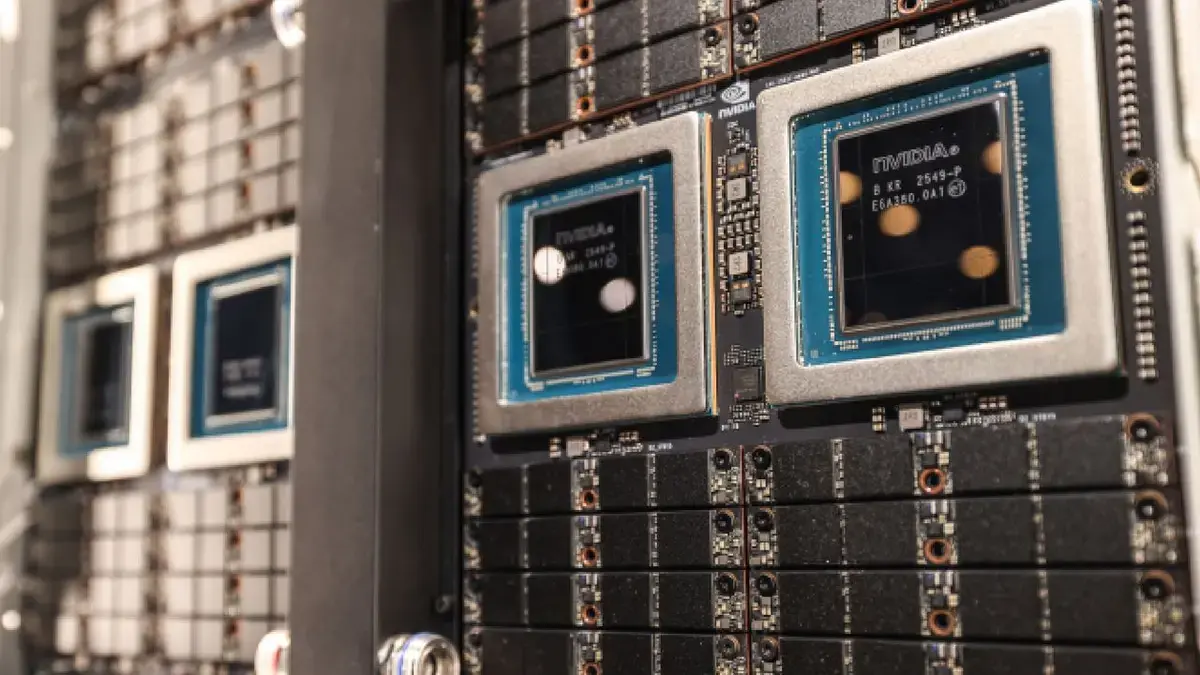
The AI boom has shifted focus to a new constraint: data center CPUs. Demand has surged, driven by AI applications. Hyperscalers are struggling to meet this demand. The issue is becoming increasingly pressing.
Breaking news
 Canonical’s Web Presence Hit by Second DDoS Assault This Year
 Loops AI Secures $3.5 Million to Power a New AI Operating System for E‑Commerce
 Winverse AI Secures Tens of Millions in Seed Funding from DeepSeek and Long‑Z
 Google Adds Pixel 9 Series to Certified Refurbished Store
While GPUs have been the center of attention, CPUs remain crucial. They handle tasks such as data processing and system management. AI workloads rely heavily on these tasks. As a result, CPU demand has skyrocketed.
A balanced ratio of CPUs to GPUs is vital for efficient AI processing. Too few CPUs can bottleneck the system, hindering GPU performance. Hyperscalers must carefully plan their infrastructure to avoid this issue. Industry experts emphasize the importance of this balance.
Can Hyperscalers Keep Up?
The CPU-to-GPU ratio is more critical than ever. As AI models become increasingly complex, they require more CPU resources. This shift is driving up demand for high-performance CPUs. Companies are responding by developing more powerful processors.
Hyperscalers face significant challenges in meeting the growing demand for CPUs. They must invest in new infrastructure and optimize their systems. The consequences of failure could be severe, leading to decreased performance and increased costs.
As the AI industry continues to evolve, the demand for CPUs will remain a critical issue. Hyperscalers must adapt to this new reality to remain competitive.
Frequently Asked Questions
What is driving the surge in CPU demand? The massive growth of AI applications is driving up demand for data center CPUs, as they are essential for handling AI workloads.
Why is the CPU-to-GPU ratio important? A balanced ratio is crucial for efficient AI processing, as too few CPUs can bottleneck the system and hinder GPU performance.
How are hyperscalers responding to the CPU demand? Hyperscalers are investing in new infrastructure and optimizing their systems to meet the growing demand for high-performance CPUs.