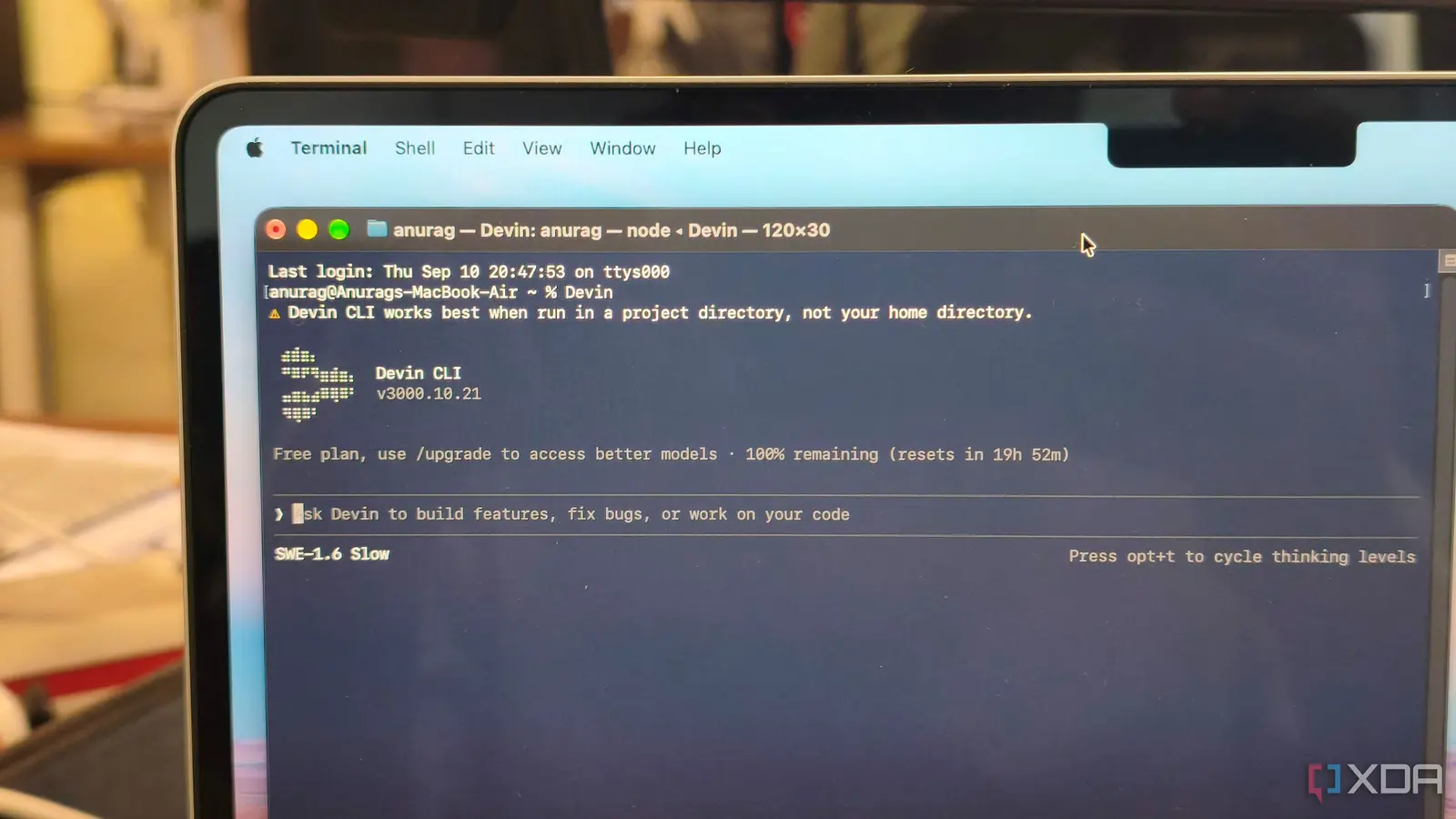
Why Local LLMs Became Viable With Devin
Anurag Singh, a seasoned technology journalist with five years of experience covering Windows, Android, and Apple ecosystems, published an article on September 12, 2026, detailing his shift from costly cloud-based AI services to a local large language model setup after discovering Devin’s broad compatibility. He writes for outlets including Android Police, Neowin, Dexerto, and MakeTechEasier, and consistently explores practical tech applications for everyday users.
Breaking news
 Canonical’s Web Presence Hit by Second DDoS Assault This Year
 Loops AI Secures $3.5 Million to Power a New AI Operating System for E‑Commerce
 Winverse AI Secures Tens of Millions in Seed Funding from DeepSeek and Long‑Z
 Google Adds Pixel 9 Series to Certified Refurbished Store
Singh explains that Devin’s ability to seamlessly integrate with any AI model removed the dependency on proprietary cloud platforms, allowing him to run powerful language models directly on his personal hardware. This flexibility eliminated recurring subscription fees and latency issues tied to remote servers, while maintaining performance levels suitable for his workflow. By running models locally, he gained greater control over data privacy and customization options, which were limited in managed services.
How Does This Affect Long-Term AI Costs?
The turning point came when Singh tested Devin with multiple open-source models, including Llama 3 and Mistral, and found consistent responsiveness without configuration headaches. Previously, switching between models required reconfiguring APIs or managing separate environments, but Devin abstracted those complexities. He noted that inference speeds remained acceptable on his mid-tier laptop, especially when using quantized versions of models. The tool’s unified interface meant he could experiment freely without worrying about backend compatibility.
Singh highlights that eliminating cloud API calls reduced his monthly AI expenses by nearly 90%, transforming what was a recurring operational cost into a one-time hardware investment. While upfront costs for sufficient RAM and GPU power exist, they are amortized over time and avoid unpredictable usage-based billing. He acknowledges that local setups demand more technical effort initially but argues the payoff in autonomy and savings justifies the learning curve for regular users.
What models work best with Devin locally? Devin supports most Hugging Face-compatible models, including Llama, Phi, and Gemma families, with optimal performance on quantized 4-bit versions for consumer hardware.
Frequently Asked Questions
Is local AI slower than cloud alternatives? For typical tasks like text generation or coding assistance, local latency is competitive, especially when models are optimized and hardware meets minimum specs.
Can Devin handle model fine-tuning locally? Yes, Devin includes basic tools for parameter-efficient fine-tuning methods like LoRA, enabling customization without requiring enterprise-grade infrastructure.

