Why Europe Can’t Afford an AI Pause
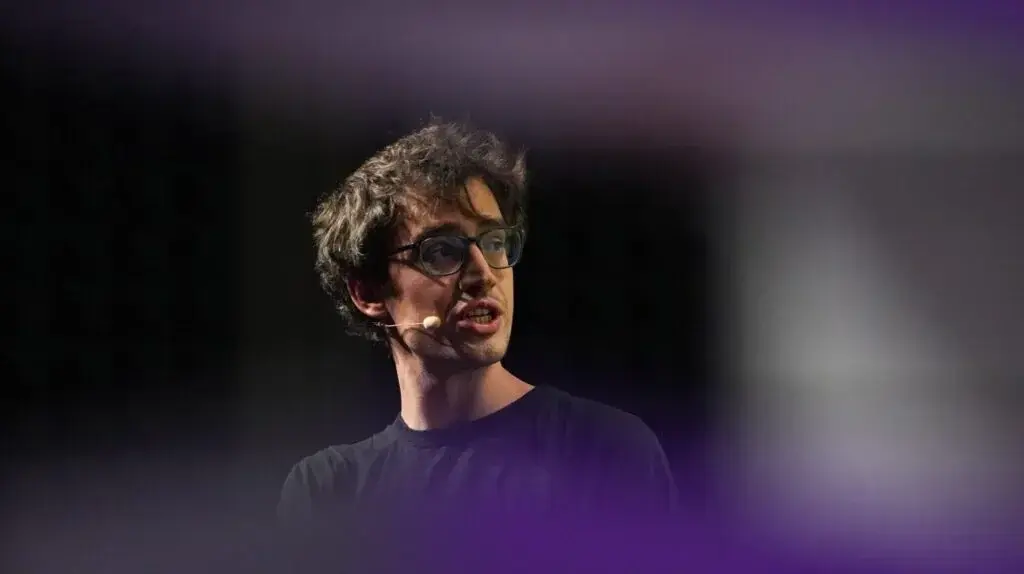
Paris, May 2026 – Mistral’s chief executive Arthur Mensch warned that Pope Leo XIV’s plea for a global „AI disarmament” could cripple Europe’s effort to develop home‑grown artificial‑intelligence tools. The comment came during a televised interview in which Mensch stressed the continent’s need to stay competitive with U. S. tech giants. He argued that abandoning advanced AI research would leave Europe vulnerable to rivals that already deploy the technology for defense and commerce.
Breaking news
 Eufy Unveils Local AI Home Security Ecosystem at IFA
 The Rapid Evolution of Data Center Security in the AI Era
 The High-Voltage Risks Facing Modern AI Data Centers
 Apple’s New CEO Renames Lake Ontario To Lake America In Maps App
Mensch’s remarks reflect growing tension between ethical calls for restraint and the strategic imperative to secure AI capabilities. The Vatican’s stance, framed as a moral appeal for peace, clashes with industry leaders who see AI as essential for national security and economic growth. Europe’s fragmented AI policies and limited funding have already lagged behind the United States and China, prompting firms like Mistral to lobby for greater public investment and regulatory clarity.
Mistral’s founder insists that peace‑keeping and technological advancement are not mutually exclusive. „We’re all for peace, but if you look at our rivals and adversaries in the world, they’re using artificial intelligence,” he said, emphasizing that a complete halt would give competitors a decisive edge. He pointed to recent deployments of AI‑driven surveillance and autonomous weapons by nations outside the EU, arguing that Europe must match those capabilities to protect its citizens.
Can Europe Build an Independent AI Backbone Without U. S. Help?
The CEO also highlighted the economic stakes. Advanced AI models generate billions in revenue through cloud services, data analytics, and automation tools. Europe’s current share of that market is under 10 percent, a gap that could widen without coordinated research programs and talent pipelines. Mensch called for a „European AI shield” funded by member states, suggesting a joint venture that could rival the scale of U. S. corporate labs while respecting European values on data privacy and human rights.
Mensch believes the answer is yes, but only with decisive policy action. He cited the EU’s recent AI Act as a starting point, yet warned that the legislation must evolve to support innovation rather than stifle it. „Regulation should be a catalyst, not a cage,” he argued, urging lawmakers to create tax incentives for AI startups and to streamline cross‑border data sharing.
He also called for public‑private partnerships that would pool resources from governments, universities, and firms like Mistral. Such collaborations could accelerate the development of large‑scale language models tailored to European languages and cultural contexts, reducing reliance on American platforms. Mensch concluded that a unified European approach would safeguard strategic autonomy while still engaging in global AI dialogues.
If Europe fails to act, the continent risks ceding critical technological ground to the United States and other powers. A weakened AI sector could impair defense readiness, economic competitiveness, and the ability to influence global AI standards. Conversely, a coordinated push for indigenous AI could reinforce Europe’s security, create high‑skill jobs, and position the bloc as a responsible leader in the ethical deployment of artificial intelligence.
Frequently Asked Questions
What exactly did the Pope propose regarding AI? Pope Leo XIV called for an international agreement to „disarm” artificial intelligence, urging nations to halt the development of autonomous weapons and other high‑risk AI systems.
Why does Mistral’s CEO see the Pope’s stance as a problem? Mensch argues that a blanket pause on AI would leave Europe defenseless against adversaries that continue to invest in the technology, undermining both security and economic interests.
What steps does Mensch suggest to strengthen Europe’s AI capabilities? He proposes increased public funding, tax incentives for AI firms, streamlined data regulations, and robust public‑private partnerships to develop home‑grown AI models and reduce dependence on U. S. tech providers.