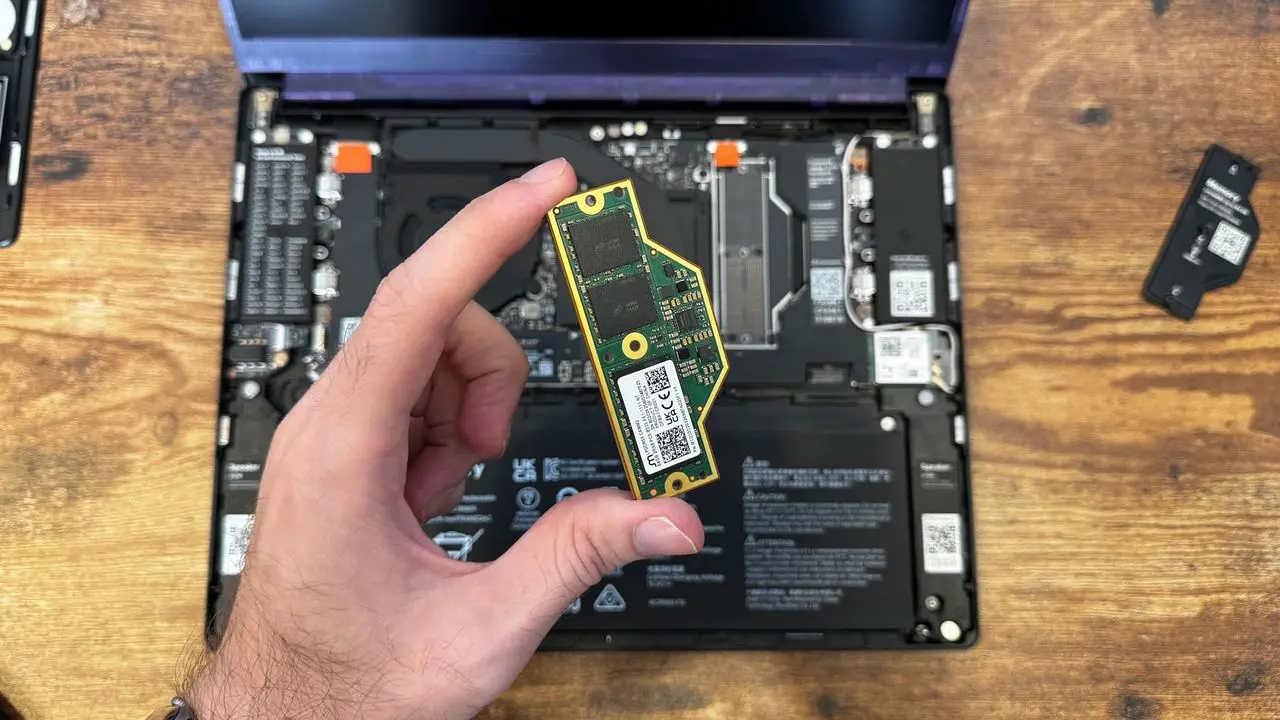
Rising Costs Force Redesign of Consumer Devices
The Dutch smartphone maker reports a dramatic shift in component costs. Memory chips now account for sixty percent of total material expenses. This surge stems directly from the global AI infrastructure boom. Smaller manufacturers face severe pressure to adapt their production lines. The company highlights that this trend is fundamentally altering how consumer electronics are constructed today.
Breaking news
 Does the iPhone 18 Pro support longer battery life than the iPhone 17 Pro? Yes, the larger battery and more efficient chip provide roughly 20‑30% more endurance compared to the previous generation
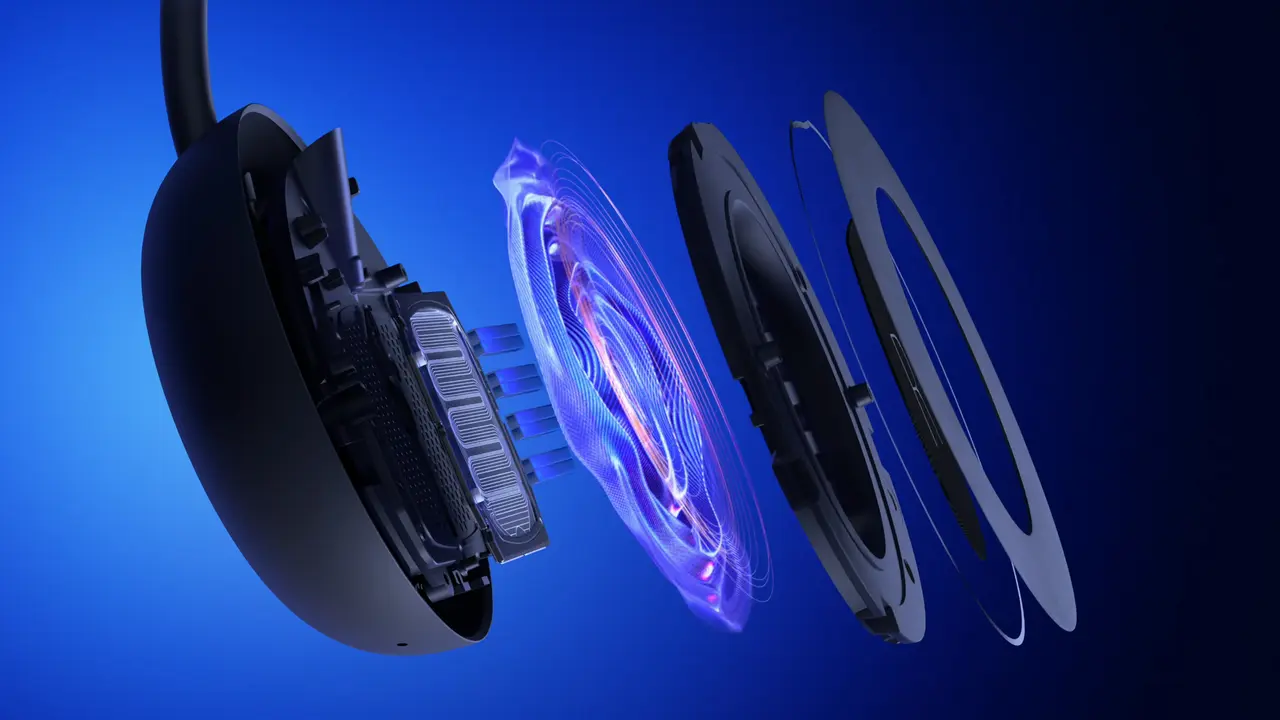 Sony Unveils Two New PlayStation Pulse Headsets With Planar Drivers
 EU Proposes Ban on Social Media for Under‑13s and Restricts Chatbot Use
 Fire Emblem: Fortune’s Weave Captivates Players With Deep Tactical Mastery
Smaller laptop and phone makers are struggling to maintain profit margins. Limited availability of high-speed memory modules has forced many to rethink product specifications. Companies can no longer rely on standard component sourcing strategies. Instead, they must negotiate complex long-term contracts or accept higher prices. The scarcity is not just about price; it is about physical supply constraints. Many firms report difficulty securing enough units for planned production volumes. Consequently, some brands are reducing the amount of RAM included in entry-level models. Others are delaying new product launches until supply stabilizes. The financial burden falls heavily on independent brands without massive purchasing power. Large tech giants can absorb these shocks more easily through bulk deals. Smaller players lack this leverage, making every percentage point of cost increase critical.
How Do Manufacturers Verify Authenticity Amidst Shortages?
A secondary crisis has emerged alongside the price hike. Fake memory chips are flooding the market as suppliers try to meet demand. Fairphone notes that testing for counterfeit components has become a mandatory step in quality control. Engineers must verify that chips match their advertised speed and capacity. This adds significant time and labor to the assembly process. A single batch of defective or fake modules can halt an entire production line. Brands are now investing in advanced diagnostic tools to catch fakes early. The risk of shipping faulty devices to customers has increased substantially. Trust in the supply chain is eroding as verification processes grow more complex.
Why is AI causing a memory shortage? Data centers require massive amounts of high-bandwidth memory to run large language models. This intense demand pulls chips away from consumer electronics manufacturers. The result is a global scarcity that drives up prices for phones and laptops.
Frequently Asked Questions
What percentage of costs does memory represent now? According to Fairphone, memory chips make up sixty percent of total material costs. This is a significant jump from previous years when processors dominated the budget. The shift forces companies to cut costs elsewhere to remain competitive.
How are smaller brands responding to fake chips? Manufacturers are implementing rigorous testing protocols before assembly. They use specialized software to validate chip performance and authenticity. This extra step ensures that final products meet quality standards despite supply chain chaos.