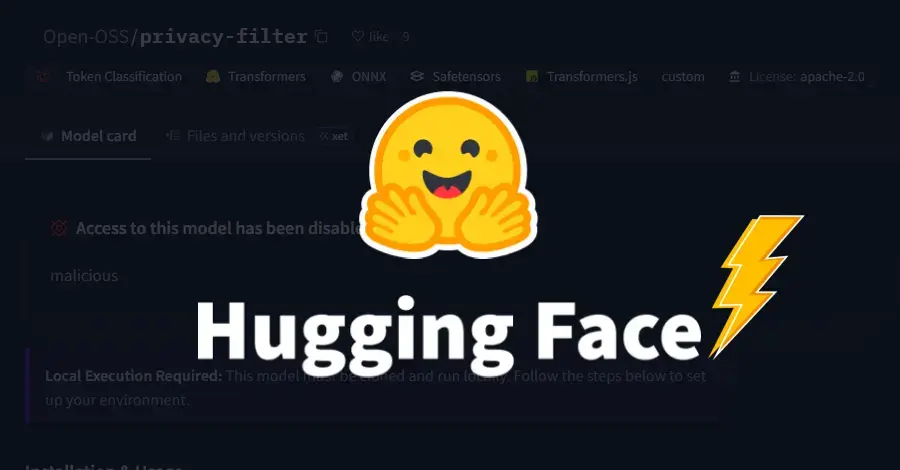
How the Impersonation Worked
A fraudulent repository on Hugging Face has climbed to the top of the trending list. This project, which mimics OpenAI's Privacy Filter model, was discovered on May 11, 2026. It has attracted over 244,000 downloads, posing a significant risk to unsuspecting users.
Breaking news
 Town AI Secures $108 Million Series B, Valued at $1 Billion After $55 M Pre‑Series
 Apple Prepares for Major Product Launch Event on October 28
 Apple Releases Release Candidates for watchOS, tvOS and visionOS 27.2
 Apple Limits iPhone Duo and iPhone 18 Pro Max to Reservation-Only Sales in Japan and South Korea
The deceptive repository, named Open-OSS/privacy-filter, was designed to look like a legitimate tool. Instead of providing privacy protection, it delivered a Rust-based information stealer targeting Windows systems. This incident highlights the vulnerabilities present in open-source platforms and the ease with which malicious actors can exploit them.
The malicious project cleverly imitated the branding and functionality of OpenAI's genuine Privacy Filter. Users looking for privacy solutions may have been unaware that they were downloading harmful software. Once installed, the information stealer could extract sensitive data from users' devices, leading to potential identity theft or data breaches.
Why Do Users Fall for Fake Repositories?
Experts in cybersecurity have raised concerns about the implications of this incident. The ease with which such a repository gained traction suggests a growing need for improved vetting processes on platforms like Hugging Face. Users are urged to exercise caution when downloading software from open-source repositories, particularly those that have not been thoroughly reviewed.
Many users trust popular platforms like Hugging Face, often assuming that trending projects are safe. The allure of a well-known name can overshadow the need for critical evaluation. As more individuals turn to open-source solutions, the potential for similar scams increases.
Cybersecurity professionals recommend implementing stricter guidelines for repository verification. Enhanced scrutiny could help prevent future incidents like this one, protecting users from malicious software disguised as reputable tools.
Frequently Asked Questions
The consequences of this breach extend beyond individual users. Organizations relying on open-source software may face reputational damage and financial losses if their systems are compromised. The incident serves as a stark reminder of the risks associated with the open-source community.
What should users do to avoid fake repositories? Users should verify the authenticity of repositories by checking for official endorsements and community reviews. It’s important to research the project's maintainers and look for any red flags.
How can platforms like Hugging Face improve security? Platforms can enhance security by implementing stricter verification processes for new repositories. Regular audits and community reporting mechanisms could also help identify and remove malicious projects promptly.