Can AI Replace Human Judgment in Courts?
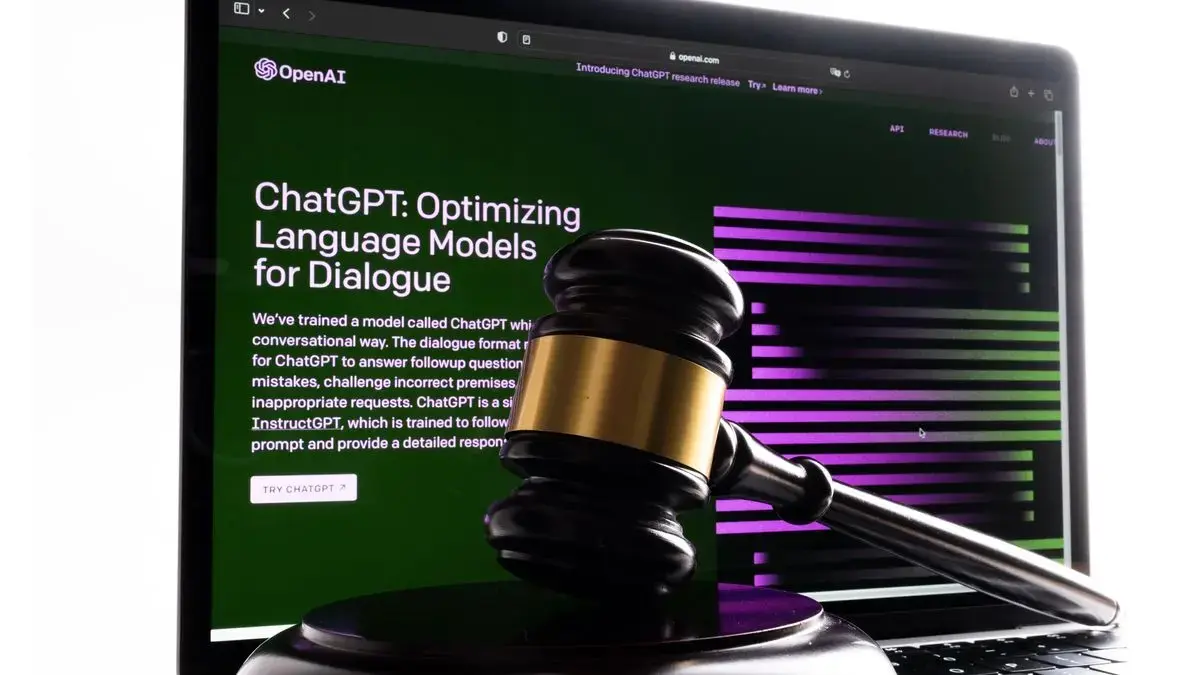
A U. S. federal court recently upheld a ruling that a judge, who allegedly relied entirely on artificial intelligence for a judicial decision, cannot be sued. This decision raises significant questions about the role of AI in the legal system and judicial accountability.
Breaking news
 Town AI Secures $108 Million Series B, Valued at $1 Billion After $55 M Pre‑Series
 Apple Prepares for Major Product Launch Event on October 28
 Apple Releases Release Candidates for watchOS, tvOS and visionOS 27.2
 Apple Limits iPhone Duo and iPhone 18 Pro Max to Reservation-Only Sales in Japan and South Korea
The case centered on a judge who reportedly delegated the entirety of a ruling to AI technology. Critics argue this undermines the integrity of the judicial process. Despite these concerns, the court affirmed the principle of judicial immunity, which protects judges from lawsuits related to their official duties. This ruling suggests that judges can utilize AI tools without facing legal repercussions, as long as they do not act outside their judicial capacity.
The use of AI in legal proceedings has sparked intense debate. Proponents argue that AI can enhance efficiency and reduce biases, while opponents worry it may compromise the quality of justice. In this case, the judge's reliance on AI raised alarms about whether such practices could become commonplace. Legal experts stress that while AI can assist in research and analysis, it should not replace human judgment in making legal decisions.
What Are the Legal Implications of AI in Judgments?
The ruling has implications for future cases involving AI in the courtroom. As technology continues to evolve, the legal system must grapple with its integration. Critics of the decision fear it sets a dangerous precedent, potentially allowing judges to evade responsibility for their rulings.
The court's decision reinforces the idea that judges are shielded from accountability, even when using AI. This could lead to a scenario where judges may feel emboldened to rely on AI without adequate oversight. Legal analysts warn that this could diminish public trust in the judicial system.
Frequently Asked Questions
The future of AI in the courtroom remains uncertain. As technology advances, it is crucial for lawmakers and judicial bodies to establish clear guidelines on the acceptable use of AI. The balance between efficiency and accountability must be carefully managed to ensure justice is served.
Can judges use AI in their rulings? Yes, judges can use AI tools, but they must ensure that human judgment remains central to the decision-making process.
What does judicial immunity mean in this context? Judicial immunity protects judges from lawsuits related to their official actions, even if those actions involve controversial practices like using AI.