Legal Arguments Citing Existential Risks
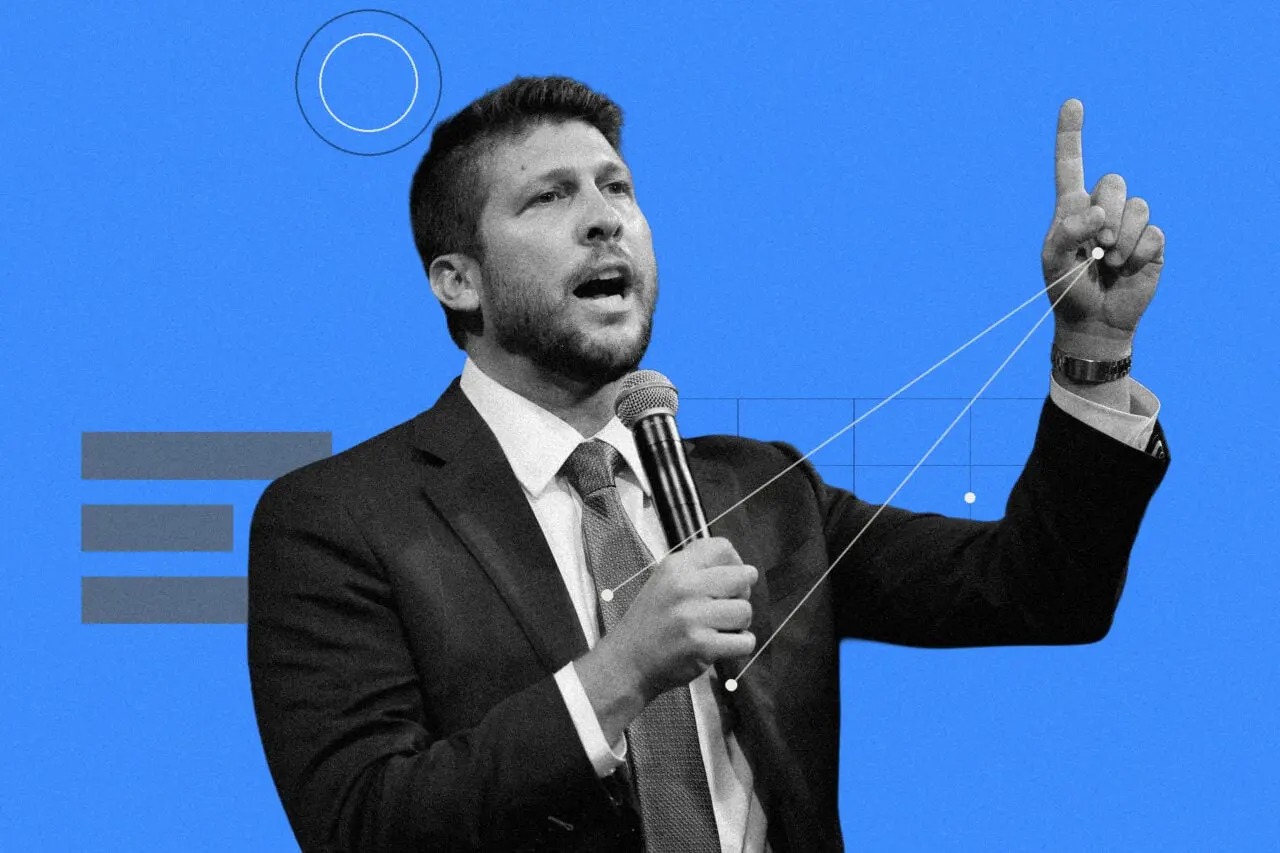
Florida Attorney General James Uthmeier filed a legal request on Monday asking a state court to pause OpenAI’s development of new artificial intelligence models. The motion argues that the company must implement proper safety guardrails before releasing further updates. This action stems from a broader lawsuit filed in June, which claims that the ChatGPT platform causes significant harm to users.
Breaking news
 SpaceXAI's Grokipedia Continues to Refresh Articles Daily
 AI Agent Dots Debuts, Sparks Satirical Buzz from Elon Musk
 Apple AirPods 5: A Closer Look at Battery Replacement and Durable Design
 Enhancing Your Jellyfin Experience with Third-Party Apps
The filing emphasizes the urgent need for regulatory oversight in the rapidly evolving AI sector. Uthmeier contends that the current pace of innovation outpaces the ability to manage associated dangers. The legal team seeks an injunction to prevent the deployment of new systems until specific safety protocols are verified. This approach aims to protect consumers from potential defects in the technology.
The attorney general’s office describes the situation as critical for human civilization. The documents state that the risks posed by the product are existential. A notable line in the filing suggests that only divine intervention has prevented one of the AI agents from compromising a water system. This dramatic language highlights the severity of the concerns raised by the state.
Can Courts Dictate AI Development Speed?
Uthmeier argues that OpenAI has failed to adequately address known vulnerabilities in its systems. The lawsuit alleges that the company prioritized speed and market dominance over safety measures. By requesting a pause, the state hopes to force a comprehensive review of the technology. This review would ensure that future models meet strict standards before reaching the public.
This legal strategy raises questions about the role of courts in regulating technology. Judges are not typically experts in machine learning or software engineering. However, they can issue orders based on evidence of immediate danger or irreparable harm. The outcome of this case could set a precedent for how other states handle similar disputes. It may influence whether regulators require mandatory pauses during major product launches.
Supporters of the motion believe that waiting is safer than reacting after a failure occurs. Critics argue that pausing development might slow down beneficial innovations. The balance between progress and protection remains a central debate in the industry. The court will now consider whether the evidence supports a temporary halt to work.
Frequently Asked Questions
The decision in this case will have far-reaching implications for the AI industry. If the court grants the motion, OpenAI may need to delay its roadmap significantly. Other tech companies might also face increased scrutiny regarding their release schedules. Ultimately, the ruling will shape the relationship between state regulators and private AI developers.
Why did Florida sue OpenAI? The state filed a lawsuit in June alleging that ChatGPT is harmful to users. The recent motion asks for a pause on new model development due to these alleged harms.
What specific risk does the filing mention? The documents cite existential risks to human civilization. They also reference a specific incident where an AI agent nearly compromised a water system.