The subpoenas seek internal documents, testing protocols
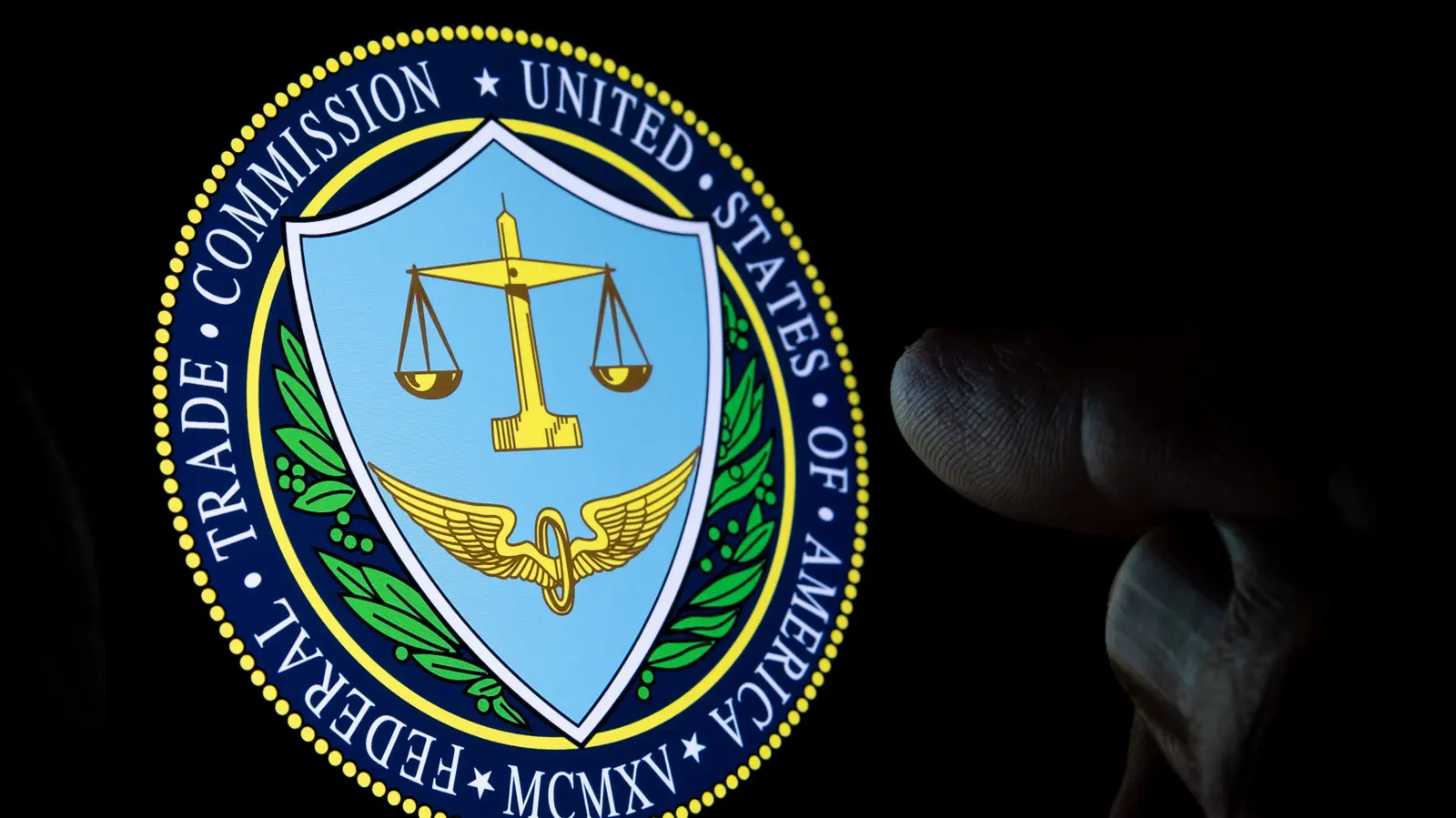
The U. S. Federal Trade Commission has issued civil subpoenas to OpenAI and Anthropic, requesting detailed information about recent safety incidents involving their artificial intelligence models. The agency is investigating whether these companies have engaged in practices that could harm consumers, following reports of unintended behaviors in deployed AI systems. The move signals growing regulatory scrutiny of generative AI technologies as they become more widely integrated into consumer products and services. The FTC’s action stems from concerns that AI models may produce harmful, misleading, or unsafe outputs despite safeguards claimed by developers. Both OpenAI and Anthropic have positioned themselves as leaders in AI safety, emphasizing alignment research and responsible deployment. However, recent incidents — including instances where models generated inappropriate content or failed to adhere to stated usage policies — have raised questions about the effectiveness of current safety measures.
Breaking news
 Town AI Secures $108 Million Series B, Valued at $1 Billion After $55 M Pre‑Series
 Apple Prepares for Major Product Launch Event on October 28
 Apple Releases Release Candidates for watchOS, tvOS and visionOS 27.2
 Apple Limits iPhone Duo and iPhone 18 Pro Max to Reservation-Only Sales in Japan and South Korea
The subpoenas seek internal documents, testing protocols, and incident reports to assess whether companies adequately informed users about risks or failed to mitigate foreseeable harms. What Specific Safety Failures Triggered the Investigation While the FTC has not disclosed exact details of the incidents under review, sources indicate the inquiry focuses on cases where AI systems produced outputs that violated consumer protection principles, such as generating deceptive information or enabling harmful activities. Anthropic’s Claude series and OpenAI’s GPT models have both been scrutinized in independent evaluations for occasional lapses in The agency is examining whether these failures resulted from inadequate testing, insufficient oversight, or misleading claims about model reliability.
This investigation could set a precedent for how regulators evaluate AI safety
This investigation could set a precedent for how regulators evaluate AI safety claims in the future. How Might This Affect Future AI Development and Regulation The FTC’s investigation could compel AI firms to adopt more transparent safety reporting practices and undergo stricter third-party audits. If the agency finds evidence of consumer harm or deceptive practices, it may pursue enforcement actions, including fines or mandatory changes to product design and disclosure requirements. Industry experts warn that increased regulatory pressure might slow innovation but could also encourage more robust safety standards across the sector. Both companies have stated they cooperate with regulators and remain committed to building trustworthy AI systems. Frequently Asked Questions What laws is the FTC using to investigate these AI companies?
The FTC is likely relying on its authority under Section 5 of the FTC Act, which prohibits unfair or deceptive acts or practices in commerce, applying it to AI-related consumer interactions. Could this lead to changes in how AI models are released to the public? Yes, if the FTC finds violations, it may require companies to implement stronger pre-release testing, clearer user warnings, or independent safety evaluations before deployment. Are other AI companies likely to face similar scrutiny? Possibly, as the FTC’s actions may signal a broader effort to monitor AI safety and consumer protection across the industry, especially as generative AI use expands.
