Can One Model Reliably Forecast Both Track
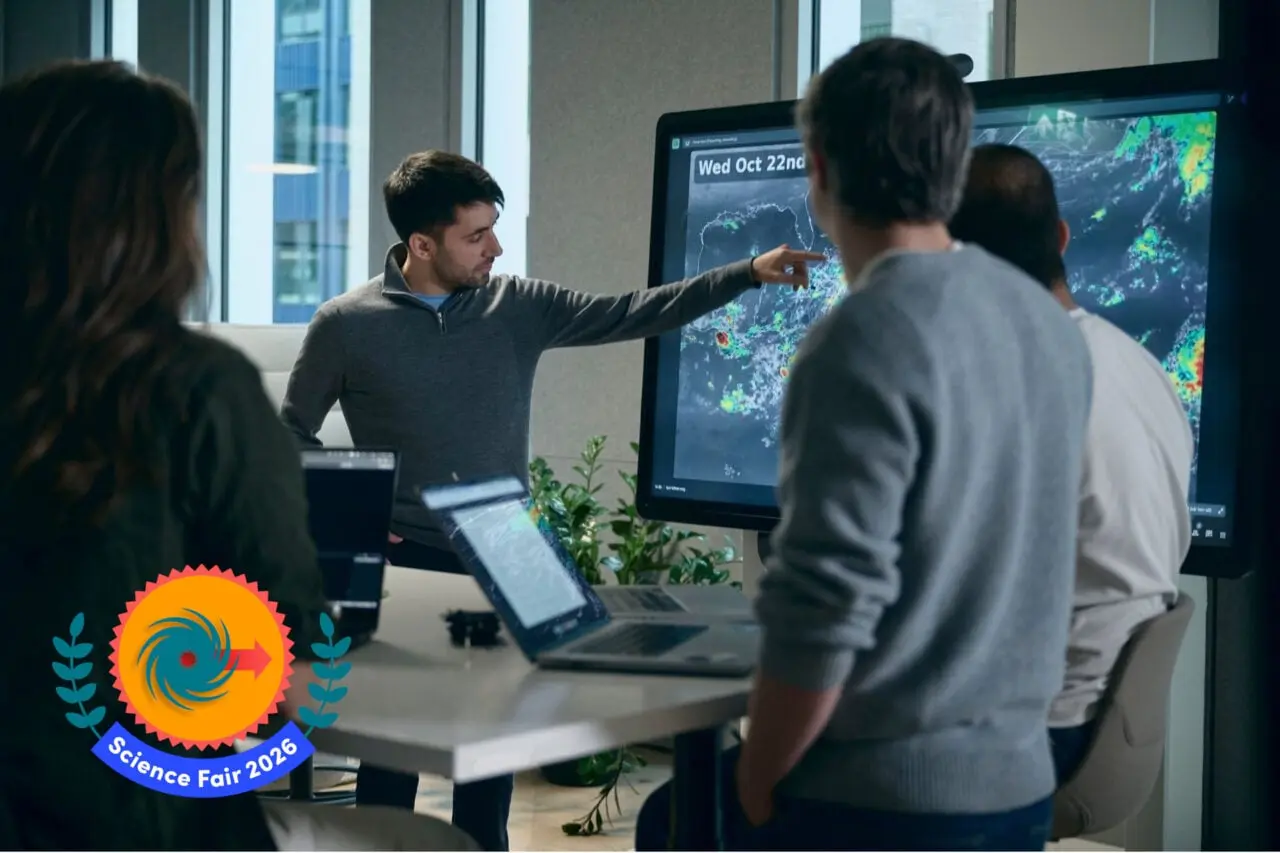
Google DeepMind has won the 2026 Gizmodo Science Fair for developing WeatherNext Cyclones, an artificial intelligence model that significantly improves tropical cyclone forecasting. The system provides meteorologists with an additional day of advance warning compared to traditional methods, enhancing preparedness for coastal communities. This breakthrough was recognized for its potential to save lives and reduce economic damage from extreme weather events. The model integrates vast atmospheric and oceanic data to predict both storm tracks and intensity with unprecedented accuracy.
Breaking news
 Canonical’s Web Presence Hit by Second DDoS Assault This Year
 Loops AI Secures $3.5 Million to Power a New AI Operating System for E‑Commerce
 Winverse AI Secures Tens of Millions in Seed Funding from DeepSeek and Long‑Z
 Google Adds Pixel 9 Series to Certified Refurbished Store
How AI Is Transforming Tropical Cyclone Prediction WeatherNext Cyclones leverages deep learning techniques to analyze complex weather patterns that traditional numerical models often miss. By processing satellite imagery, sea surface temperatures, and wind shear data in real time, the AI identifies early signs of cyclone formation and evolution. Unlike conventional models that require hours to run simulations, WeatherNext generates forecasts rapidly, allowing forecasters to issue timely alerts. The model’s ability to simultaneously predict track and intensity addresses a long-standing challenge in meteorology, where errors in one often compromise the other.
Can One Model Reliably Forecast Both Track and Intensity? Meteorologists have long struggled to predict both the path and strength of hurricanes with equal precision, often relying on multiple models that sometimes conflict. WeatherNext Cyclones overcomes this limitation by using a unified neural network architecture trained on decades of historical storm data. Testing against past cyclones showed the model reduced track error by approximately 15% and intensity error by 20% compared to leading operational systems. This dual capability means emergency managers can make more confident decisions about evacuations and resource deployment.
Real-World Implications for Disaster Preparedness The extra day of warning provided by WeatherNext Cyclones translates into critical time for communities to reinforce infrastructure, stock supplies, and evacuate if necessary. Insurance companies and humanitarian organizations are already exploring ways to integrate the model into risk assessment tools. As climate change increases the frequency and intensity of tropical cyclones, such AI-driven advancements could become essential for adaptive resilience. DeepMind plans to collaborate with global weather agencies to refine and deploy the model operationally in the coming years.
Frequently Asked Questions
How does WeatherNext Cyclones differ from existing hurricane models? It uses artificial intelligence to process diverse data sources simultaneously, delivering faster and more accurate forecasts of both storm track and intensity than traditional physics-based models.
What evidence supports the model’s improved accuracy? In retrospective testing, WeatherNext Cyclones reduced track forecast errors by about 15% and intensity errors by 20% compared to current leading systems, according to DeepMind’s evaluation.
Can this model be used for other types of extreme weather? While specifically designed for tropical cyclones, the underlying AI framework may be adapted for other weather phenomena such as thunderstorms or heatwaves, though further research is needed.

