Admin Controls and Rollout Timelines
Google has officially removed age restrictions for its Gemini study notebooks feature. As of September 22, 2026, the tool is now available to users of any age. This expansion applies specifically to individuals signed into school or work-issued Google accounts. The update aims to broaden access for both younger students and adult professionals. The company is rolling out this change gradually across its user base. Administrators must enable the specific features before end-users can access them.
Breaking news
 Canonical’s Web Presence Hit by Second DDoS Assault This Year
 Loops AI Secures $3.5 Million to Power a New AI Operating System for E‑Commerce
 Winverse AI Secures Tens of Millions in Seed Funding from DeepSeek and Long‑Z
 Google Adds Pixel 9 Series to Certified Refurbished Store
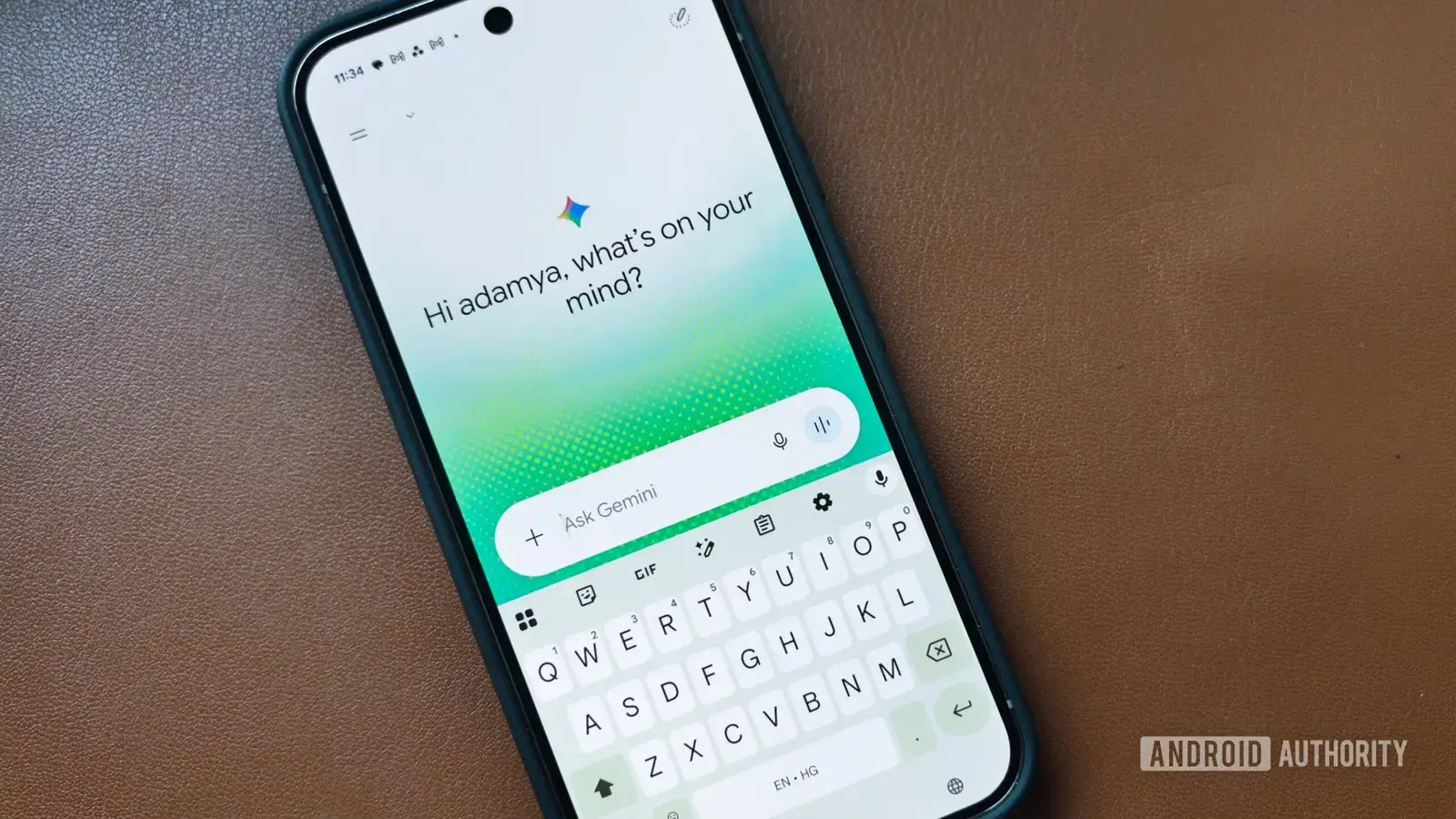
The primary driver behind this move is the desire to make AI-assisted learning accessible beyond traditional college-age demographics. By opening the platform to all ages, Google targets K-12 students as well as lifelong learners in corporate settings. This shift acknowledges that effective study habits are not limited to higher education institutions. The feature integrates directly into the Gemini application ecosystem. Users benefit from structured note-taking capabilities powered by artificial intelligence. The system helps organize information and summarize complex topics efficiently.
Access to the new functionality requires specific administrative actions. School and business administrators must explicitly enable both the Gemini app and the Gemini Notebook. Without these permissions, the study notebook features remain hidden from the user interface. This gatekeeping approach allows organizations to maintain control over their digital environments. It ensures that only approved users interact with the AI tools. The rollout process is not instantaneous for everyone. Google has stated that the gradual deployment may take up to fifteen days to reach all eligible accounts. Users should check their settings periodically during this window. If the feature does not appear immediately, patience is required while the backend systems update.
Who Can Access These New Tools?
This phased approach minimizes potential disruptions to existing workflows. It gives IT departments time to configure necessary policies. Administrators can review usage guidelines before granting full access. The fifteen-day timeline provides a buffer for technical adjustments. Organizations can monitor initial user feedback closely. This careful implementation strategy balances rapid innovation with operational stability.
The eligibility criteria focus on the type of account used rather than the user's age. Any individual with a valid school or work-issued Google account qualifies. Personal Gmail accounts are generally excluded from this specific expansion phase. This distinction highlights Google's strategic focus on institutional adoption. The company views schools and businesses as key drivers for long-term engagement. By targeting these groups, Google secures a larger user base. It also establishes the study notebook as a standard productivity tool. The feature supports various learning styles and professional development needs.
The removal of age barriers signals a broader trend in educational technology. AI tools are becoming less niche and more universal. They serve diverse audiences regardless of life stage. This inclusivity helps bridge the gap between formal and informal learning. Professionals can use the same tools as students for continuous improvement. The shared platform fosters a consistent experience across different sectors.
Frequently Asked Questions
How long does the rollout take? The gradual rollout process can take up to fifteen days. Users should wait for their specific account to receive the update. Checking the app settings regularly is recommended during this period.
Who enables the feature for users? Administrators for schools or workplaces must enable the tool. Both the main Gemini app and the Notebook component require separate activation. End-users cannot turn on these features without admin approval.
Does this apply to personal accounts? No, the expansion targets school or work-issued accounts. Personal consumer accounts are not part of this specific age-based expansion. Institutional users are the primary focus of this update.

