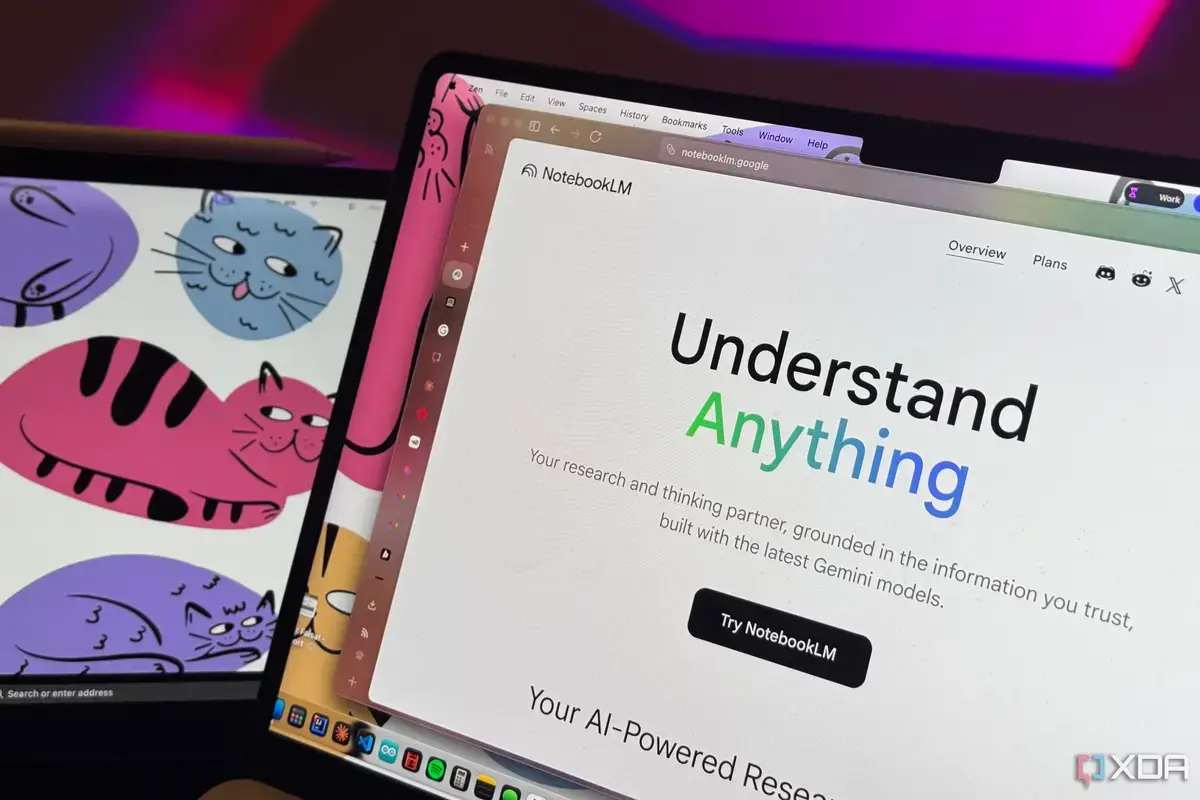
Shared Architecture Erodes NotebookLM’s Edge
Google introduced a combined version of NotebookLM and its conversational AI, Bard, on June 26, 2026. The move links the two services under a single interface, promising smoother workflows for users who rely on AI‑driven note‑taking and chat. Early reactions suggest the integration strips away the distinctive features that made NotebookLM popular among researchers and developers.
Breaking news
 Canonical’s Web Presence Hit by Second DDoS Assault This Year
 Loops AI Secures $3.5 Million to Power a New AI Operating System for E‑Commerce
 Winverse AI Secures Tens of Millions in Seed Funding from DeepSeek and Long‑Z
 Google Adds Pixel 9 Series to Certified Refurbished Store
The merger leverages a shared underlying model, meaning both tools now draw from the same language‑processing engine. Google says the change will reduce latency and simplify billing. Critics argue that the consolidation blurs the line between a specialized knowledge base and a general‑purpose chatbot. By unifying the platforms, Google eliminates the separate „knowledge notebook” environment that users praised for its privacy controls and offline capabilities. The decision appears driven by cost‑saving measures and a desire to present a unified AI front, but it may alienate a niche audience that valued NotebookLM’s unique workflow.
NotebookLM originally stood out by offering a sandbox where users could ingest documents, train a personal model, and query it without external interference. After the integration, the sandbox is replaced by a shared workspace where Bard’s broader dataset competes with personal uploads. „The charm of NotebookLM was its isolation,” said Maya Patel, a data‑science consultant who has used the tool for months. „Now my private notes sit alongside public queries, and I worry about inadvertent data leakage.” Google’s privacy page assures that user data remains encrypted, but the perception of reduced control has already spurred a migration to alternative platforms. Early usage metrics released by the company show a 12 % drop in NotebookLM‑specific sessions within a week of the rollout.
Will Users Still Find Value in the Combined Service?
The core question is whether the unified product can satisfy both casual chat users and power users who need a dedicated knowledge repository. Some early adopters appreciate the convenience of a single sign‑on and the ability to switch seamlessly between brainstorming and deep research. However, many remain skeptical, citing the loss of granular permission settings and the inability to keep notebooks truly offline. Analysts predict that Google may introduce tiered options to address these concerns, but the company has not confirmed any such plans. If the integrated service fails to regain trust, it could open the market to competitors offering specialized note‑taking AI tools.
The integration marks a pivotal shift in Google’s AI strategy, emphasizing breadth over depth. While the move may streamline development and reduce operational overhead, it risks eroding a product that filled a niche gap. Users now face a trade‑off between convenience and control, and the industry will watch closely to see if Google can reconcile the two.
Frequently Asked Questions
What exactly changed with the NotebookLM integration? Google merged NotebookLM’s document‑ingestion and private model features into Bard’s chat interface, creating a single AI workspace that shares the same underlying model.
Will my existing notebooks be deleted or altered? Existing notebooks are migrated to the new shared environment. Google assures that content remains accessible, but the privacy settings are now governed by Bard’s broader policies.
Can I still use NotebookLM offline after the merger? Offline functionality is currently limited. Google plans to reintroduce an offline mode in future updates, but it is not available at launch.