How AI Lowers the Barrier for Illegal Game Ports
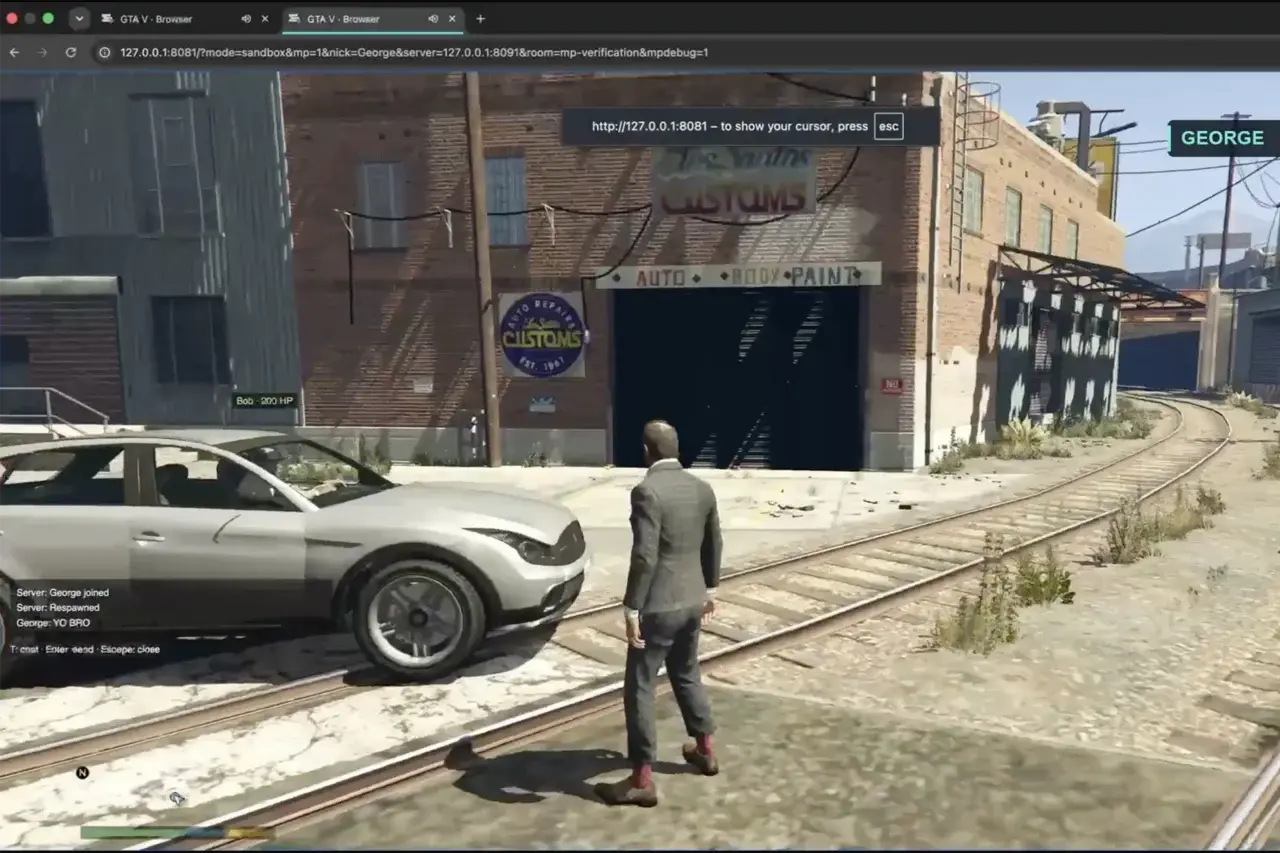
A browser‑based version of Grand Thief Auto V has appeared online, allowing users to play the game without owning a license. The new „cloud‑play” version demonstrates how artificial intelligence can simplify the illegal transfer of popular titles to new platforms.
Breaking news
 Town AI Secures $108 Million Series B, Valued at $1 Billion After $55 M Pre‑Series
 Apple Prepares for Major Product Launch Event on October 28
 Apple Releases Release Candidates for watchOS, tvOS and visionOS 27.2
 Apple Limits iPhone Duo and iPhone 18 Pro Max to Reservation-Only Sales in Japan and South Korea
The release came after OpenAI founder Sam Altman publicly suggested that the benefits of AI outweigh the risks. In a recent interview, Altman said that society should accept some negative consequences in exchange for AI’s potential. The debate over the trade‑off has intensified as AI tools now make it easier to replicate and distribute copyrighted software.
The unauthorized version was first spotted on a gaming forum last week. It runs entirely in the browser, using a lightweight engine that streams graphics from a remote server. Players can click a single link to start the game, bypassing the need for a physical copy or a licensed download. The developers behind the site claim that the engine was built using open‑source code and AI‑generated assets, but the final product is almost indistinguishable from the original.
Is This a New Threat to the Gaming Industry?
Artificial intelligence has made it possible to reverse‑engineer game logic and assets with minimal effort. Machine‑learning models can analyze game binaries, extract textures, and reconstruct level geometry automatically. Once the core components are recovered, developers can rebuild the game on a different platform with only a few lines of code. The new browser version of Grand Thief Auto V is a prime example. By leveraging cloud computing, the entire game can be streamed, eliminating the need to download large files.
Industry analysts note that the cost of creating a pirated port has fallen dramatically. Previously, hackers had to spend months disassembling code and patching incompatibilities. Today, a combination of AI and pre‑built engines can produce a playable version in hours. This speed, coupled with the anonymity of the internet, has led to a surge in unauthorized game releases.
Frequently Asked Questions
The rise of AI‑generated game ports raises serious questions for developers and publishers. If a single copy of a game can be replicated and streamed without permission, revenue losses could become widespread. The legal framework for digital distribution is already strained, and the new technology may outpace current enforcement mechanisms.
The gaming community has reacted with concern. Some players appreciate the accessibility of cloud‑based play, while others worry about the impact on creators who rely on sales. Legal experts warn that existing copyright laws may not adequately cover AI‑generated reproductions, potentially creating loopholes for piracy.
In the long run, the industry may need to adopt new protection methods, such as hardware‑based verification or AI‑driven detection systems. Until then, the threat of illegal game ports will likely grow, forcing publishers to rethink distribution models and security strategies.
