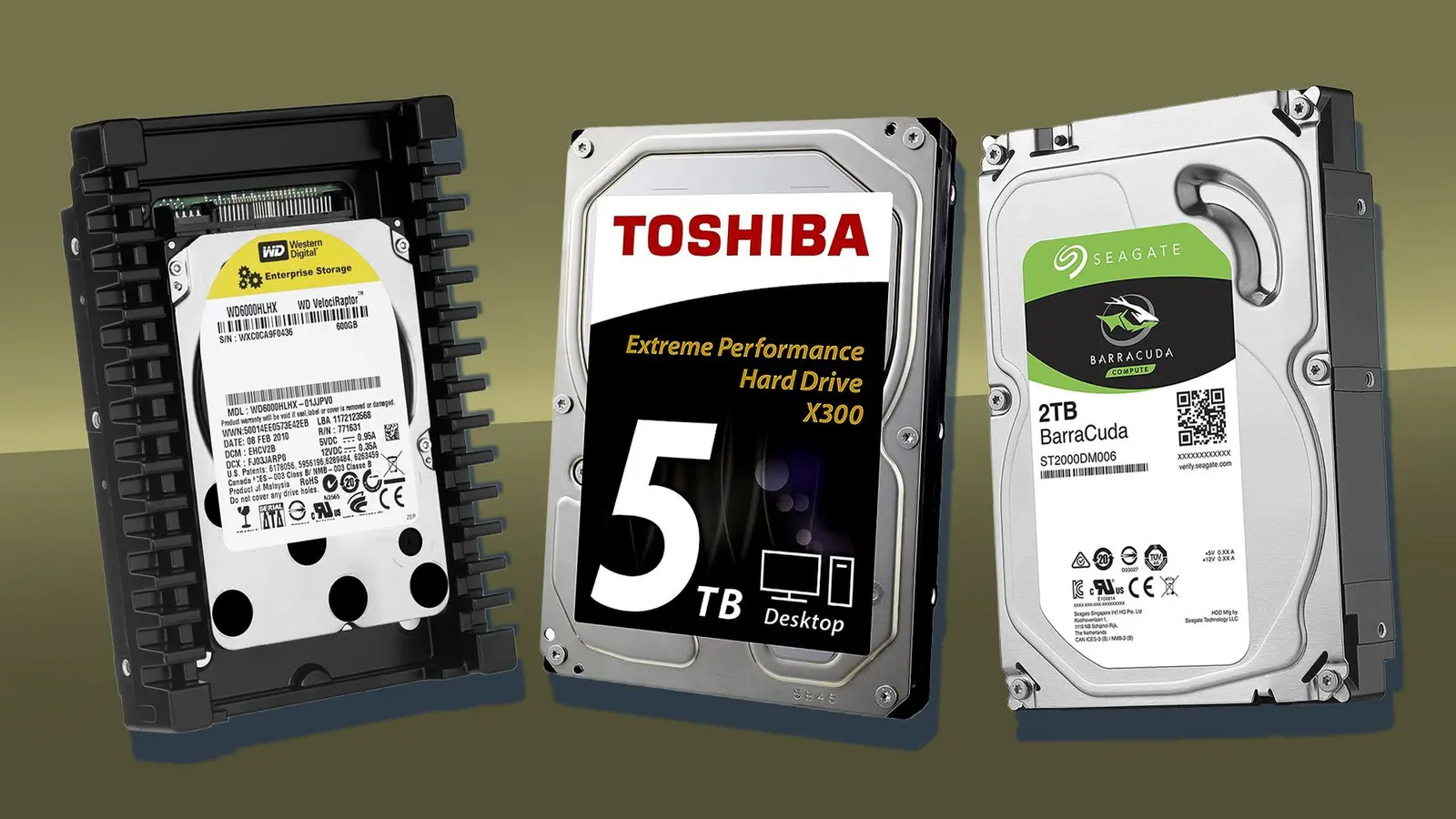
AI Workloads Make HDDs a Viable Option
In a surprising reversal, hard‑disk drives (HDDs) are gaining traction in artificial‑intelligence (AI) data centers. Toshiba, a leading HDD manufacturer, announced plans to almost double its AI‑specific storage capacity by the end of fiscal 2025, citing a sharp rise in demand for high‑density, low‑cost storage.
Breaking news
 Canonical’s Web Presence Hit by Second DDoS Assault This Year
 Loops AI Secures $3.5 Million to Power a New AI Operating System for E‑Commerce
 Winverse AI Secures Tens of Millions in Seed Funding from DeepSeek and Long‑Z
 Google Adds Pixel 9 Series to Certified Refurbished Store
The shift comes as AI workloads, especially those involving large language models, require petabytes of data to be accessed quickly and affordably. HDDs, once considered obsolete compared to solid‑state drives (SSDs), offer a cost advantage for bulk storage, making them attractive to operators looking to scale AI infrastructure without breaking budgets.
Will HDDs Replace SSDs in AI Environments?
AI training and inference involve reading and writing massive datasets. While SSDs provide speed, their price per gigabyte is significantly higher. HDDs, with their lower cost per terabyte, can store the vast amounts of data needed for AI models. Toshiba’s strategy focuses on building drives with higher capacities and faster access speeds to meet these requirements. The company aims to increase its HDD capacity for AI by 95% by the end of fiscal 2025, a move that could reshape the storage market.
Industry analysts note that the demand for AI‑centric storage is growing faster than the supply of SSDs can meet. As a result, HDD manufacturers are investing in new manufacturing lines and advanced technologies to improve performance and reliability. Toshiba’s expansion is part of a broader trend where traditional storage vendors are re‑evaluating their product portfolios to capture AI market share.
Frequently Asked Questions
The question remains whether HDDs will become a staple in AI data centers or remain a niche solution. For many operators, a hybrid approach is likely: SSDs for high‑performance tasks and HDDs for bulk, archival storage. Toshiba’s focus on AI‑optimized drives suggests that the industry is moving toward a diversified storage strategy rather than a single dominant technology.
In the coming years, the balance between SSD and HDD usage will depend on several factors: the pace of AI model development, the cost of silicon storage, and the ability of HDD manufacturers to deliver drives that meet the speed and durability demands of AI workloads. If HDDs can close the performance gap while keeping costs low, they may secure a permanent foothold in the AI ecosystem.

