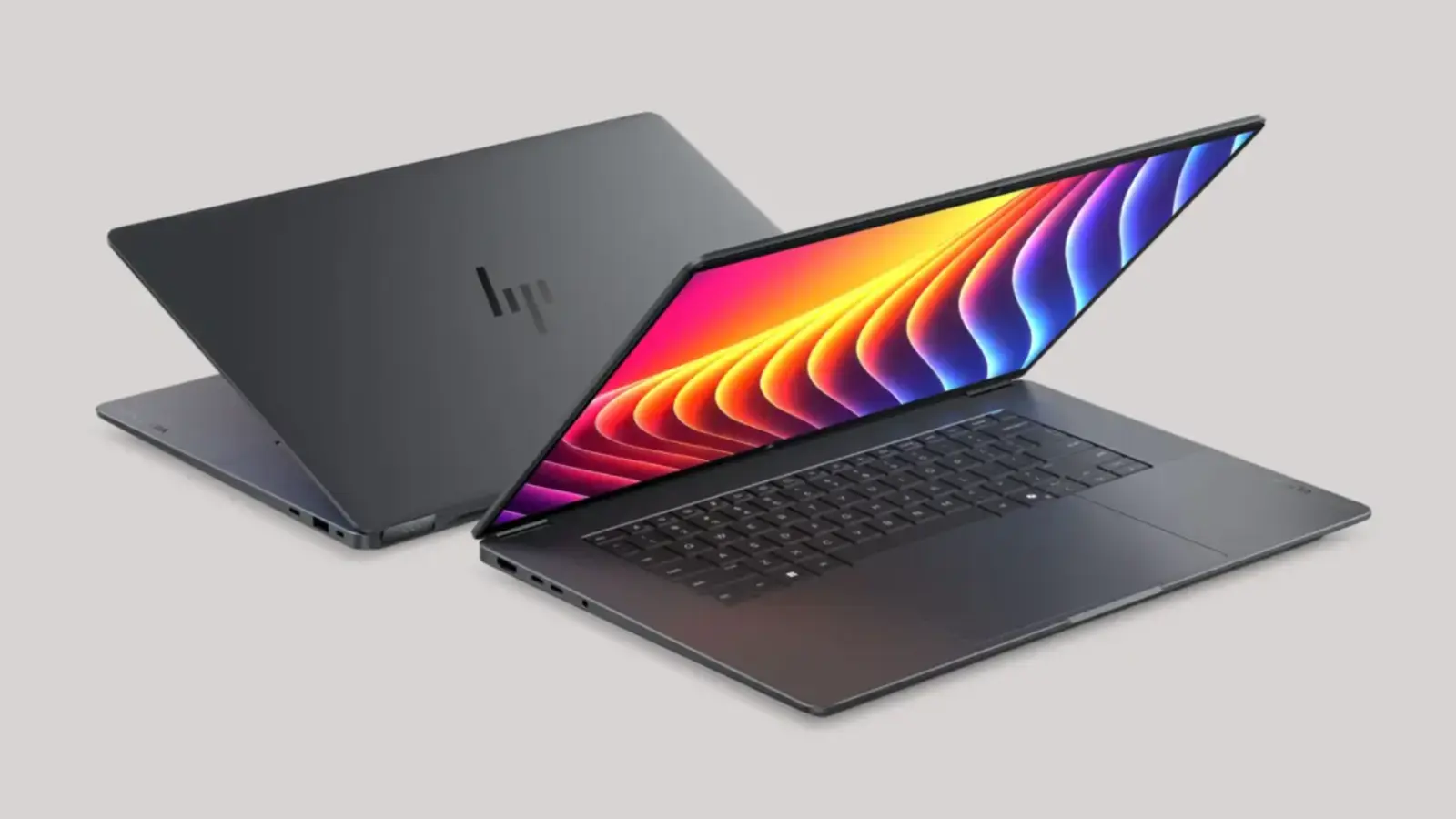
AI at the Edge: Why HP Chose 192 GB of RAM
HP announced the ZBook Ultra G3a workstation on September 25, 2026, pricing it at $7,449. The laptop pairs a Ryzen AI Max+ PRO 495 processor with 192 GB of DDR5 memory, a 512 GB SSD, and integrated Radeon graphics, targeting professionals who need to run massive AI models locally.
Breaking news
 Canonical’s Web Presence Hit by Second DDoS Assault This Year
 Loops AI Secures $3.5 Million to Power a New AI Operating System for E‑Commerce
 Winverse AI Secures Tens of Millions in Seed Funding from DeepSeek and Long‑Z
 Google Adds Pixel 9 Series to Certified Refurbished Store
The new ZBook is designed to let engineers, data scientists, and creators train or infer models with up to 300 billion parameters without relying on external cloud services. By embedding a high‑capacity memory pool and a processor tuned for AI workloads, HP aims to cut latency and data‑transfer costs that plague remote computing. The machine’s compact chassis houses a 15.6‑inch 4K display, multiple Thunderbolt 4 ports, and a robust cooling system that maintains performance under sustained loads. HP says the workstation can replace small server clusters for many edge‑AI applications.
HP’s decision to equip the ZBook with 192 GB of RAM reflects the growing demand for on‑device AI training. „Large language models now exceed 200 billion parameters, and moving that data to the cloud adds latency and expense,” explained a senior product manager at HP. The workstation’s memory bandwidth, combined with the Ryzen AI Max+ PRO 495’s tensor cores, enables developers to experiment with model sizes previously reserved for data‑center GPUs. Benchmarks released by HP show the laptop completing a 300‑billion‑parameter inference task in under 12 seconds, a speed comparable to entry‑level server rigs.
Can a Laptop Really Replace a Cloud Server?
Industry analysts remain cautious. While the ZBook’s specs are impressive, critics note that power consumption and heat dissipation still limit prolonged heavy AI workloads. „It’s a powerful tool for prototyping and edge deployment, but for continuous training at scale, dedicated servers remain more efficient,” said a technology consultant. Nevertheless, HP’s move signals a shift toward decentralizing AI compute, giving smaller firms and remote teams access to capabilities that once required expensive cloud contracts.
The ZBook Ultra G3a could reshape how businesses approach AI development, especially in regulated sectors where data cannot leave premises. As more manufacturers follow suit, the line between workstation and server may blur, prompting a re‑evaluation of cloud‑first strategies.
Frequently Asked Questions
What distinguishes the Ryzen AI Max+ PRO 495 from standard Ryzen chips? The Max+ PRO version adds dedicated AI tensor cores and higher clock speeds, optimizing matrix operations essential for deep‑learning tasks.
Is the 512 GB SSD sufficient for large AI datasets? For many edge‑AI projects it is, but HP recommends external NVMe storage for datasets that exceed internal capacity.
Will the ZBook’s battery last during intensive AI workloads? Battery life drops sharply under full AI load; HP advises plugging in the unit for sustained training or inference sessions.

