Users can define goals such as navigating a path or responding to sounds, and
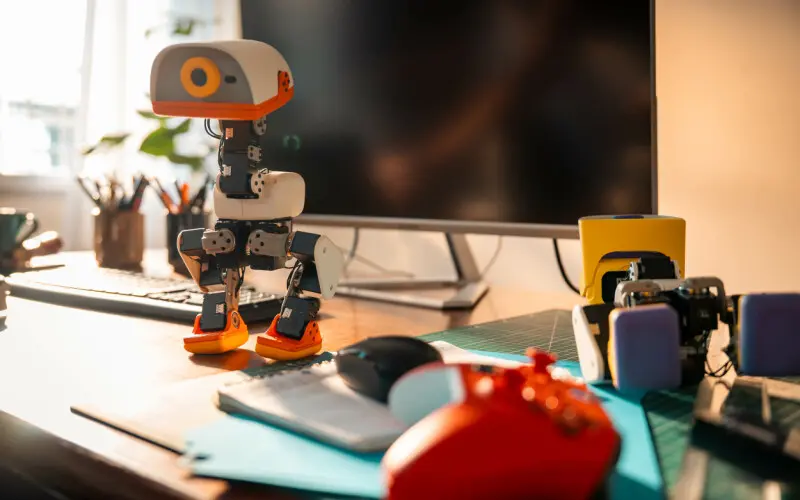
Pollen Robotics, a subsidiary of Hugging Face based in Bordeaux, France, unveiled the Microduck robot on Thursday. The 25-centimeter-tall device runs on open-source software and is designed for immediate interaction and reinforcement learning training. Priced at $399, it aims to make hands-on AI experimentation accessible to developers and educators. The Microduck combines physical movement with programmable behavior, allowing users to teach it tasks through trial-and-error learning methods. Its compact size and duck-like design make it suitable for desk-based testing and classroom demonstrations. Pollen emphasizes that the robot is ready to operate out of the box, reducing setup barriers for those exploring embodied AI. How Does Reinforcement Learning Work With a Robot Duck? Reinforcement learning enables the Microduck to improve its actions based on feedback from its environment, much like how animals learn through rewards and penalties.
Breaking news
 Canonical’s Web Presence Hit by Second DDoS Assault This Year
 Loops AI Secures $3.5 Million to Power a New AI Operating System for E‑Commerce
 Winverse AI Secures Tens of Millions in Seed Funding from DeepSeek and Long‑Z
 Google Adds Pixel 9 Series to Certified Refurbished Store
Users can define goals such as navigating a path or responding to sounds, and the robot adjusts its behavior over time. This approach helps bridge the gap between theoretical AI models and real-world physical interaction. What Makes the Microduck Different From Other Educational Robots? Unlike many robotics kits that focus on assembly or basic programming, the Microduck is built for advanced AI experimentation right after unboxing. Its integration with Hugging Face’s ecosystem allows users to leverage existing machine learning tools and models. The open-source nature of its software also encourages community-driven modifications and shared learning resources. Frequently Asked Questions What operating system or software does the Microduck use? The Microduck runs on open-source software compatible with Hugging Face’s AI libraries, enabling seamless integration with popular machine learning frameworks for training and control. Can the Microduck be used outside of educational settings?
While designed with learning in mind, its capabilities make it suitable for hobbyists and researchers interested in testing AI behaviors in physical form, though it is not intended for industrial applications. Is assembly required before use? No, the Microduck arrives fully assembled and functional, allowing users to begin experimentation immediately without needing to build or calibrate hardware components.