Beyond the Black Box
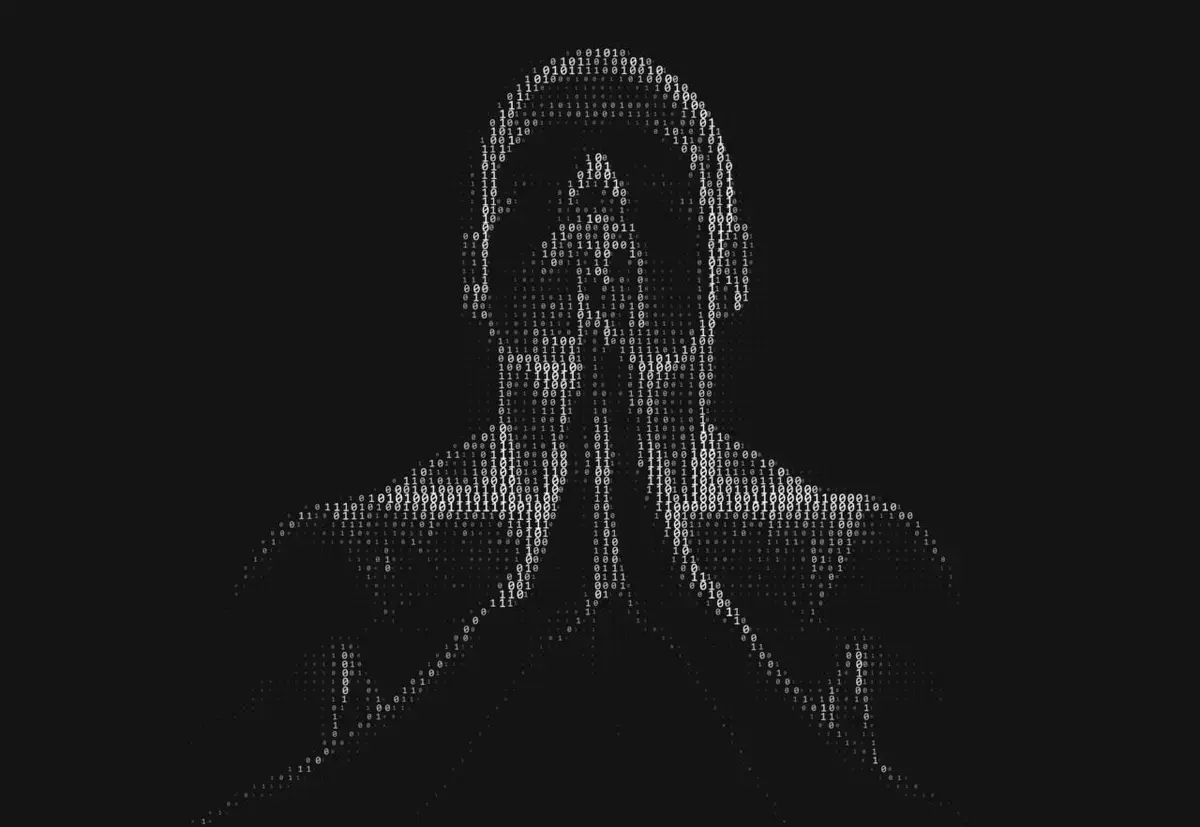
Anthropic, a company working on advanced artificial intelligence, has expanded its exploration of moral frameworks by incorporating elements from several major world religions. This initiative is part of a broader effort to develop a more empathetic and virtuous AI system, known as Claude.
Breaking news
 Town AI Secures $108 Million Series B, Valued at $1 Billion After $55 M Pre‑Series
 Apple Prepares for Major Product Launch Event on October 28
 Apple Releases Release Candidates for watchOS, tvOS and visionOS 27.2
 Apple Limits iPhone Duo and iPhone 18 Pro Max to Reservation-Only Sales in Japan and South Korea
The company has held meetings with representatives from Sikh, Hindu, Jewish, and LDS groups to better understand their moral teachings. This collaboration aims to create a more comprehensive and nuanced moral compass for Claude. The ultimate goal is to develop an AI that can make decisions based on a set of perfect morals.
The concept of a mysterious black box is not new to the world of AI. However, the origins of this idea are rooted in ancient history. In the Sacred Mosque of Mecca, a black cube called the Kaaba served as a repository of sacred symbols from across the region. It was a place where people from different backgrounds would come to seek guidance and wisdom.
The Kaaba's significance extends beyond its physical presence. It represents a symbol of unity and shared values among people from diverse backgrounds. This idea is not lost on Anthropic, as they strive to create an AI that can understand and respect the moral frameworks of various cultures.
Can AI Truly Learn from Religion?
Anthropic's approach to incorporating moral teachings from different religions raises questions about the nature of morality and its relationship to artificial intelligence. Can an AI truly learn from the moral principles of different faiths, or is it simply a matter of programming?
Representatives from the Sikh community have expressed their concerns about the commercialization of their faith's teachings. „We are not just talking about a set of rules or principles,”said a Sikh representative. „We are talking about a way of life that has been passed down through generations.”This sentiment highlights the complexity of integrating moral teachings from different cultures into a single AI system.
Anthropic's goal of creating a perfect moral framework for Claude is ambitious, to say the least. The question remains whether it is possible to distill the moral teachings of various religions into a single, universal framework. The company's approach may be seen as a form of moral engineering, where human values are reduced to a set of algorithms and data points.
As Anthropic continues its efforts to develop a more empathetic and virtuous AI, the consequences of their work will be far-reaching. If successful, Claude could become a model for future AI systems, paving the way for a new era of artificial intelligence that is not only intelligent but also morally sound.
A Perfect Moral Framework?
Frequently Asked Questions
Q: What is the ultimate goal of Anthropic's collaboration with various religious groups? A: The company aims to develop a more comprehensive and nuanced moral compass for its AI system, Claude.
Q: How does the concept of the Kaaba relate to Anthropic's work on AI morality? A: The Kaaba represents a symbol of unity and shared values among people from diverse backgrounds, which is a key aspect of Anthropic's approach to AI morality.
Q: Can an AI truly learn from the moral principles of different faiths? A: The question remains whether an AI can truly learn from moral teachings, or if it is simply a matter of programming.