Skepticism Grows Over Repeated Milestone Claims
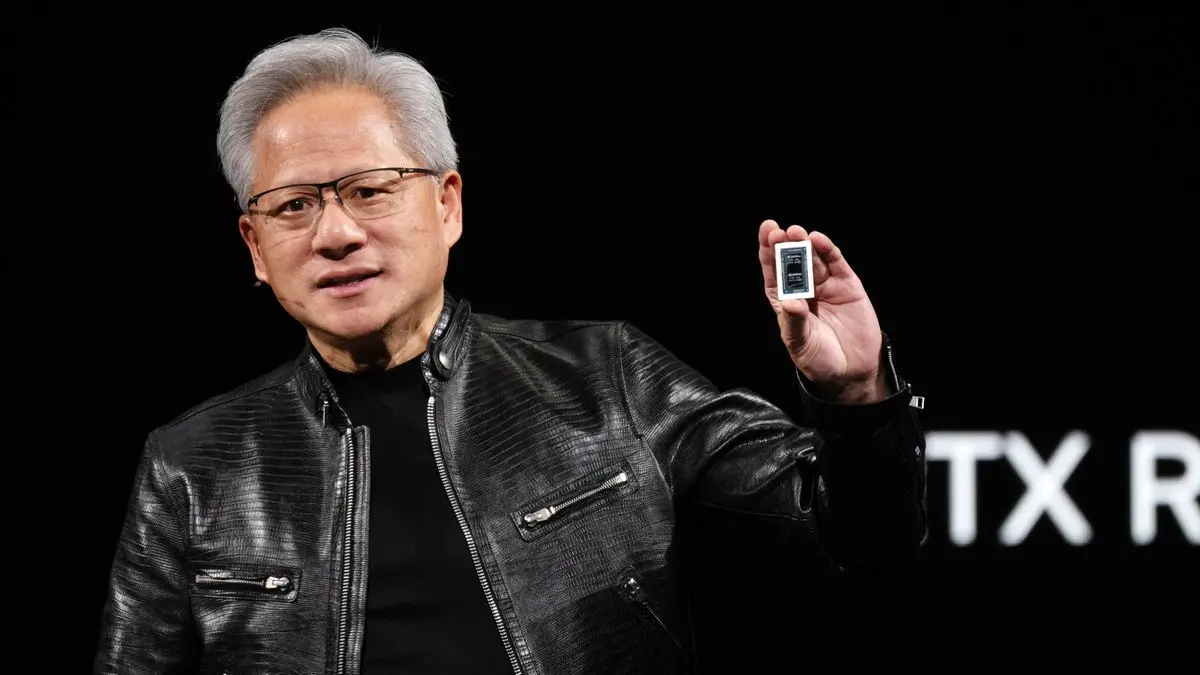
Nvidia CEO Jensen Huang has publicly declared that Artificial General Intelligence has finally arrived. This announcement coincides with the release of OpenAI’s latest model, GPT-6 Astra. The statement was made in September 2026, marking another high-profile claim about the state of AI development. Critics note this is not the first time Huang has made such a bold prediction.
Breaking news
 Why Technical SEO Scanning Is Essential for Modern Web Performance
 How Predictive Telematics Redefines Post-Accident Recovery Logistics
 How Autonomous Mobility Is Reshaping Corporate Travel Infrastructure
 Algorithmic Liquidity: How Digital Trust Protocols Reshape Personal Finance
The timing of this declaration raises immediate questions about commercial motivation. Huang’s comments appear closely linked to the marketing cycle for next-generation Nvidia graphics processing units. Observers suggest the enthusiasm serves a dual purpose. It validates the need for massive computing power while simultaneously generating hype around Nvidia’s hardware roadmap. The coincidence between software milestones and hardware sales cycles remains a point of contention among industry analysts.
Huang has a history of declaring breakthrough moments in artificial intelligence. Previous assertions about AGI arriving have often been met with mixed reactions from the broader research community. Many experts argue that current models, including the newly released GPT-6, still exhibit specific limitations. These include challenges in long-horizon While performance benchmarks improve significantly with each iteration, the leap to true general intelligence remains debated.
Is the Hype Cycle Outpacing Technical Reality?
The reaction to this latest announcement reflects a growing fatigue among tech observers. The phrase „AGI has arrived” has become a recurring theme in industry press conferences. This repetition leads some stakeholders to view the claims as promotional tools rather than technical conclusions. The gap between vendor optimism and academic rigor continues to widen. Investors and developers are increasingly looking for concrete evidence beyond benchmark scores.
The relationship between model releases and hardware sales creates a feedback loop. As new AI models demand more computational resources, chipmakers benefit directly from the upgrade cycle. Nvidia stands to gain substantial revenue from data centers deploying these advanced systems. Huang’s public stance reinforces the narrative that existing infrastructure is insufficient for the next wave of applications. This narrative drives enterprise spending on new GPU clusters.
Critics point out that the definition of AGI itself remains fluid. There is no single, universally accepted metric for determining when a system achieves general intelligence. Consequently, declarations of arrival are subjective. They often depend on which capabilities are prioritized in the evaluation framework. This lack of standardization allows vendors to frame success in ways that favor their product narratives.
The market response will likely be driven by investor confidence in Nvidia’s dominance. If the GPT-6 launch triggers a surge in enterprise adoption, the hardware sales figures may validate Huang’s earlier predictions. However, if adoption slows or competitors offer efficient alternatives, the narrative could shift. The coming months will test whether the technical progress matches the commercial hype surrounding the AGI milestone.
Frequently Asked Questions
When did Jensen Huang make this specific AGI declaration? Huang made the declaration in September 2026. This occurred during the period surrounding the launch of OpenAI’s GPT-6 Astra model. The timing aligns with Nvidia’s push for next-generation GPU sales.
Why do critics suspect commercial motivation behind the statement? Critics note that Huang has made similar claims before. Each declaration often precedes major hardware sales cycles for Nvidia. The proximity to new model launches suggests a strategic alignment between software progress and chip demand.
Has AGI technically been achieved according to all experts? There is no consensus among all experts. While GPT-6 represents significant advancement, many researchers believe key gaps remain in The debate continues over what specific criteria define true general intelligence.