Why Docker Became the Preferred Choice
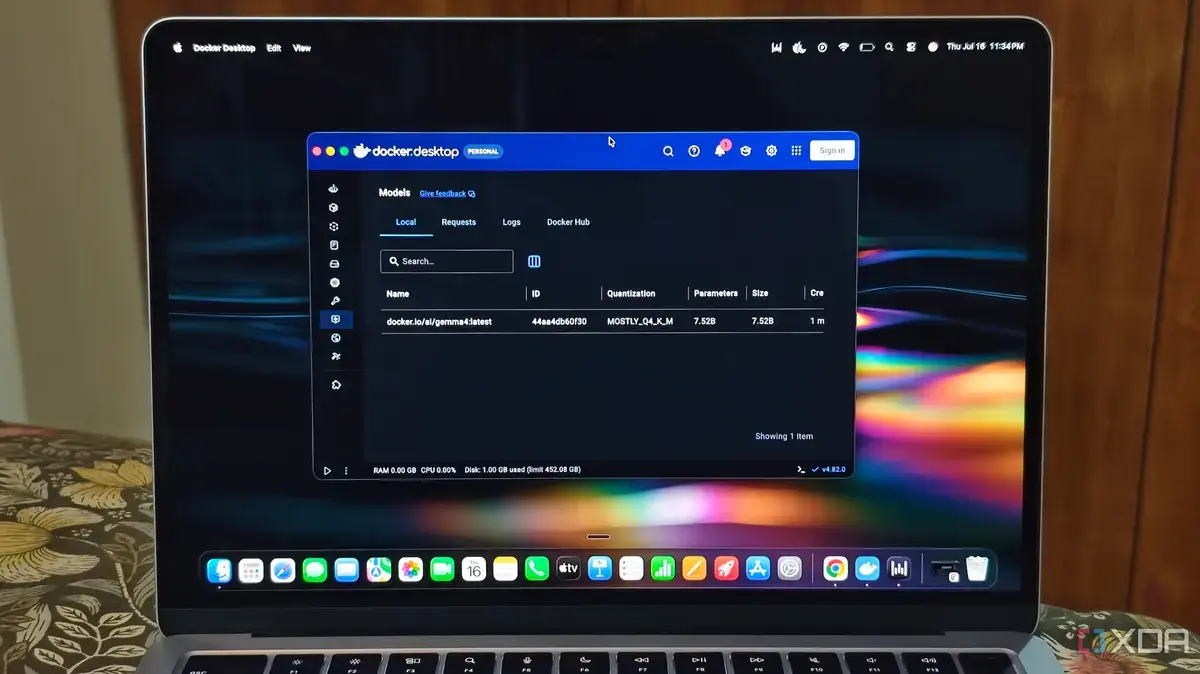
A tech enthusiast recently shared their journey towards a more stable local large language model (LLM) environment. Frustration with existing solutions led to a significant change. The user ultimately found success by switching to Docker for managing their LLM installations.
Breaking news
 Canonical’s Web Presence Hit by Second DDoS Assault This Year
 Loops AI Secures $3.5 Million to Power a New AI Operating System for E‑Commerce
 Winverse AI Secures Tens of Millions in Seed Funding from DeepSeek and Long‑Z
 Google Adds Pixel 9 Series to Certified Refurbished Store
The previous setup, utilizing Ollama, proved to be cumbersome and unreliable. Frequent issues and complex configurations hindered productivity. The search for a more streamlined approach became a priority for the individual.
The decision to adopt Docker stemmed from a desire for greater convenience and stability. Docker allows applications and their dependencies to be packaged into isolated containers. This eliminates conflicts and ensures consistent performance across different systems. The user reported a dramatic improvement in their workflow after making the switch. Setup times were reduced, and the overall experience became much smoother.
How Does Docker Improve LLM Management?
Docker simplifies the deployment and management of LLMs by providing a standardized environment. Each LLM can run in its own container, completely separate from other applications. This isolation prevents software conflicts and makes it easier to update or switch between different models. The user found that this containerization approach solved many of the headaches previously encountered. It offers a clean and reproducible way to run complex software like LLMs locally.
The shift to Docker has transformed the user's local LLM experience. It has moved from a source of constant hassle to a seamless and efficient process. This change highlights the benefits of containerization for complex development environments.
Frequently Asked Questions
What is Docker? Docker is a platform that uses OS-level virtualization to deliver software in packages called containers. These containers are isolated from each other and bundle their own software, libraries, and configuration files.
Why is Docker useful for LLMs? Docker provides a consistent and isolated environment for running LLMs. This prevents conflicts with other software and simplifies the installation and management of different models.
What problems did Docker solve for the user? Docker eliminated frequent issues and complex configurations that were present in the user's previous LLM setup. It made the entire process more convenient and reliable.