Nuclear Power as the Backbone of France’s AI Ambition
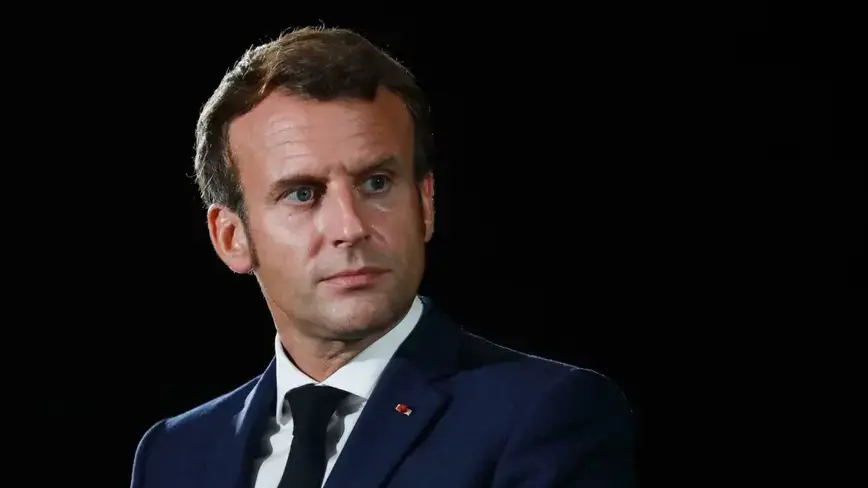
Paris, June 15‑17 – French President Emmanuel Macron opened the G7 summit by declaring artificial intelligence the top priority for his country. He urged the group to see France as Europe’s AI powerhouse, powered by its abundant nuclear electricity.
Breaking news
 Town AI Secures $108 Million Series B, Valued at $1 Billion After $55 M Pre‑Series
 Apple Prepares for Major Product Launch Event on October 28
 Apple Releases Release Candidates for watchOS, tvOS and visionOS 27.2
 Apple Limits iPhone Duo and iPhone 18 Pro Max to Reservation-Only Sales in Japan and South Korea
Macron’s pitch ties AI growth to France’s low‑cost, carbon‑free power grid. He argues that cheap, reliable energy will attract global tech firms and foster home‑grown startups. Critics note the plan leans heavily on funding and talent generated elsewhere, especially from the United States and China.
France’s nuclear fleet supplies over 70 percent of its electricity, a unique advantage among G7 nations. Macron highlighted this capacity as a catalyst for data‑intensive AI workloads. „Our reactors can run AI clusters around the clock, without the price spikes seen elsewhere,” he told delegates.
The government unveiled a €2 billion fund for AI research, largely sourced from existing EU programs and private investment. While the cash infusion is modest compared to the billions poured into AI by the United States, officials say the combination of cheap power and strategic subsidies will level the playing field.
Can France Compete with Global AI Giants?
Industry leaders at the summit praised the proposal. A senior executive from a Paris‑based cloud provider said the nuclear‑backed model could lower operating costs for AI services, making Europe more competitive. Yet some analysts warn that relying on external capital may limit France’s strategic autonomy.
The question looms large as the summit draws to a close. France must attract talent, data, and capital to match the scale of Silicon Valley and Beijing. Macron acknowledged the challenge, noting that „AI success is a race, not a sprint.”
To bridge the gap, France plans to forge partnerships with U. S. research institutions and to streamline visa processes for AI specialists. The nation also aims to create a regulatory sandbox, allowing experimental AI projects to proceed under relaxed oversight. Success will depend on how quickly these measures translate into real‑world applications.
Frequently Asked Questions
If France can harness its nuclear advantage and secure cross‑border investments, it could reshape Europe’s AI landscape. The G7’s endorsement may spur other members to adopt similar energy‑focused strategies, potentially shifting the continent’s tech trajectory. Observers will watch whether the French model delivers tangible results or remains a high‑cost ambition.
What is the main advantage France claims for its AI strategy? France points to its extensive nuclear power network, which provides cheap, reliable electricity essential for data‑heavy AI operations.
How does the French AI fund compare to global AI spending? At €2 billion, the fund is modest compared to the tens of billions spent by the United States and China, but it leverages existing EU and private capital.
Will the nuclear‑powered AI model attract foreign tech firms? Officials hope low operating costs will lure multinational companies, though success will hinge on regulatory clarity and the ability to secure skilled talent.