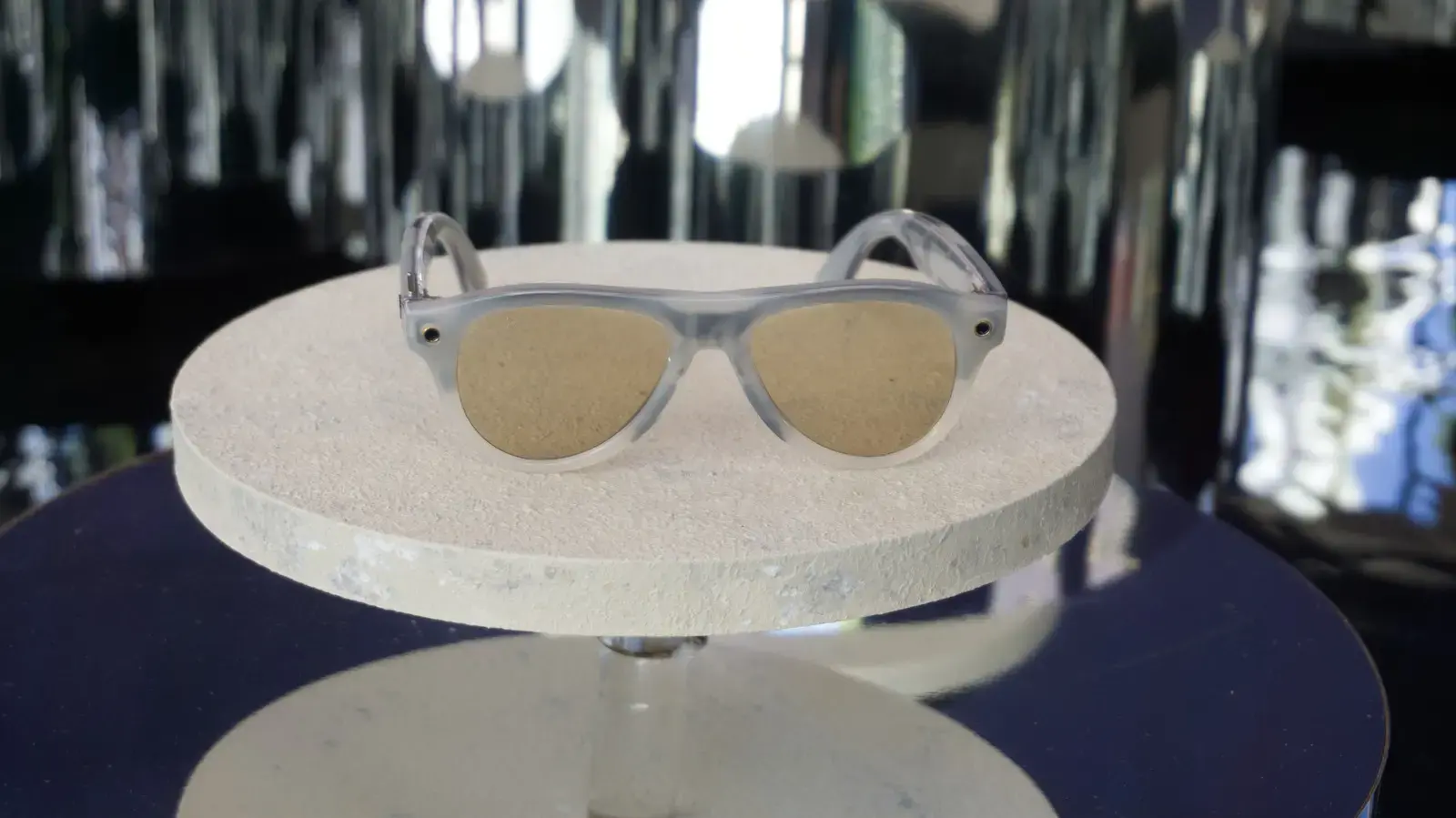
Protecting Personal Visual Privacy
Meta recently announced a policy shift regarding its smart glasses, allowing users to prevent the company from utilizing their visual data for artificial intelligence training. This change follows ongoing scrutiny over how tech giants harvest personal information. Owners can now adjust their privacy settings to ensure their captured images and videos remain private.
Breaking news
 Canonical’s Web Presence Hit by Second DDoS Assault This Year
 Loops AI Secures $3.5 Million to Power a New AI Operating System for E‑Commerce
 Winverse AI Secures Tens of Millions in Seed Funding from DeepSeek and Long‑Z
 Google Adds Pixel 9 Series to Certified Refurbished Store
The company previously relied on visual inputs from these wearable devices to refine its AI models. By offering an opt-out mechanism, Meta aims to address growing concerns from privacy advocates and regulators. This decision marks a significant retreat from the firm’s previous approach to data collection for machine learning development.
The new settings provide a layer of control for individuals who value their personal space. Many users were previously uncomfortable with the idea that their daily interactions could be processed by algorithms. This update ensures that personal experiences captured through the glasses are not automatically funneled into the company's massive data pools.
Will This Change Affect AI Development Speed?
Contractors tasked with reviewing and labeling this visual data will likely see a reduction in their workload as a result. The move reflects a broader industry trend toward giving users more agency over their digital footprint. Meta must now balance its ambitious AI roadmap with the necessity of maintaining user trust.
Limiting the flow of real-world visual data could potentially slow the evolution of Meta’s multimodal AI capabilities. Engineers often require vast amounts of diverse imagery to improve object recognition and contextual understanding. However, the company appears to prioritize user retention and regulatory compliance over rapid, unrestricted data harvesting.
Frequently Asked Questions
The long-term impact on the smart glasses experience remains to be seen. If a large percentage of users choose to opt out, the company may need to find alternative ways to train its models. For now, the focus remains on providing transparency and giving consumers the final say in their data usage.
Can I change my mind after opting out? Yes, users can adjust their privacy settings at any time through the companion application. You are free to toggle your data sharing preferences whenever you choose.
Does this apply to all Meta wearable devices? The current policy update specifically addresses the visual data captured by the company's smart glasses. Other devices may have different privacy protocols depending on their specific hardware capabilities.

