How MLX Framework Enables Local AI Execution on Mac
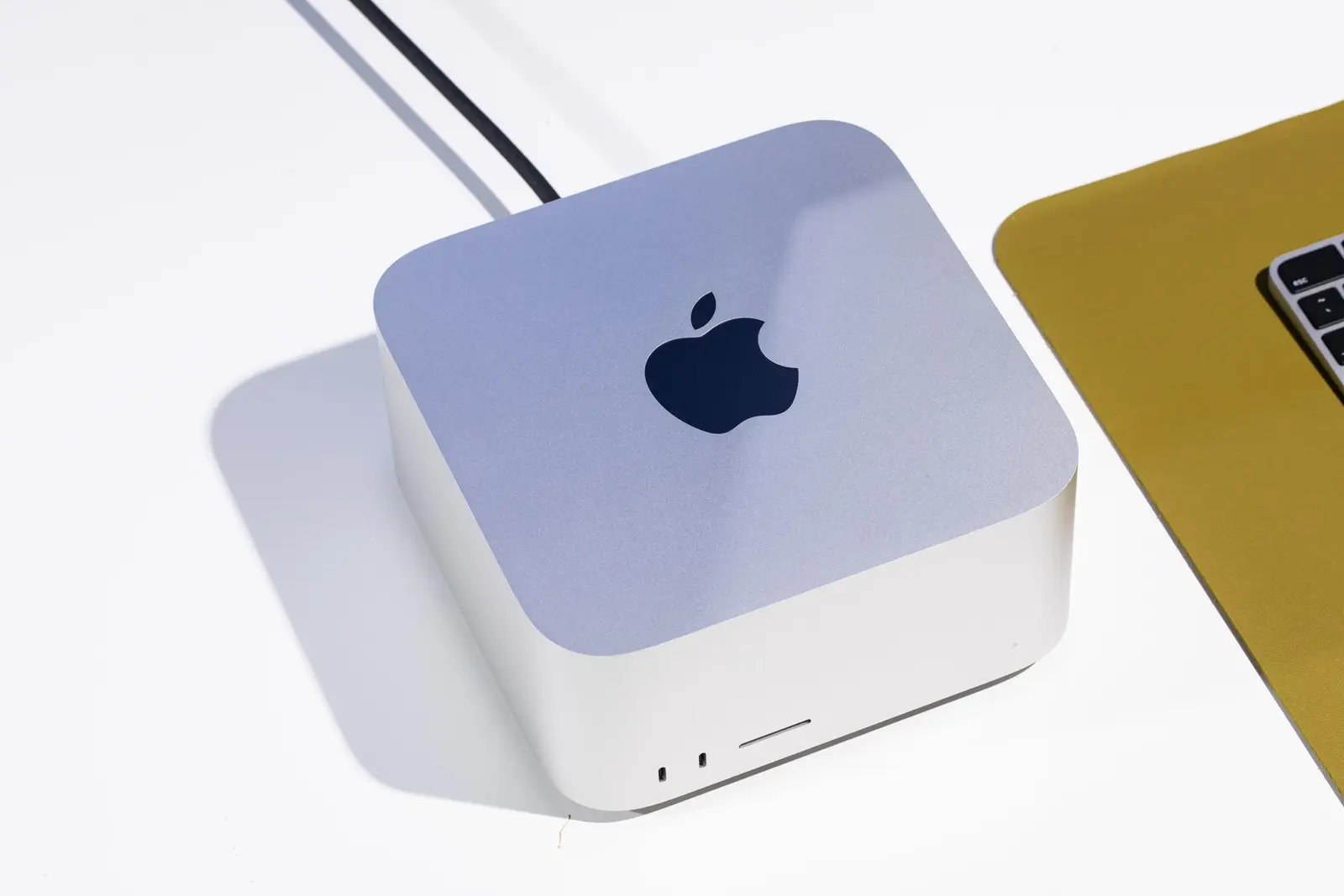
Meta unveiled the Muse Spark Open AI model today, positioning it as the most capable open-weight model developed in the United States to date. The announcement highlights a strategic partnership with Apple to ensure the model runs efficiently on desktop systems powered by Apple’s latest M5 Ultra chips. This collaboration focuses on leveraging Apple’s MLX framework to maximize performance on Mac Studio workstations.
Breaking news
 Town AI Secures $108 Million Series B, Valued at $1 Billion After $55 M Pre‑Series
 Apple Prepares for Major Product Launch Event on October 28
 Apple Releases Release Candidates for watchOS, tvOS and visionOS 27.2
 Apple Limits iPhone Duo and iPhone 18 Pro Max to Reservation-Only Sales in Japan and South Korea
The Muse Spark model is designed to handle complex AI tasks while operating locally on high-end Mac hardware, reducing reliance on cloud-based processing. Meta emphasizes that this is the first model in its category capable of running on two Apple M5 Ultra Mac Studios using the MLX framework, which Apple introduced to streamline machine learning workflows on its silicon. The integration aims to deliver faster inference speeds and lower latency for developers and researchers using Mac-based AI workflows.
What Does This Mean for Developers Using Apple Hardware?
The MLX framework, developed by Apple, allows AI models to run efficiently on its M-series chips by optimizing memory usage and computational throughput. By adapting Muse Spark to work within this environment, Meta and Apple are addressing a key barrier to local AI deployment: hardware-specific performance limitations. This approach enables users to run large models without sacrificing speed or accuracy, particularly beneficial for privacy-sensitive applications.
Developers working within Apple’s ecosystem now have access to a powerful open-weight model that is explicitly tuned for Mac Studio systems. This reduces the need for expensive cloud GPU instances and simplifies workflows for those prioritizing data security or operating in offline environments. The collaboration signals a growing trend of AI companies partnering with hardware vendors to optimize software for specific architectures.
What makes the Muse Spark model different from other open-weight models? Meta claims Muse Spark is the most capable US-developed open-weight model available and the first in its class designed to run on dual M5 Ultra Mac Studios using the MLX framework.
Frequently Asked Questions
Why did Meta choose to partner with Apple for this release? The partnership allows Meta to leverage Apple’s MLX framework and M5 Ultra hardware to demonstrate high-performance local AI execution, targeting users who prefer or require on-device processing.
Will Muse Spark be available on non-Apple systems? The announcement focuses on optimization for Apple’s M5 Ultra Mac Studios with MLX; no details were provided about compatibility or performance on other hardware platforms at this time.
