
How the ‘Super Sensing’ System Operates
Meta’s Reality Labs unveiled a prototype of smart glasses that capture ambient sound at all times and take a photo every few seconds. The device was shown to internal testers in early July 2026, according to a Financial Times report. The prototype is not yet available to the public and remains confined to lab environments. Meta says the hardware is a step toward more immersive augmented‑reality experiences.
Breaking news
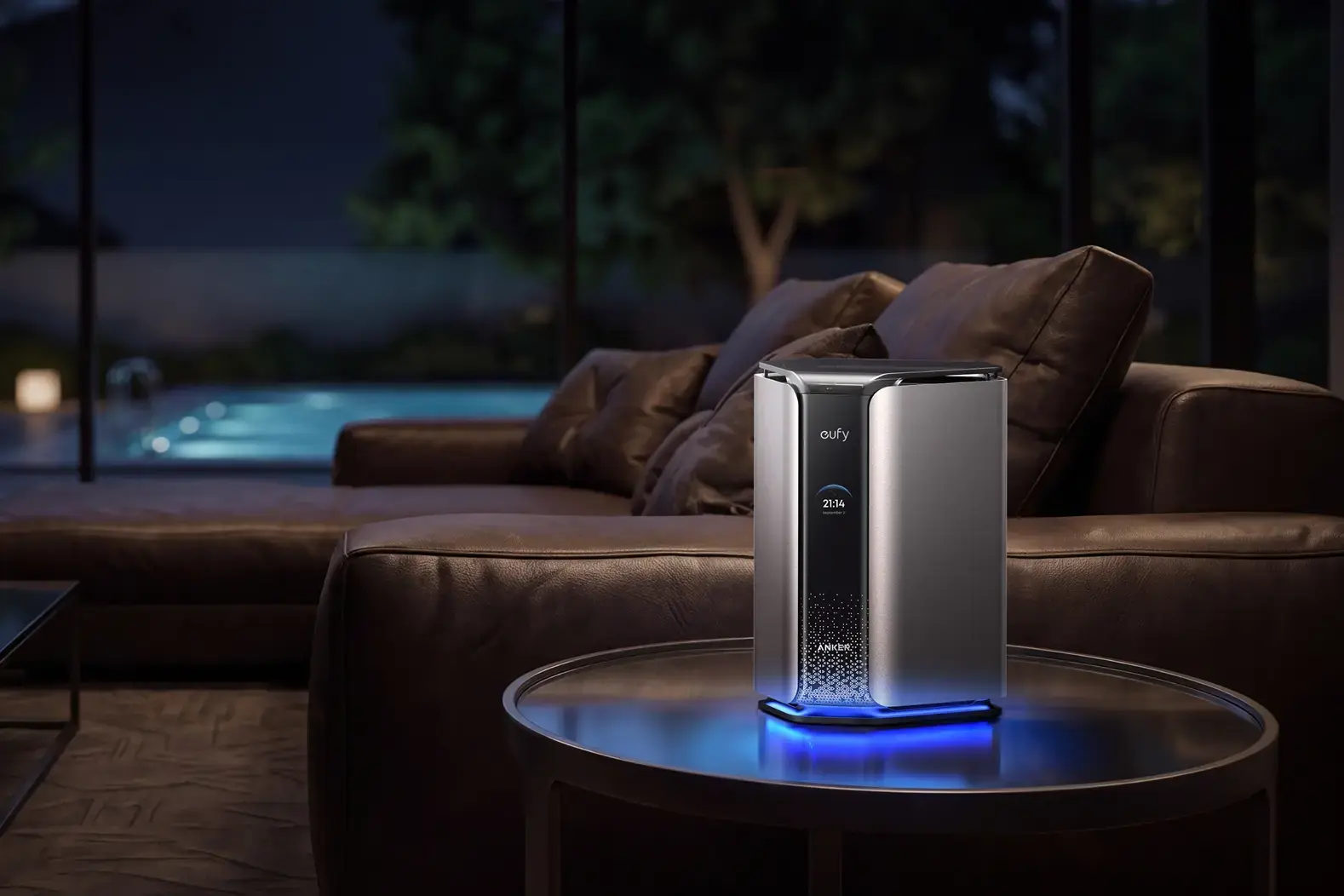 Eufy Unveils Local AI Home Security Ecosystem at IFA
 The Rapid Evolution of Data Center Security in the AI Era
 The High-Voltage Risks Facing Modern AI Data Centers
 Apple’s New CEO Renames Lake Ontario To Lake America In Maps App
The glasses combine multiple cameras, a microphone array, and on‑device AI to fuse visual and audio data. Engineers say the continuous recording helps the system learn real‑world contexts faster than intermittent sampling. The prototype stores raw data locally for a short period before encrypting it for later analysis. Meta claims the approach will improve gesture recognition, spatial mapping, and voice‑activated controls for future AR applications. Critics, however, warn that such pervasive sensing could erode privacy if the technology reaches consumers.
The device houses three outward‑facing lenses that rotate to capture overlapping fields of view. A dedicated chip runs neural‑network models that label objects, detect motion, and tag sounds in real time. Audio is sampled continuously, while the camera shutters fire once every two to three seconds, creating a time‑stamped visual log. All data is compressed and encrypted on the frame, then uploaded to Meta’s secure servers when the glasses connect to Wi‑Fi. Engineers stress that the hardware is designed to process most information locally, reducing the need to transmit raw footage.
Will These Glasses Trigger New Privacy Regulations?
Privacy advocates argue that always‑on audio and frequent photo capture cross a line that current laws do not clearly address. The European Union’s GDPR already requires explicit consent for biometric data, and regulators are watching Meta’s prototype closely. A spokesperson for the U. S. Federal Trade Commission said the agency is monitoring „emerging sensor technologies” for compliance risks. Meta responded that the glasses include a visible indicator when recording is active and that users can disable data collection at any time. The debate highlights a growing tension between innovation and individual rights.
If Meta refines the prototype for commercial release, the company could reshape the AR market with devices that learn from everyday environments. Successful deployment will likely depend on transparent data practices and robust user controls. Industry analysts predict that a regulated rollout could set standards for future wearable tech, while an unchecked launch might provoke backlash and stricter legislation.
Frequently Asked Questions
What kind of data do the glasses collect? The prototype records ambient audio continuously and captures a still image roughly every two to three seconds. It also logs sensor data such as motion and orientation.
Can users turn off the recording features? Meta says the device includes a hardware switch that disables both audio and camera functions. When disabled, the glasses operate without storing any sensory data.
How does Meta protect the data it gathers? All captured information is encrypted on the device, stored temporarily, and uploaded only after the user authorizes a secure Wi‑Fi connection. Meta claims it follows its internal privacy‑by‑design guidelines.