Price Hikes Hit High-End Buyers Hard
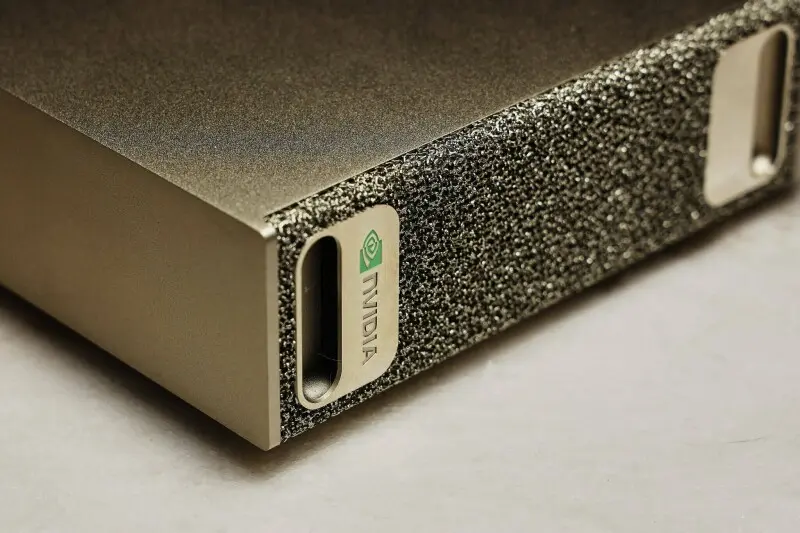
Nvidia has launched a revised version of its DGX Spark desktop AI computer at a lower price point. The new model costs $4,999 but features significantly reduced hardware specifications. This move comes as the company navigates a severe global memory crunch. The original high-spec version remains available but at a substantially higher cost.
Breaking news
 Canonical’s Web Presence Hit by Second DDoS Assault This Year
 Loops AI Secures $3.5 Million to Power a New AI Operating System for E‑Commerce
 Winverse AI Secures Tens of Millions in Seed Funding from DeepSeek and Long‑Z
 Google Adds Pixel 9 Series to Certified Refurbished Store
The new entry-level DGX Spark includes only half the random access memory of its predecessor. It also ships with half the standard storage capacity. These reductions allow Nvidia to lower the initial purchase price for consumers. However, the trade-off limits the amount of data the system can process locally. The company aims to make AI development more accessible despite supply chain pressures.
The financial impact is most severe for users requiring maximum performance. The 128 GB RAM version of the DGX Spark now costs $6,950. This represents a nearly 75 percent increase over its original launch price. Such a dramatic jump reflects the soaring cost of high-bandwidth memory components. Manufacturers are passing these increased production costs directly to end users.
Can Affordability Survive the Supply Crisis?
The memory shortage affects the entire semiconductor industry. Demand for AI hardware has outpaced the available supply of chips. Nvidia must prioritize its most profitable segments during this scarcity. As a result, lower-tier products receive fewer resources and lower specifications. The price disparity between the two models has widened significantly. Buyers now face a difficult choice between affordability and capability.
This pricing strategy signals a shift in Nvidia's product roadmap. The company is no longer able to subsidize high-end configurations. The $4,999 price tag for the reduced model is an attempt to maintain market share. It targets developers who need local AI processing but cannot afford the premium tier. However, the halved storage may hinder complex workflow management. Users might need to purchase additional external drives to compensate.
The situation highlights the fragility of the current AI hardware market. Component shortages are driving up prices across the board. Competitors may struggle to match Nvidia's pricing power in this niche. The market for desktop AI workstations is becoming increasingly stratified. Only those with significant budgets can access full-power local AI capabilities.
The long-term outlook depends on the resolution of the memory shortage. If supply stabilizes, prices may eventually normalize. Until then, consumers should expect continued volatility in hardware costs. Nvidia's decision to cut specs rather than raise the base price further is notable. It suggests a strategy to keep the product line relevant. The success of this approach will depend on buyer acceptance of the trade-offs.
Frequently Asked Questions
How much does the new DGX Spark cost? The new entry-level model is priced at $4,999. The high-performance 128 GB version costs $6,950.
What hardware changes were made to the new model? The new model features half the RAM and half the storage of the previous version. These reductions were necessary to manage production costs during the chip shortage.
Why did the price of the 128 GB version increase? The price jumped nearly 75 percent due to the global memory crunch. Rising costs for high-bandwidth memory components forced the price hike.

