Navigating the Geopolitical Tightrope
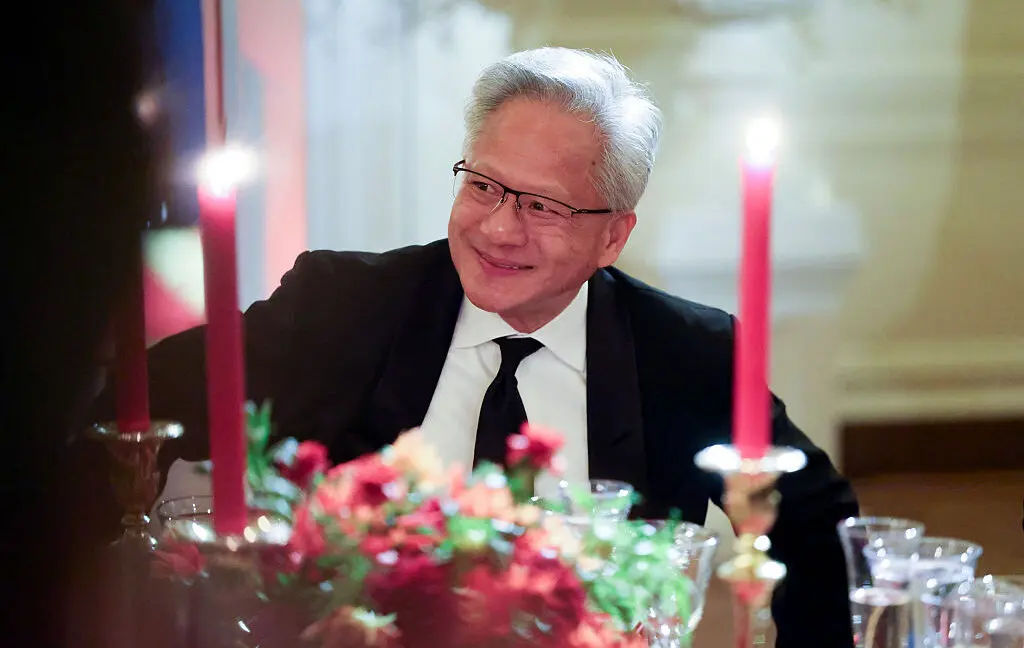
Nvidia is under intense pressure as reports emerge that Beijing may authorize major tech firms like ByteDance and Alibaba to purchase restricted high-end artificial intelligence processors. These developments coincide with growing concerns regarding CEO Jensen Huang’s reported influence within the Trump administration, sparking debates over national security and global trade policy.
Breaking news
 Canonical’s Web Presence Hit by Second DDoS Assault This Year
 Loops AI Secures $3.5 Million to Power a New AI Operating System for E‑Commerce
 Winverse AI Secures Tens of Millions in Seed Funding from DeepSeek and Long‑Z
 Google Adds Pixel 9 Series to Certified Refurbished Store
The potential move by Chinese authorities signals a strategic effort to bypass existing United States export controls. By facilitating acquisitions for industry giants, China aims to bolster its domestic AI capabilities despite Washington’s ongoing efforts to limit the country’s access to advanced computing technology.
Industry analysts are closely monitoring how Nvidia balances its massive revenue streams from China with strict American regulatory requirements. The company has previously modified its product lineup to comply with export rules. However, new reports suggest that the lines between corporate interests and federal oversight are becoming increasingly blurred.
Will Strategic Influence Alter Trade Policy?
Observers point to the close relationship between Nvidia’s leadership and the current presidential administration. Critics argue that this proximity could lead to preferential treatment or exemptions that undermine broader trade sanctions. The situation has placed the chipmaker at the epicenter of a widening technological cold war.
The primary concern remains whether political lobbying can effectively override national security mandates. If Beijing successfully acquires these restricted chips through local intermediaries, the effectiveness of the current export ban will be severely compromised. Such an outcome would likely force the White House to reconsider its current enforcement strategies.
Frequently Asked Questions
Ultimately, the intersection of corporate profitability and geopolitical strategy remains volatile. Investors are wary that any shift in policy could trigger immediate market fluctuations. As the administration weighs its next move, Nvidia’s ability to navigate these competing pressures will define its future in the global marketplace.
Why are Nvidia’s chips restricted in China? The United States restricts high-end AI chips to prevent China from advancing its military and surveillance capabilities. These controls aim to limit the development of sophisticated autonomous weapons and intelligence systems.
What is the significance of the reported influence over the administration? Critics fear that close ties between corporate leaders and government officials may lead to policy loopholes. This could potentially allow restricted technology to reach foreign rivals, undermining national security goals.

