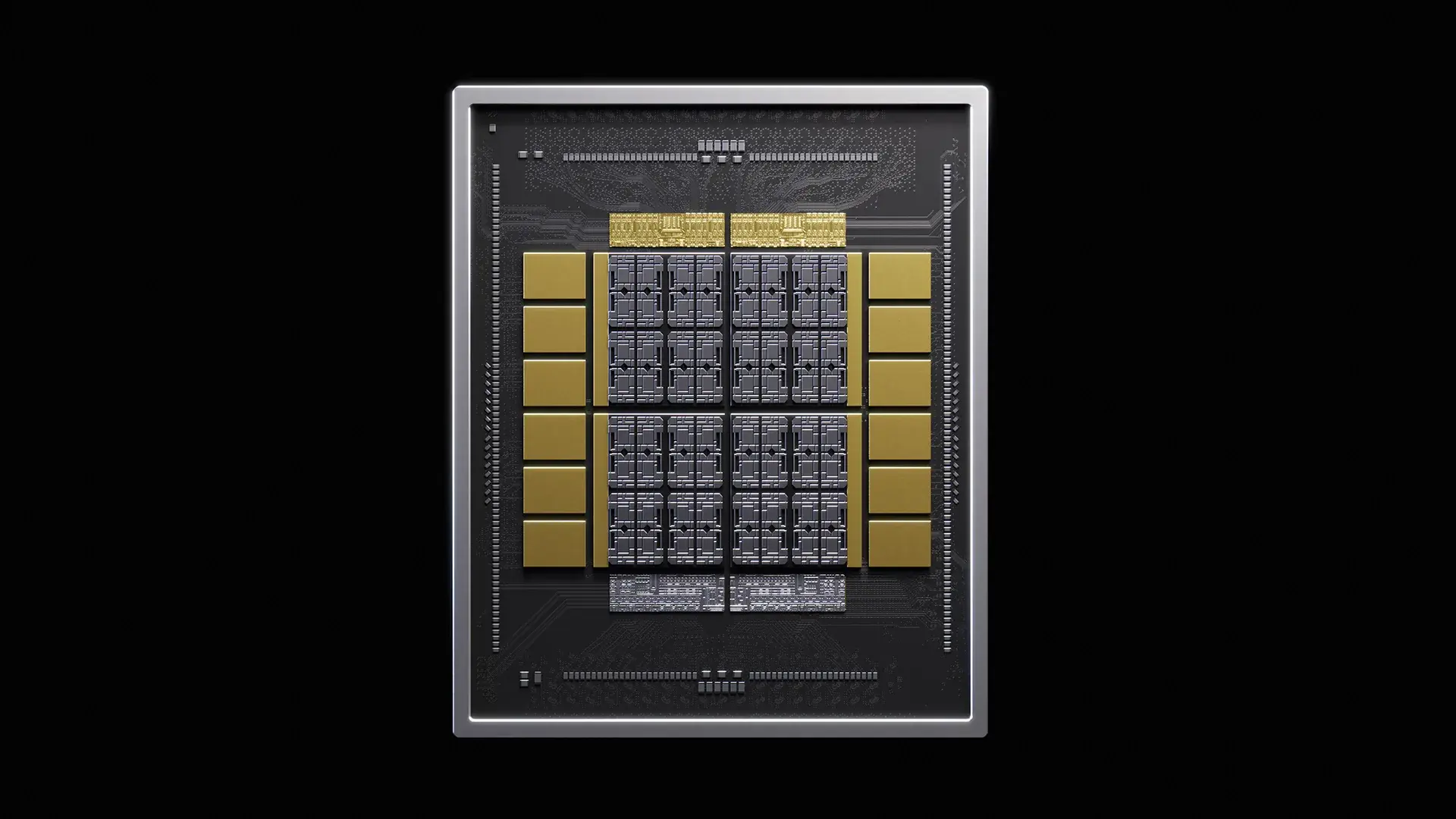
Bridging the Gap Between Custom Chips and Standard Hardware
NVIDIA has introduced NVLink Fusion, a new interconnect technology designed to bridge the gap between standard processors and high-performance AI chips. This launch targets the growing need for massive memory bandwidth in modern data centers. The company aims to solve bottlenecks that currently limit the speed of artificial intelligence training and inference tasks. By connecting diverse hardware components, the system ensures that data flows efficiently across the entire cluster. This move positions NVIDIA to maintain its dominance in the rapidly evolving market of custom AI accelerators.
Breaking news
 Canonical’s Web Presence Hit by Second DDoS Assault This Year
 Loops AI Secures $3.5 Million to Power a New AI Operating System for E‑Commerce
 Winverse AI Secures Tens of Millions in Seed Funding from DeepSeek and Long‑Z
 Google Adds Pixel 9 Series to Certified Refurbished Store
The core challenge facing today’s AI factories is the sheer size of modern language models. These systems require enormous amounts of data to be processed simultaneously. Standard memory interfaces often struggle to keep up with the computational demands of complex As a result, processing units frequently sit idle while waiting for data. NVIDIA’s solution involves integrating High Bandwidth Memory directly into the fabric of the AI infrastructure. This approach allows for faster data transfer rates without adding significant latency. It effectively removes the traditional barriers that slow down large-scale model deployment.
Hyperscalers and AI-native firms are increasingly building their own specialized accelerators, often referred to as XPUs. These custom chips offer specific advantages for particular workloads but often lack the unified ecosystem of major vendors. NVLink Fusion acts as a universal translator between these disparate systems. It enables custom silicon to communicate seamlessly with NVIDIA’s existing GPU architecture. This interoperability is crucial for organizations that want to mix and match hardware components. They can now combine their proprietary accelerators with NVIDIA’s proven networking stack. The result is a more flexible and scalable infrastructure that supports both current and future chip designs. Companies no longer have to choose between a fully integrated vendor lock-in or a fragmented custom build.
How Does High Bandwidth Memory Change Data Center Design?
High Bandwidth Memory is essential for feeding data to compute cores at high speeds. Without it, even the most powerful processors cannot reach their full potential. NVIDIA’s integration of HBM into the NVLink ecosystem creates a dense network of fast data pathways. This density reduces the physical space required for cabling and cooling. It also lowers the energy consumption associated with moving data across long distances. For data center operators, this translates to lower operational costs and higher efficiency. The technology supports the next generation of AI models that rely on real-time It provides the necessary throughput to handle billions of parameters in a single pass.
The introduction of NVLink Fusion signals a shift toward more modular AI infrastructure. Organizations can now design systems that balance cost, performance, and flexibility. This modularity is particularly attractive to startups and large enterprises alike. They can scale their compute resources based on immediate needs rather than long-term forecasts. As AI models continue to grow in complexity, the demand for efficient interconnects will only increase. NVIDIA’s strategy ensures that its technology remains central to this evolution. The company is not just selling chips; it is building the backbone for the next decade of artificial intelligence development. This focus on connectivity over raw power alone may define the future of data center architecture.
Frequently Asked Questions
What is the primary function of NVLink Fusion? NVLink Fusion serves as an interconnect standard that links custom AI accelerators with NVIDIA GPUs. It facilitates high-speed data transfer between different types of hardware within a data center.
Why is High Bandwidth Memory critical for AI factories? HBM provides the necessary data throughput to keep compute units busy during heavy workloads. It prevents idle time caused by slow memory access, which is common in large model training.
Who benefits most from this new technology? Hyperscalers and AI-native companies benefit significantly by using custom chips alongside NVIDIA hardware. This allows them to optimize performance without sacrificing ecosystem compatibility.