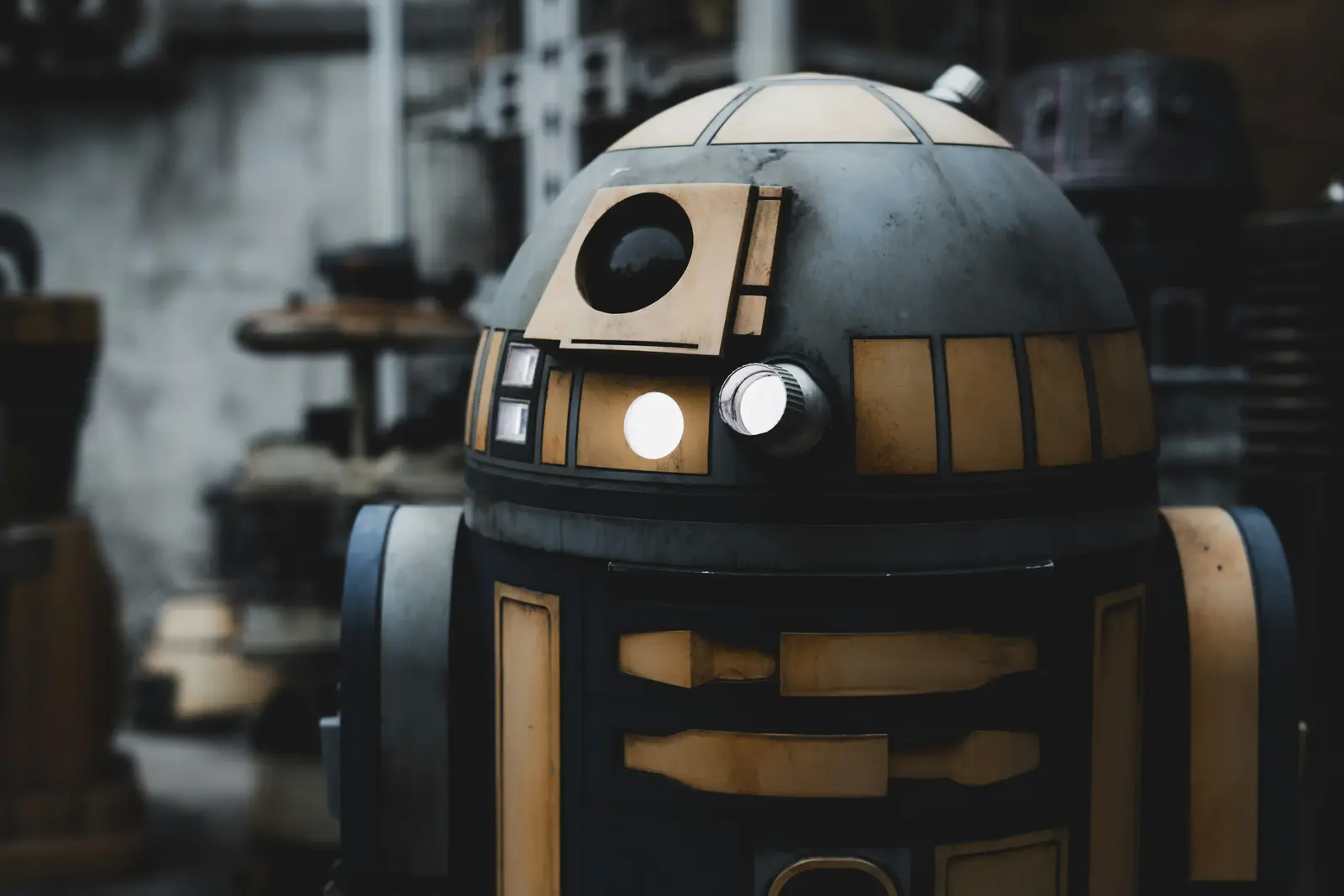
Steel Frame, Silicon Mind: Engineering the Hybrid Bot
Spencer Huang, head of robotics at Nvidia, unveiled a six‑foot‑tall humanoid at the Shanghai International Tech Expo on June 2, 2026. The machine blends a body engineered in China with an AI brain built on Nvidia’s U. S. platforms. It aims to showcase a cross‑border approach to advanced robotics.
Breaking news
 Canonical’s Web Presence Hit by Second DDoS Assault This Year
 Loops AI Secures $3.5 Million to Power a New AI Operating System for E‑Commerce
 Winverse AI Secures Tens of Millions in Seed Funding from DeepSeek and Long‑Z
 Google Adds Pixel 9 Series to Certified Refurbished Store
The robot’s chassis is fabricated from lightweight aluminum alloys sourced from Chinese suppliers. Inside, Nvidia’s latest Jetson processors run sophisticated perception models that enable real‑time object recognition and balance control. Huang says the design was driven by a desire to combine cost‑effective manufacturing with cutting‑edge intelligence. The collaboration reflects growing ties between Chinese hardware firms and U. S. AI developers, a trend accelerated by recent trade‑policy shifts.
The robot’s limbs mimic human musculature, using pneumatic actuators that replicate natural movement. Sensors embedded in the joints feed data to the AI core, allowing the bot to adjust its gait on uneven terrain. „We wanted a platform that could move fluidly in real‑world settings, not just on a lab floor,” Huang explained. The AI stack leverages Nvidia’s Isaac SDK, giving the robot the ability to learn tasks through reinforcement learning. Early tests show the bot can lift 30 kilograms, navigate staircases, and respond to voice commands with sub‑second latency. Its Chinese‑made exterior includes modular panels, making repairs and upgrades straightforward for local manufacturers.
Can This Cross‑Cultural Robot Transform Industry?
Industry analysts see the hybrid robot as a potential game‑changer for logistics and manufacturing. Its ability to operate alongside human workers could reduce labor shortages in factories across Asia. Moreover, the joint development model may set a template for future tech partnerships, balancing cost efficiencies with high‑performance AI. Critics caution that integrating foreign AI hardware could raise security concerns, especially in sensitive sectors. Huang acknowledges the issue, noting that Nvidia’s chips comply with international export regulations and that data processing occurs locally on the device.
If the robot proves reliable at scale, it could accelerate the adoption of autonomous systems in warehouses, construction sites, and even domestic settings. Its success would signal that multinational collaboration can overcome geopolitical friction, delivering tangible benefits to the global economy.
Frequently Asked Questions
What distinguishes this robot from existing humanoids? Its unique blend of a Chinese‑produced body and Nvidia’s American AI stack offers both affordable manufacturing and advanced perception capabilities, a combination rarely seen in current models.
When will the robot be commercially available? Nvidia plans limited pilot deployments with partner firms later this year, with broader market release targeted for 2027 pending performance validation.
Does the robot store user data on external servers? All processing occurs on the device’s onboard hardware; no personal data is transmitted to cloud services unless explicitly configured by the operator.